

The Future of South Asian Journalism
New voices, deeper reporting, and community-first storytelling.
South Asian journalism in Silicon Valley continues to evolve through a new generation of reporters working across community media, public radio, and mainstream outlets. These journalists build on the foundations laid by earlier generations while expanding who is represented, what stories are told, and how journalism serves the public. Their work reflects a commitment to clarity, accountability, and connection, especially at a time when trust and access to information matter more than ever.
Next Generation Spotlight
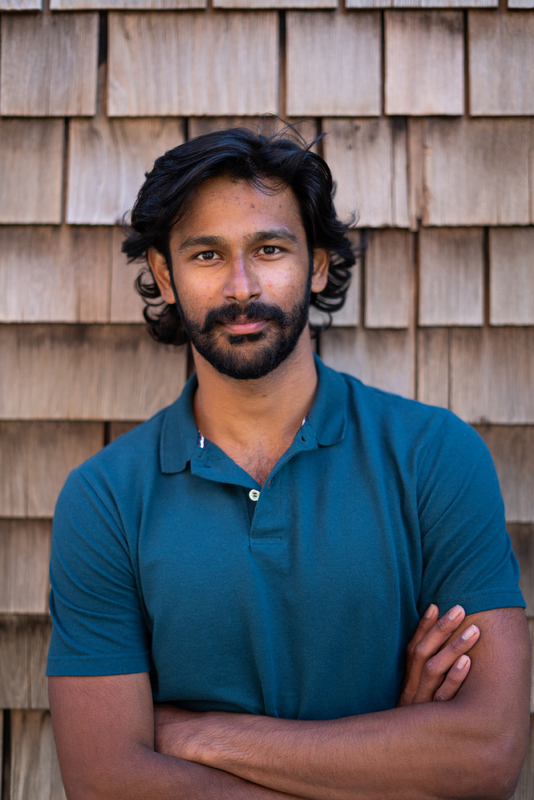
Tanay Gokhale
Bay Area-based reporter and video journalist
Covering immigration systems, Sikh communities, and undocumented South Asian experiences.
“Mainstream media casts as wide a net with its coverage, while community media strengthens it with culturally congruent context wherever necessary.”
Featured work
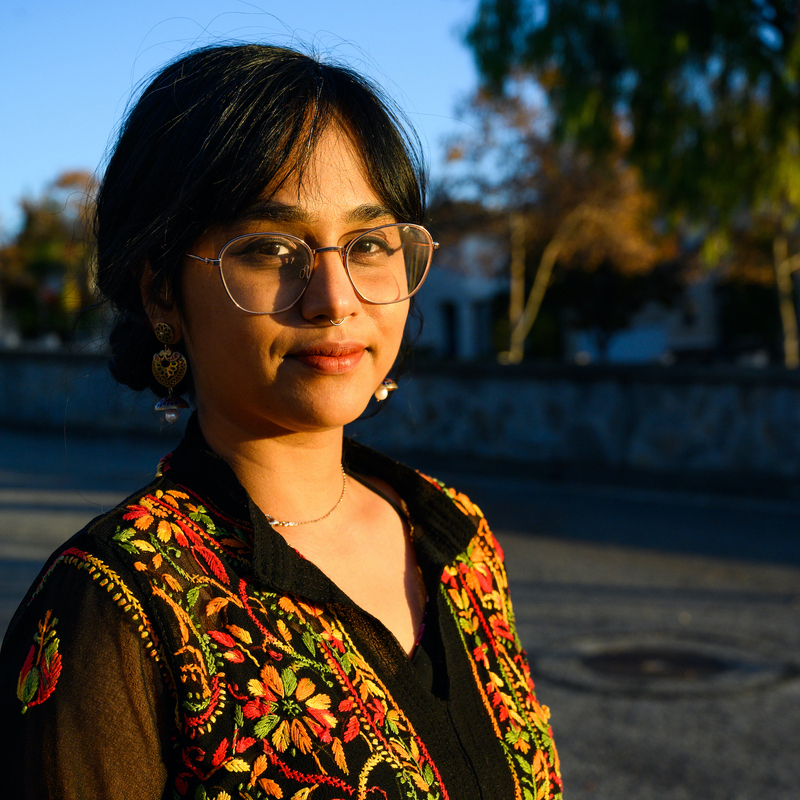
Srishti Prabha
Journalist and audio storyteller, The California Report Magazine (KQED)
Reporting on identity, history, and South Bay community life across audio and digital platforms.
“For a long time, I was taught that journalism meant distancing yourself from community, but I’ve learned that being accountable to the people you report on actually makes the work stronger.”
Featured work
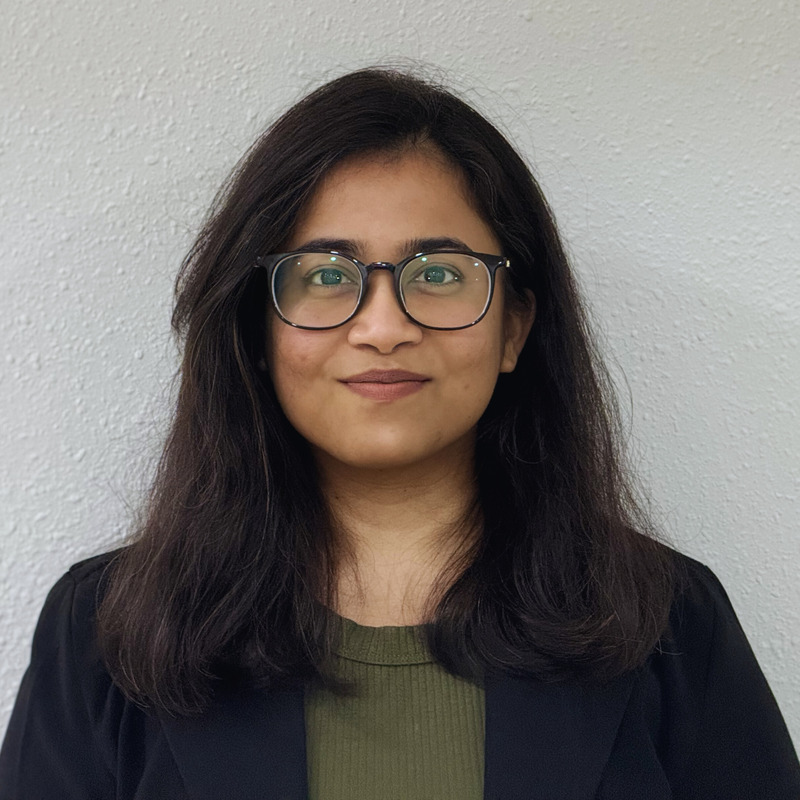
Prachi Singh
Community media journalist and audience engagement editor
Connecting South Asian audiences to reporting rooted in local civic life and diaspora identity.
“Journalism is a service, not just content or a product.”
— Prachi Singh
Featured community engagement work:
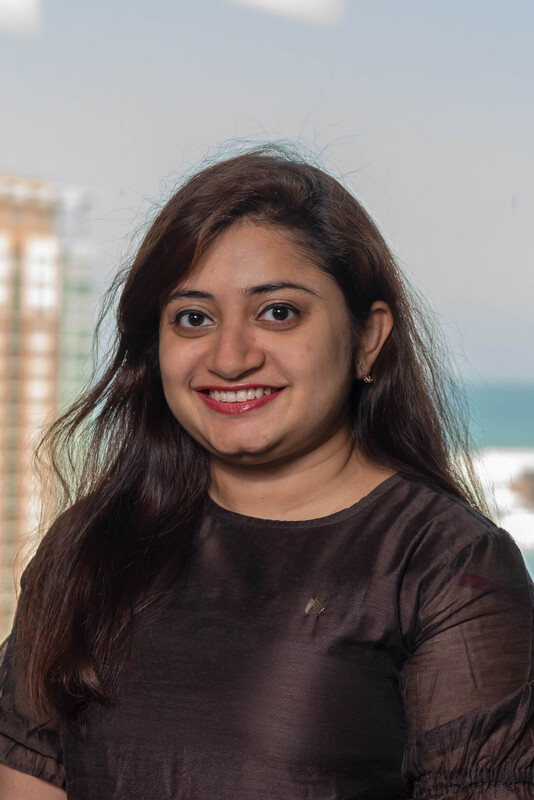
Ankita M. Kumar
Journalist and documentary storyteller
Reporting on migration, displacement, public health, labor, gender, and human rights across digital and international media.
"Journalism is the only way for the marginalized to speak up and get heard."
Wisdom from the Newsroom
Reflections on the field of journalism, the future and advice to the next generation of reporters
South Asian Gen-Zs are going places. They are outgoing and far-reaching, confident individuals who are not scared to reach the sky and beyond. The media can definitely help by amplifying their voices. So whether it is a story of success or failure, this new breed of South Asians are optimistic, but then there are situations which hold them back. I hope the journalists of tomorrow will be instrumental in bringing out those stories… It's time to be a leader, be original.
— Amar D. Gupta, Founder, Siliconeer
Do not forget your identity when you enter a room. The power you hold is in your own voice and your lived experience. If someone asks why that matters, the question to ask back is: why wouldn’t it?
— Srishti Prabha
See your cultural connections and language abilities as an asset. Don’t be afraid to cover your own community.
— Sasha Khokha
Be aware of your own biases as you enter a profession that requires objectivity over all else. Strive for the truth relentlessly so that the Sanskrit phrase "Satyameva Jayate" - Truth Alone Triumphs - doesn't become a casualty to deepfake videos and widespread disinformation even from people and sources you trusted before.
— Arundhati Parmar
Authenticity matters now more than ever. In a world of deep fakes and influencers on the take, journalists must continue to stick to the facts, add context and nuance only you can provide and don't be afraid to tell stories of those with which you may personally disagree. They can often be the most powerful stories of all.
—Ravi Kapur
This job can seem very thankless at times, but it’s a truly meaningful way to engage with the world. Question everything, be fair, and if you ever face a stumbling block, lean on your peers for support.
—Tanay Gokhale
Be creative. Be yourself. People want to see the real you. Go deep into the topic, talk about it, and don’t feel bad if your first article isn’t perfect—there’s potential in every story.—Vansh Gupta
The future of journalism is really about relationships, and shifting away from journalism that just reports on communities toward journalism that’s actually built with them.
—Prachi Singh
When it comes to telling authentic stories, I don’t think it matters whether they’re from within the community or from another community. Authenticity often simply means doing a good job as a journalist, taking copious notes, fact checking and representing people as best you can.
—Anahita Mukherji