

Prachi Singh
Community-centered journalism, listening-first reporting, and the future of South Asian storytelling
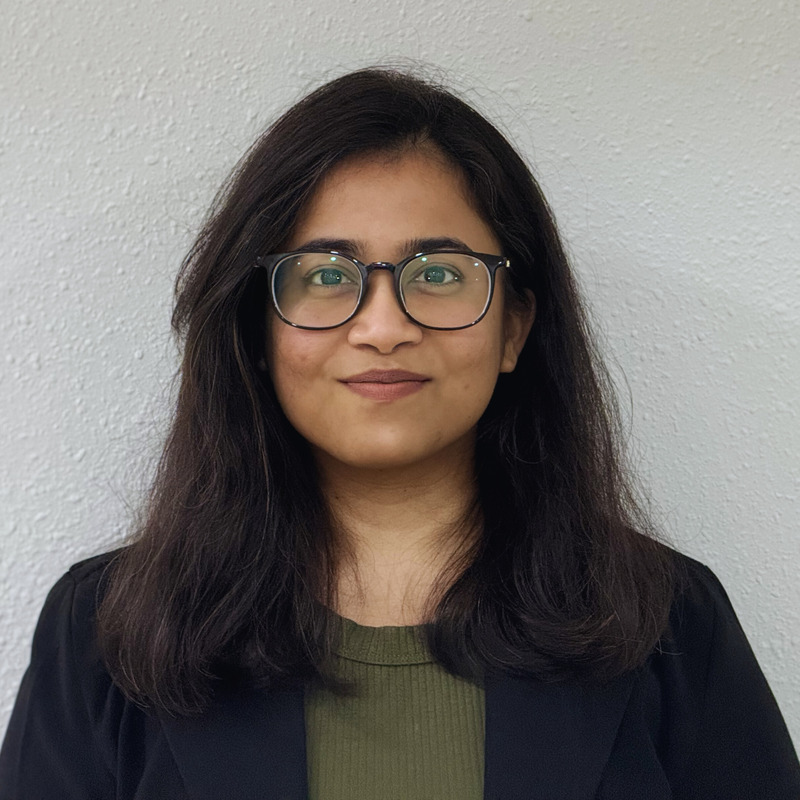
Prachi Singh is a journalist and editor whose work centers South Asian communities through listening-first, relationship-based journalism. She focuses on stories shaped with communities rather than simply reported about them, with particular attention to intergenerational dialogue, everyday lived experiences, and civic life in the Bay Area and beyond.
As an editor at India Currents, Singh has helped guide coverage that prioritizes trust, participation, and accountability, while experimenting with new formats and engagement-driven storytelling. Her reporting and editorial work has appeared across community-based and broader media platforms, reflecting a commitment to nuanced representation that challenges monolithic narratives of South Asian identity. Singh’s work looks toward a future of journalism that is collaborative, ethical, and deeply rooted in the communities it serves.
For me, the future of journalism is really about relationships. When it comes to South Asian community storytelling, that means shifting away from journalism that just reports on communities toward journalism that’s actually built with them.
The future of South Asian journalism
For Prachi, the future of journalism is attentive, participatory, and deeply rooted in community life. She emphasizes reporting that meets people where they already are and makes space for community members to shape coverage, not just consume it.
She describes a future where journalism experiments with new formats, voices, and even emerging tools, while maintaining trust and editorial integrity. At its core, this vision centers journalism as a relationship rather than a product.
Gaps in coverage
Prachi identifies a major gap in how South Asian communities are often portrayed as a single, static group. She stresses that Bay Area South Asian life is shaped by differences in language, religion, caste, class, immigration status, generation, and values.
She also points to the need for coverage that goes beyond festivals, crises, or start-ups and instead reflects everyday lived experiences such as caregiving, mental health, work stress, and climate anxiety. These are the stories that help communities see themselves fully and honestly.
Advice for emerging journalists
Prachi encourages young journalists to slow down and listen before chasing headlines. She emphasizes building trust before building stories and staying humble about the diversity of South Asian experiences.
She also urges journalists to work across formats while grounding their work in strong research, reporting, and ethics, and to remember that journalism is ultimately a service.
Journalism is a service, not just content or a product. Ask yourself how a story actually helps someone navigate their life, their systems, or their sense of belonging.
Hopes and concerns
Prachi expresses concern about burnout, financial instability, misinformation, and the pressure for speed replacing depth in journalism today. She also points to the emotional and safety risks journalists increasingly face.
At the same time, she finds hope in a new generation of journalists who are values-driven, focused on representation, accountability, and care. She believes sustainable pathways, mentorship, and newsroom cultures rooted in compassion are essential for the future of community journalism.
Supporting community journalism
Prachi describes community journalism as shared infrastructure, similar to roads or schools. She argues that it requires ongoing care and investment, not just attention during moments of crisis.
She points to libraries, community centers, universities, and local institutions as key partners in sustaining journalism through listening circles, story clinics, newsroom-in-residence programs, and funding for deep engagement work.
Editor Showcase:
India Currents' Community Engagement Efforts
Community Listening
Award-Winning Voter Education Efforts
Connecting with Next-Gen Indian Americans
-
rooted.now TikTok account