Black Spartans (1907-1948)
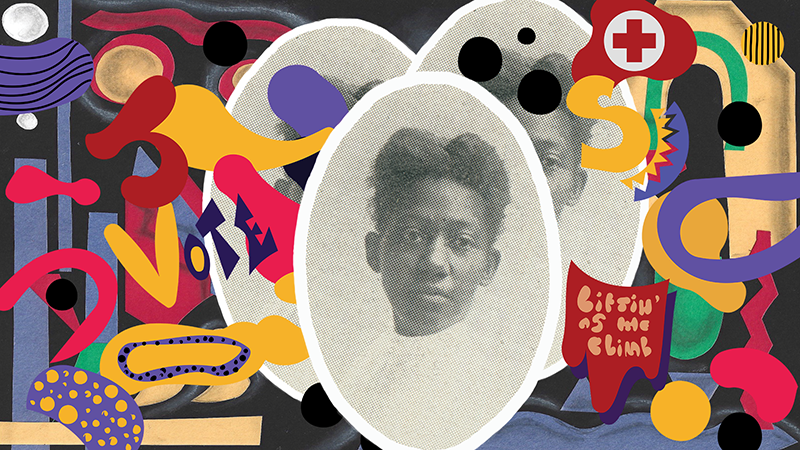 Lucy Turner
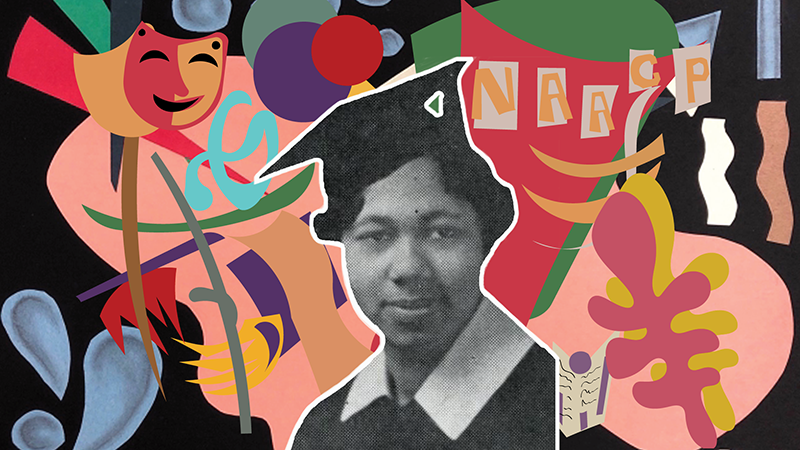 Faricita Hall
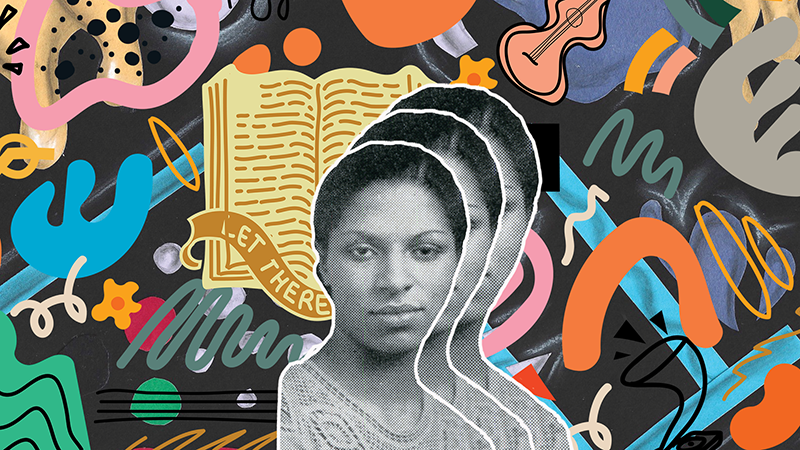 Henrietta Harris
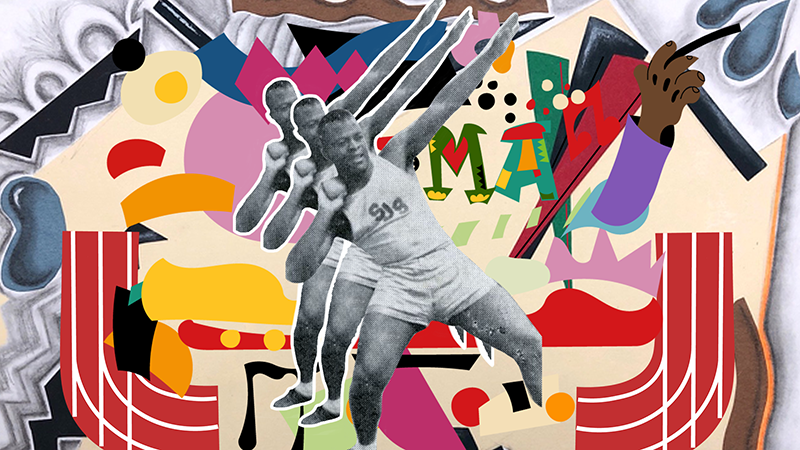 Douglas Kinnard
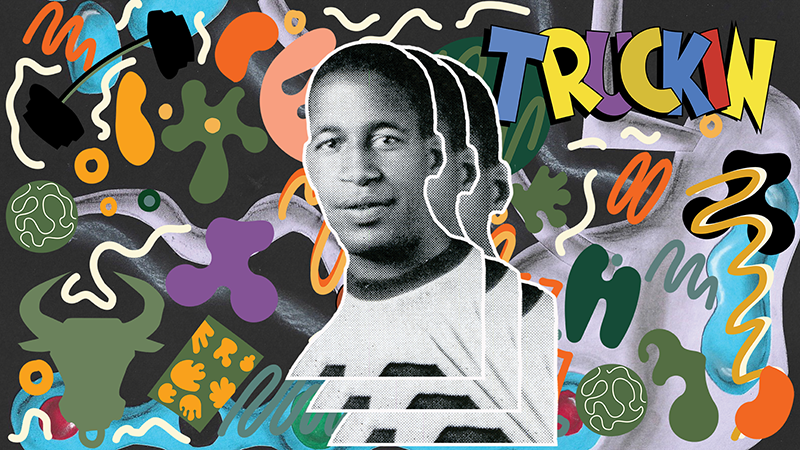 William Lewis
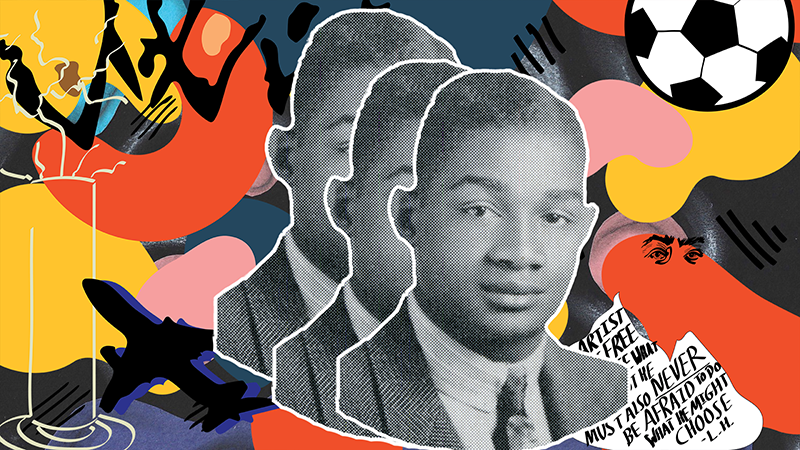 William Moulden
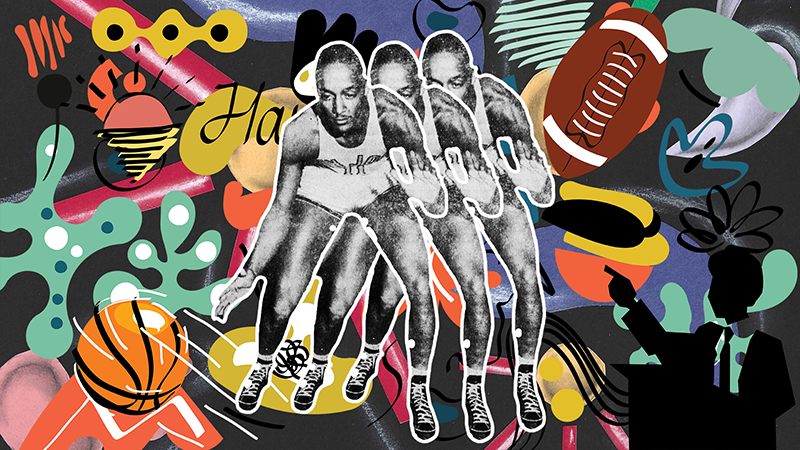 Lloyd Thomas
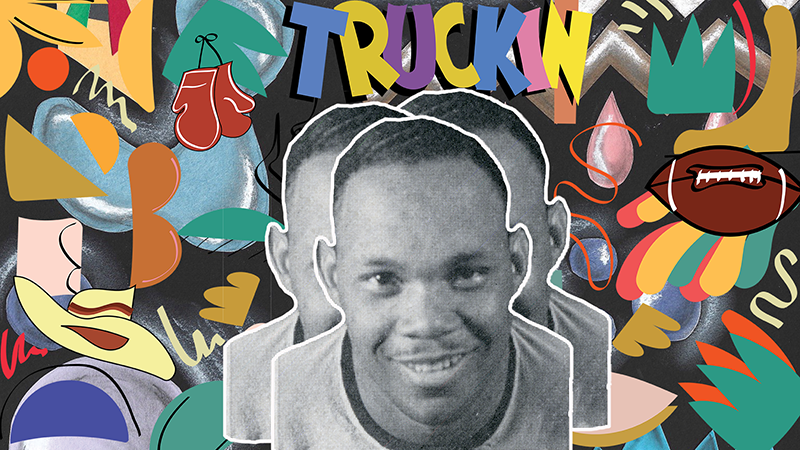 Don Presley
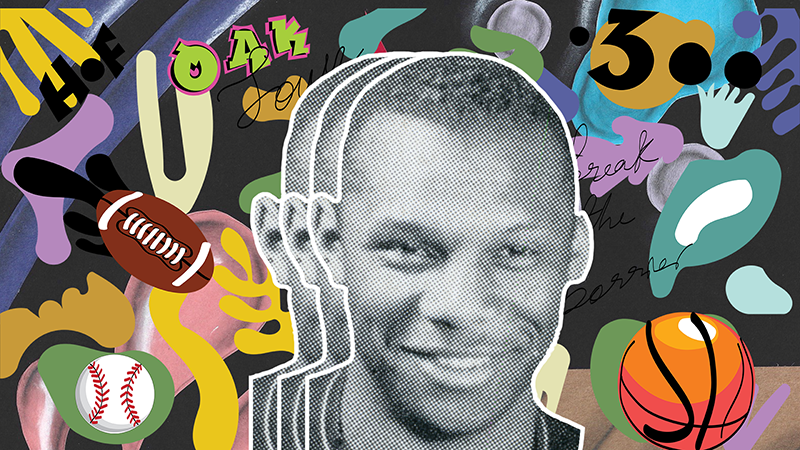 John Allen
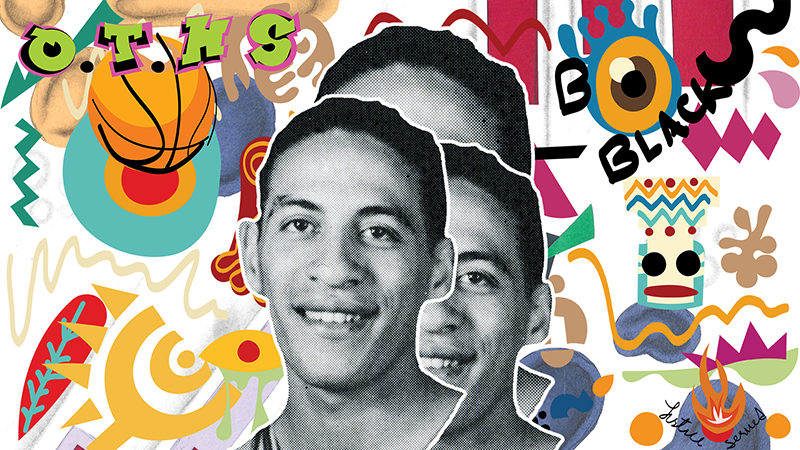 Ernie Allen
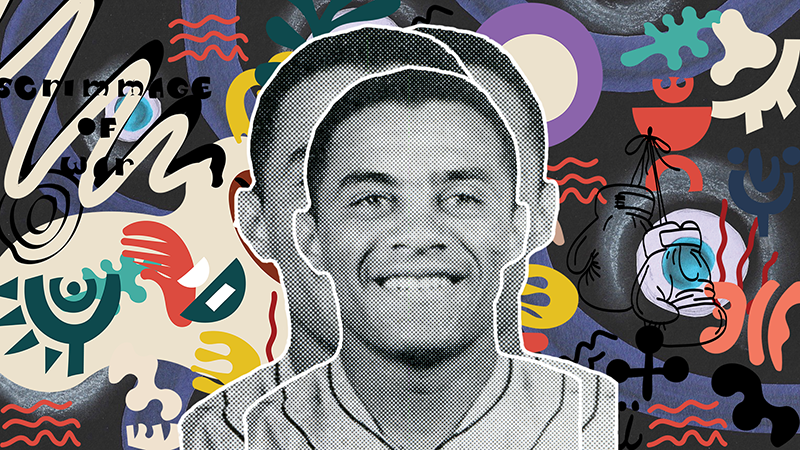 Aubrey Minter
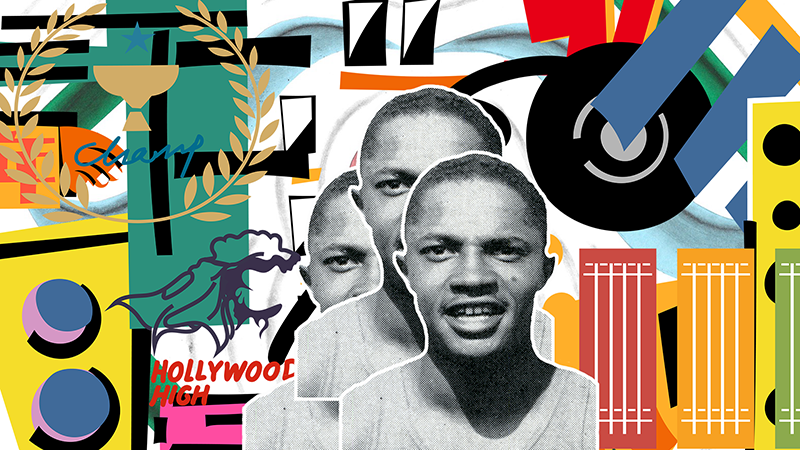 Ralph Kaufman
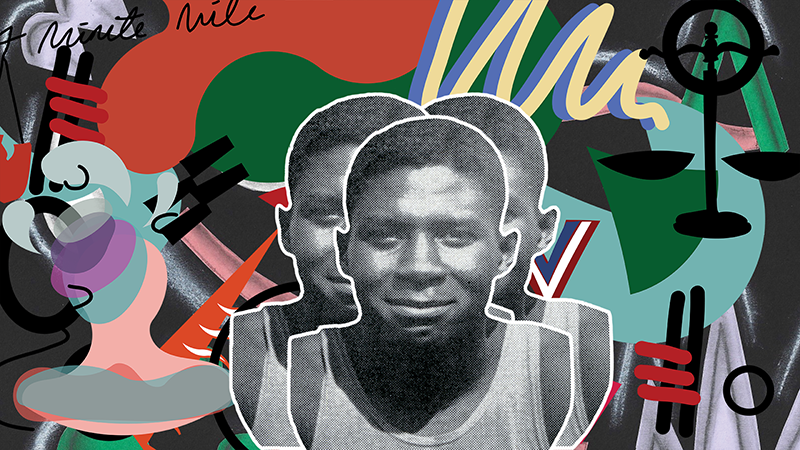 Thelno Knowles
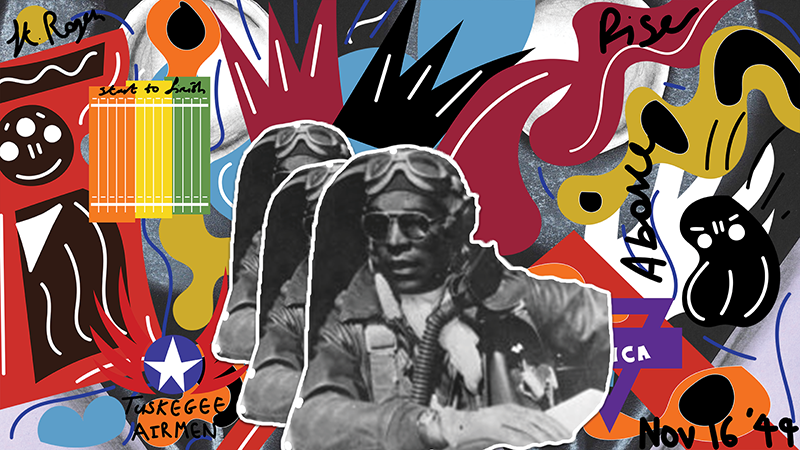 Roger Romine
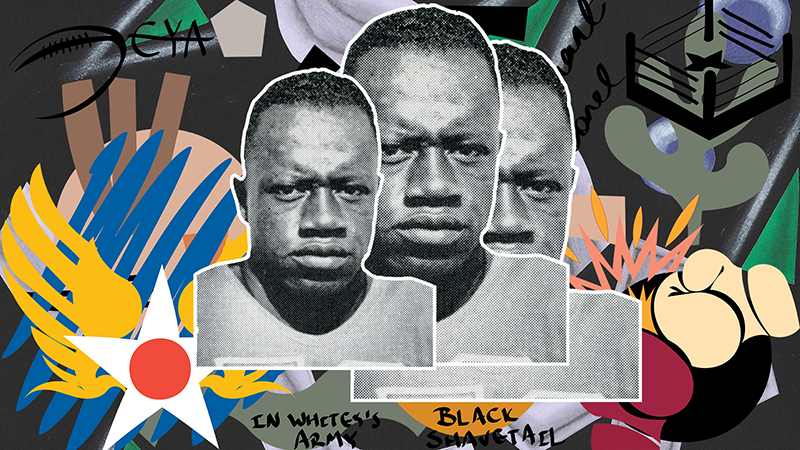 Edward Homer Soulds
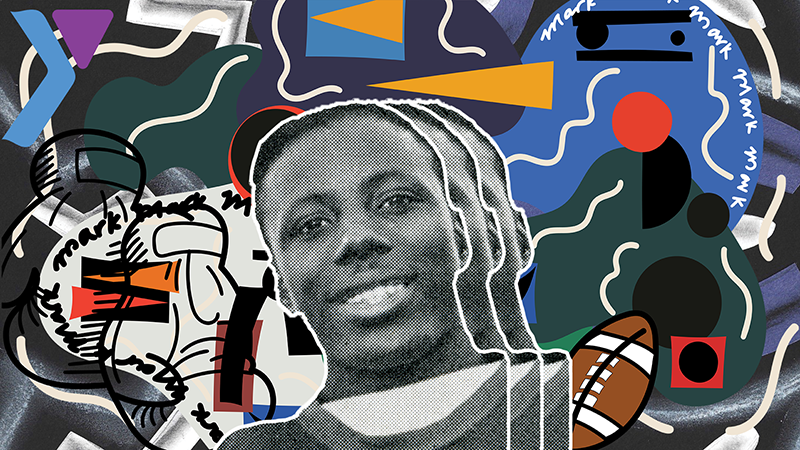 Mark Courts
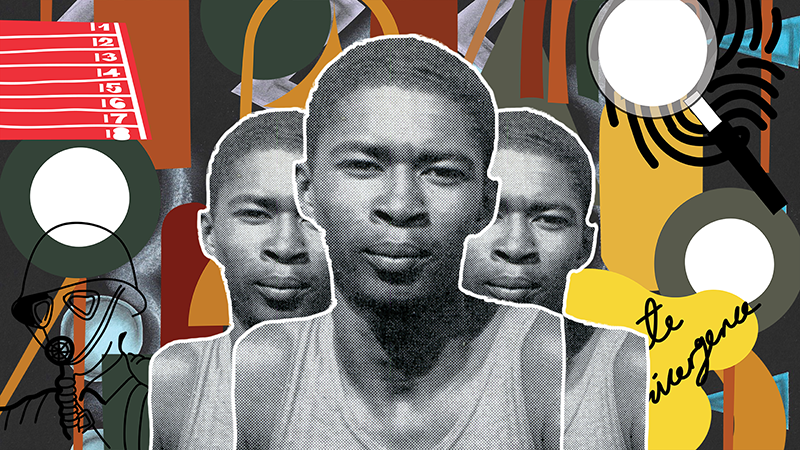 Irving Smith
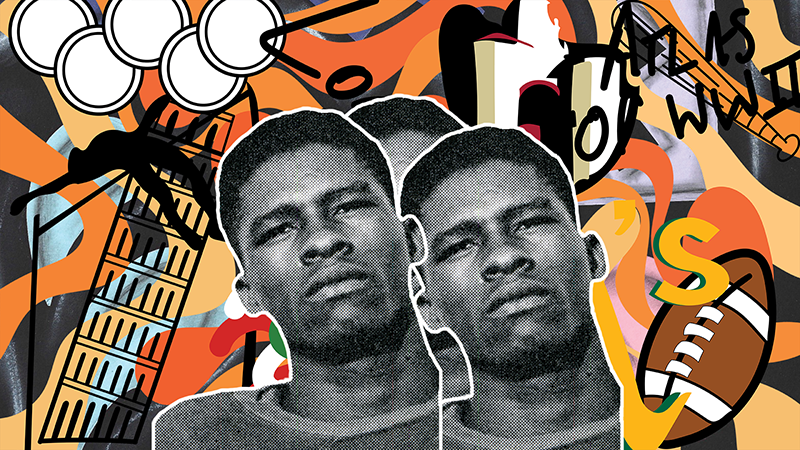 Willie Steele
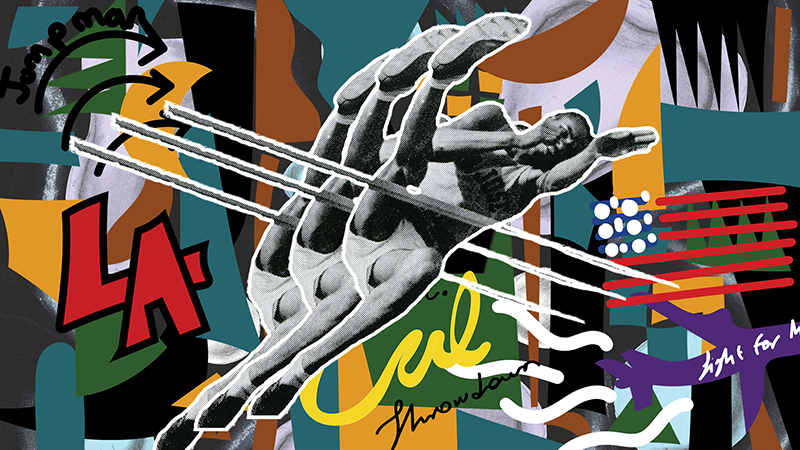 Hal Capers
Exhibit Curators Statement
"Black Spartans (1907-1948) "represents ongoing research in San José State University Special Collections & Archives identifying documentation of Black experiences throughout SJSU history.
Much of the information we have comes from the Spartan Daily student newspaper and the La Torre yearbooks. With too few exceptions, Black Spartans’ stories are not told in their own words but from the perspectives of their majority white classmates. This is reflected in the language and focus of the articles. We invite you to read critically.
The 19 Black Spartans featured in this exhibit pursued their educational goals while contending with institutionalized racism and other major crises of the 20th century: two World Wars, the influenza pandemic of 1918, and polio. Locally, “the deed to virtually every home in San Jose” included restrictions against Black and Asian residents known as “restrictive covenants” (Spartan Daily, February 16, 1948, page 2). On campus, blackface and minstrel shows were a regular part of student events.
"Black Spartans (1907-1948) " is an invitation to the community to join us in surfacing these stories, ensuring these histories are preserved and presented in a way that honors these students’ lives. Contact us at special.collections@sjsu.edu to participate.

Carli V. Lowe
University Archivist

Kate Steffens
Special Collections Librarian
Artist Statement
Yeab Kebede
'22 Digital Media Arts
The "Black Spartans (1907-1948) "exhibition is a homage to Black culture and history at San José State University and the Bay Area at large. Until recently, the significance of Black bodies in Bay Area history (as well as U.S. history) was overlooked. Unless it was associated with the struggles of civil rights leaders, athletes, or celebrity-personas, the story of a graduate from a state school wasn’t valued because we weren’t part of the mainstream culture. As a Black Spartan myself, I was deeply connected to these individuals that started out just like me. I saw a reflection of myself and my community throughout the process of making these 19 mixed media portraits and came to realize how important it is to know your history because it becomes a catalyst for knowing who you are.
My work explores the intricacy of identity and the role culture, tradition, and history play. These portraits are embodiments of our Black Spartans, they are visual representations of the colorful and captivating lives they led. Through this work, I hope to influence other artists and individuals to take part in researching and finding out the infinite layers of what it means to be Black. Our history is beyond our struggle. We are the blueprint.