
Intangible Cultural Values
Intangible cultural values refer to the shared beliefs, traditions, attitudes, and ways of interpreting the world that are passed down through social practices, rituals, and everyday interactions rather than through formal instruction or written rules. These values form an underlying framework through which cultural communities understand relationships, identity, knowledge, and appropriate behavior. Because they are learned implicitly through participation in cultural life, they are familiar and accepted as the normal way.
Intangible cultural values become visible in art education through classroom practices that connect artistic learning with cultural meaning. In Taiwan, lessons in calligraphy, color symbolism, puppet traditions, and using augmented reality to reinterpret historical paintings demonstrates how cultural values such as continuity with tradition and collective identity are communicated implicitly through artistic processes rather than explicit instruction.
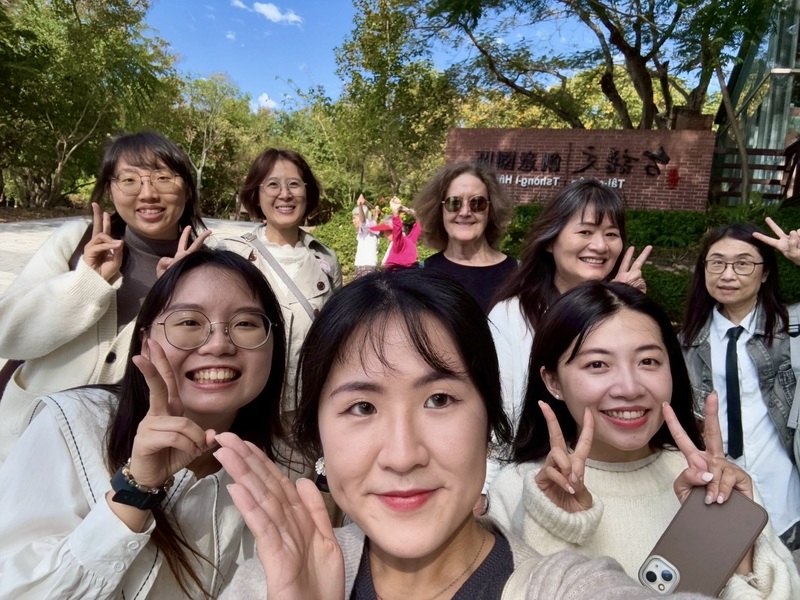
Intangible cultural values are not seen in what people make, but in how they live and relate to one another.
Art education revealed the unseen beliefs and ways of understanding that shape everyday life
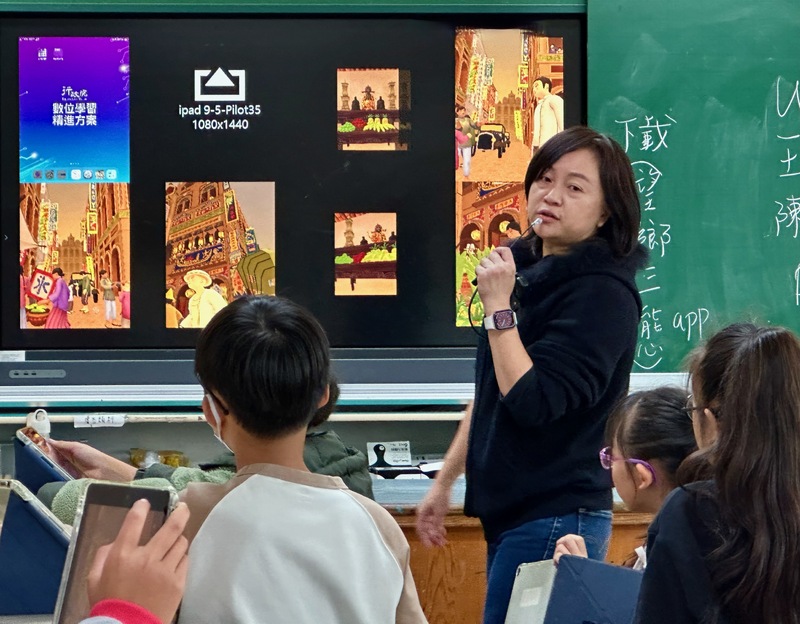
The Cultural Values that Became Visible During the 2025-26 Fieldwork
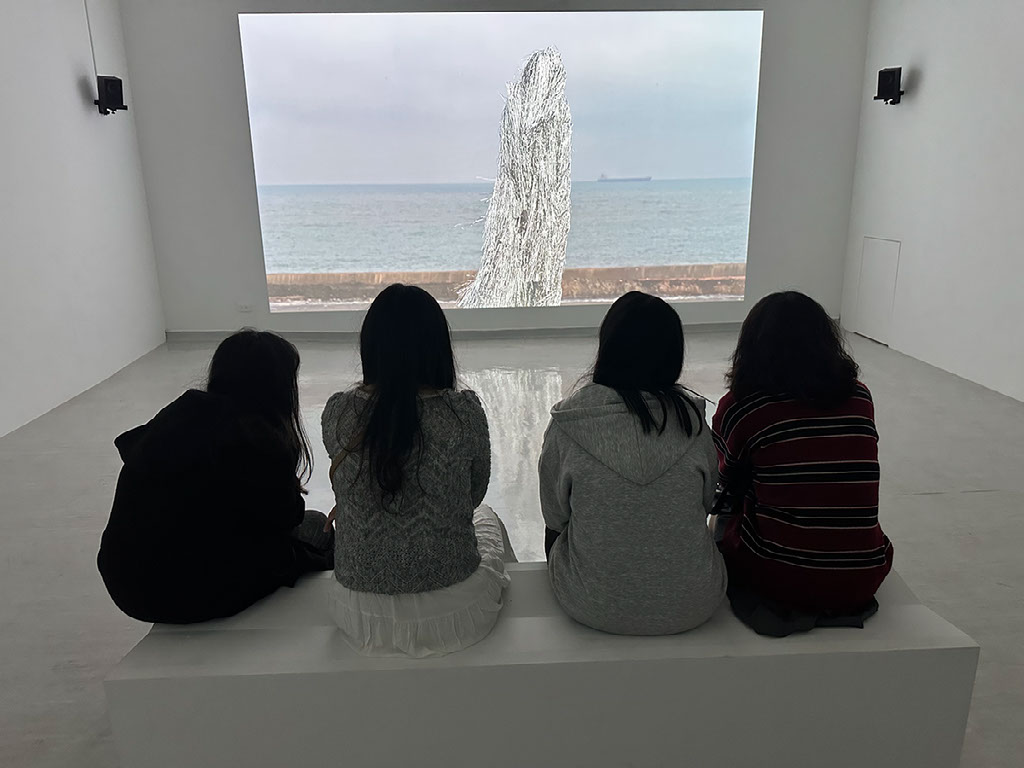 Putting People First: The Value for Human Interaction
 Indirect Communication, Ritual, and Formality: The Value of Relationship
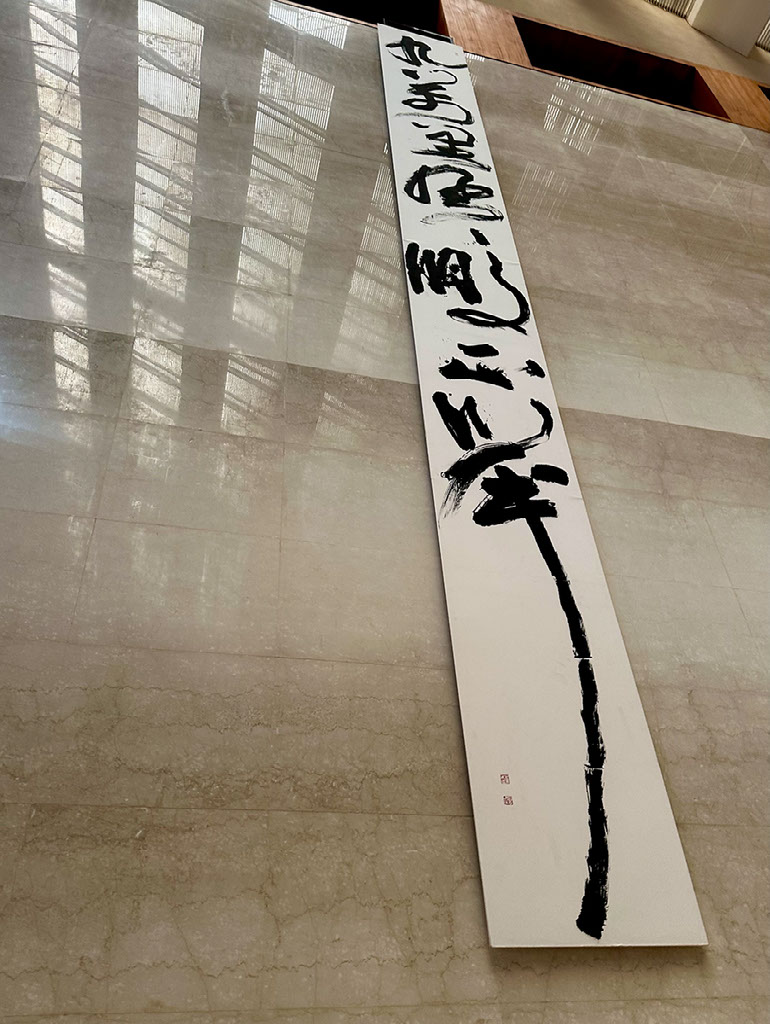 Continuity with Tradition & the Past
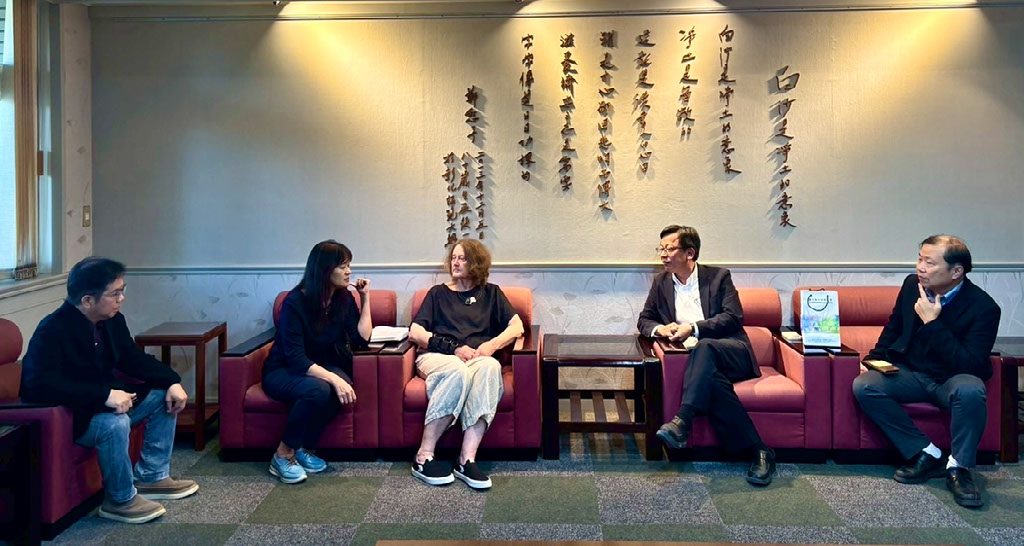 Respect for Social Order and Social Roles
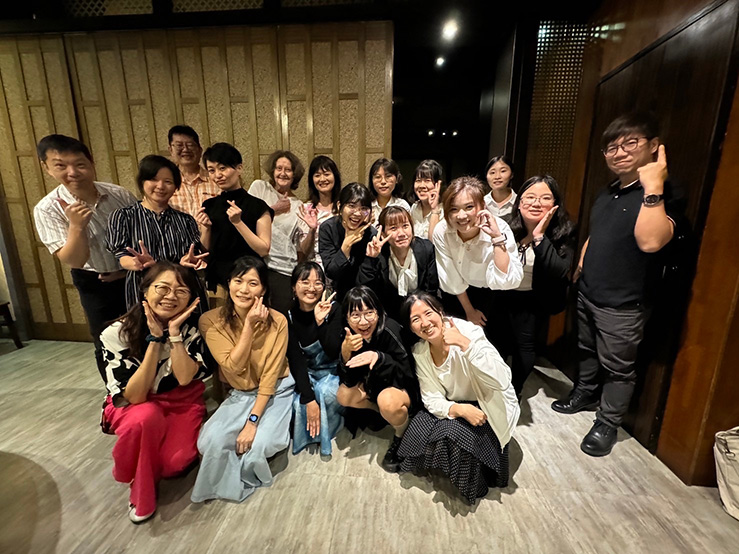 Collective Identity: The Value for Identity as Relational and Embedded within Community