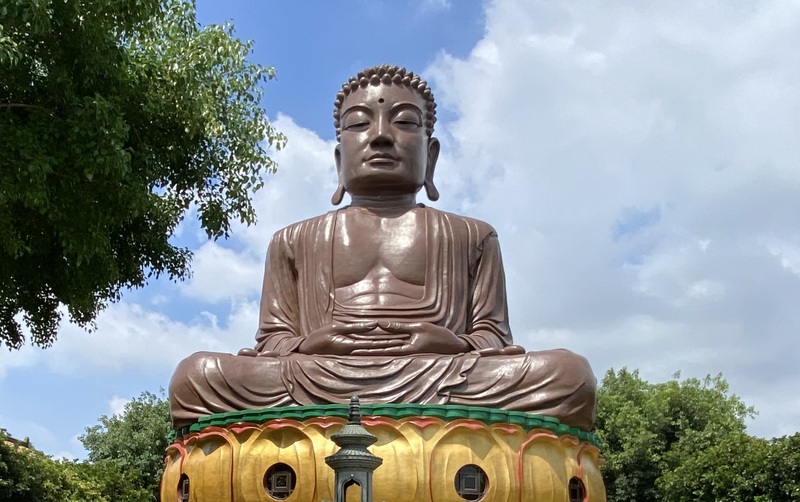
How Art Integrates into Life: A Taiwanese Perspective
- What counts as art depends on how people use it and why it matters to them, not just what it looks like.
- Art shapes how people relate to one another. It is not confined to museums, galleries, or designated “creative” spaces. It is woven into daily rhythms, civic structures, educational practices, spiritual life, and interpersonal exchange.
- Aesthetics function not only as ornament, but as a cultural language, a language that communicates values such as continuity with tradition, respect for social order, collective identity, and putting people first.
Drawing from classroom observations, museum visits, formal meetings, festivals, and informal exchanges documented in the Taiwan 2025 Field Notes, a pattern emerged of art operating as a lived philosophy and revealing cultural values that are rarely stated directly but are embedded in everyday practices and spaces.
One of the most striking features of Taiwanese art education is its integration of history and lineage into contemporary practice. Lessons rarely isolate technique from tradition. Whether students were studying color theory, creating memes, working with puppetry, or using augmented reality to enter classical paintings, instruction situated each activity within a historical arc.
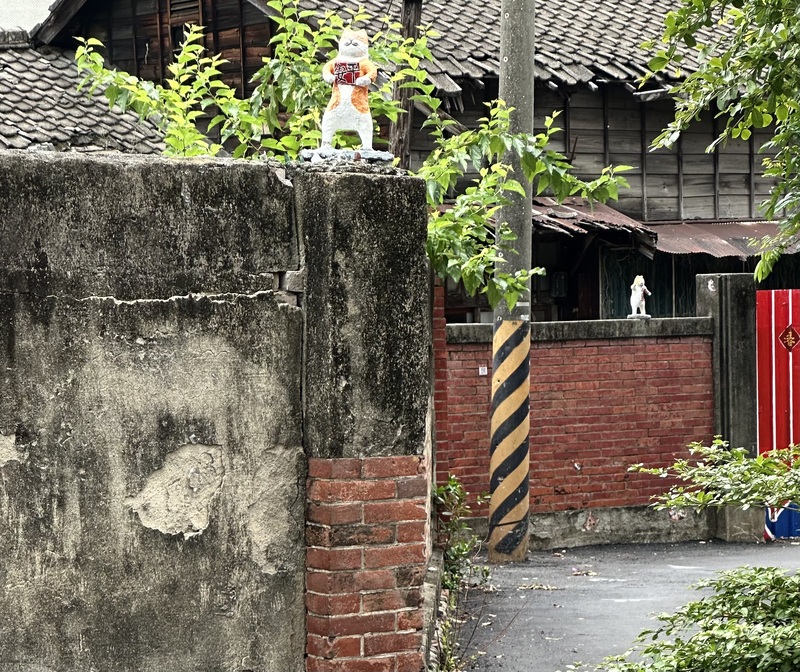
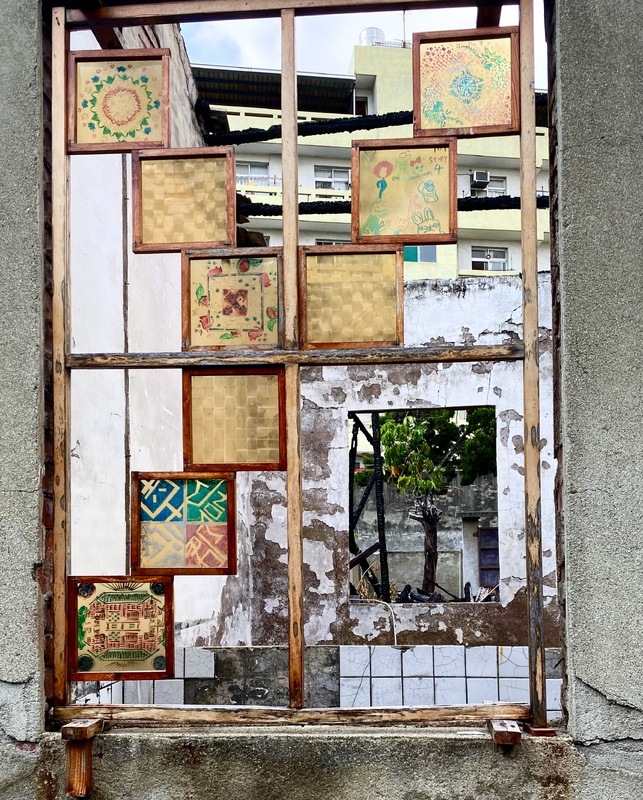
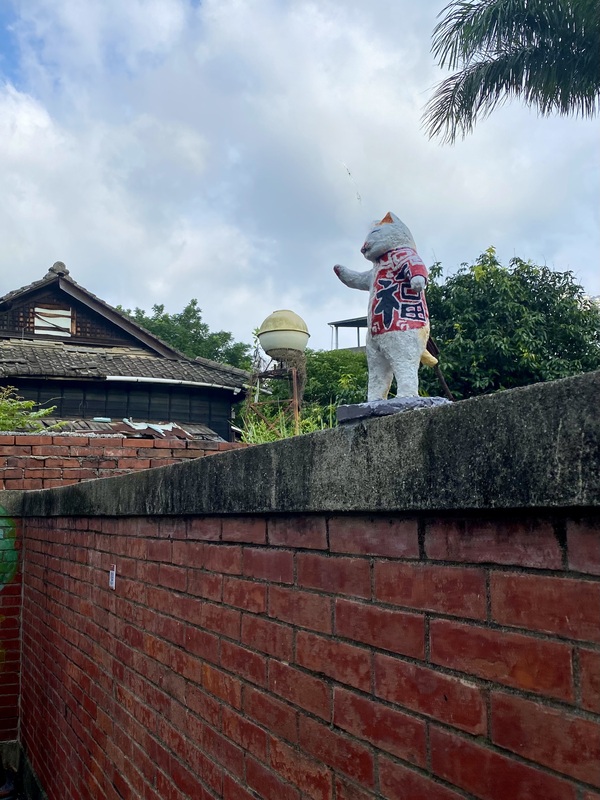
Art students transformed this historic public space into an art experience.
In Taiwan, art is not separate from life. It is part of how people live, communicate and connect—found in classrooms, shared meals, and cultural traditions. Art becomes a way of understanding the world.
Across cultures, art shapes meaning, identity and shared experiences.
Cultural values such as collective identity, indirect communication (harmony), respect for the social order (learning), and valuing human interaction over time (imagination and play) are often transmitted implicitly through educational environments and artistic design rather than through direct instruction.
Art curriculum and visual environments teach people how to see and interpret the world.
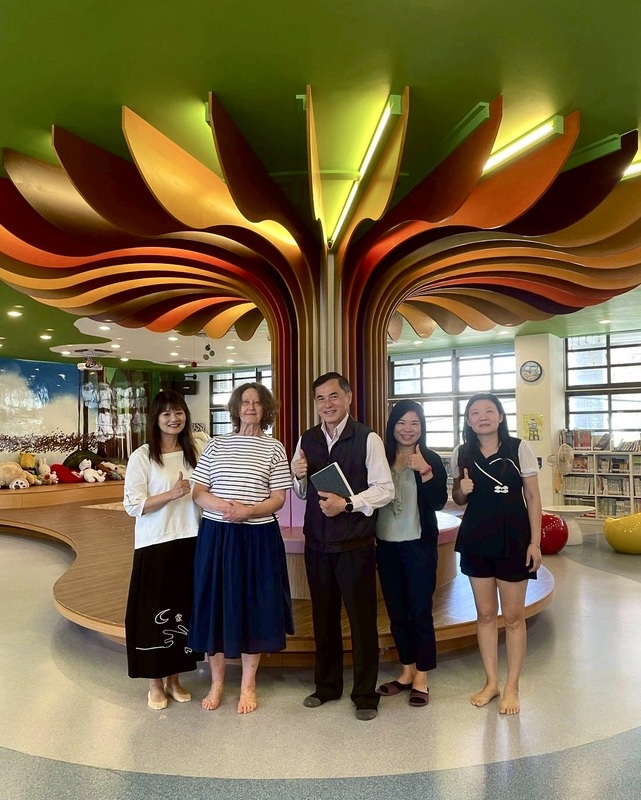
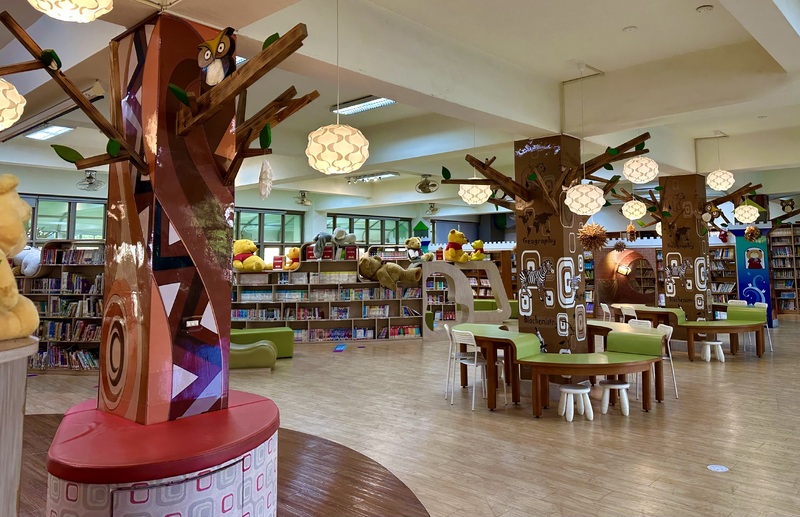
Sometimes the deepest learning happens when nothing appears to be happening.
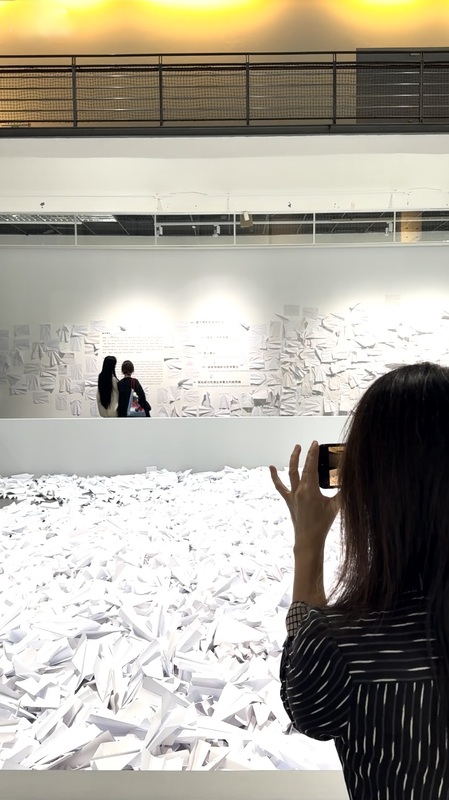
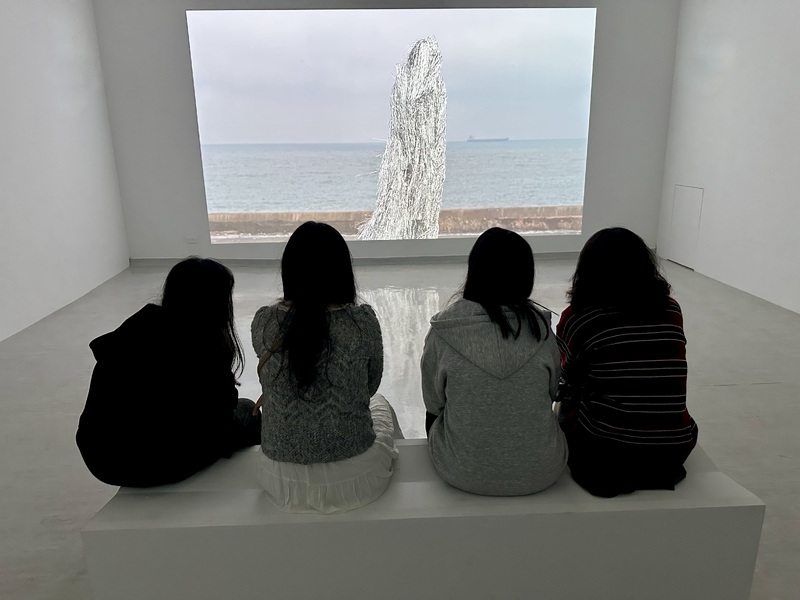
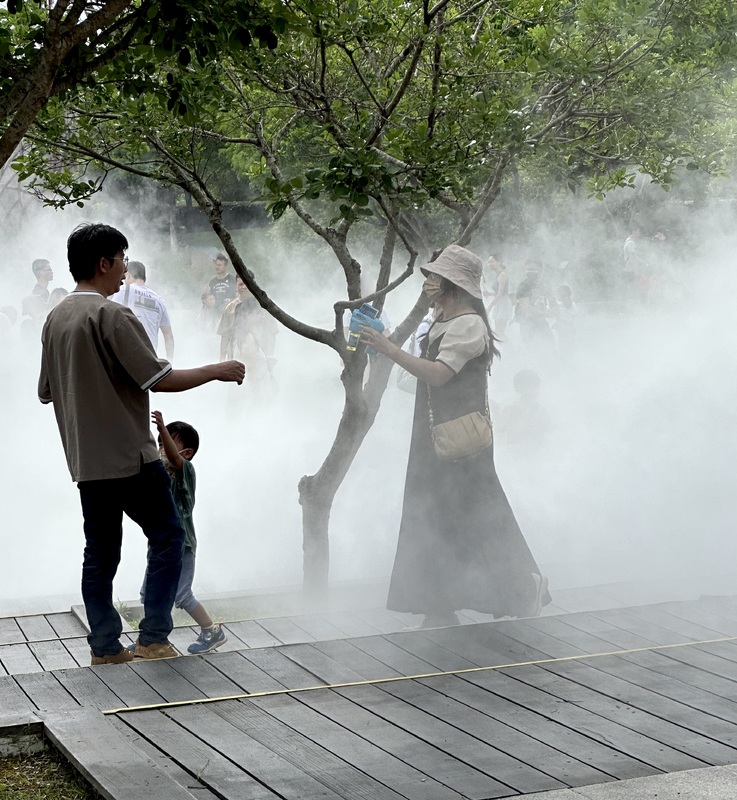
In Taiwan, art integrates into life by preserving memory and reinterpreting it.
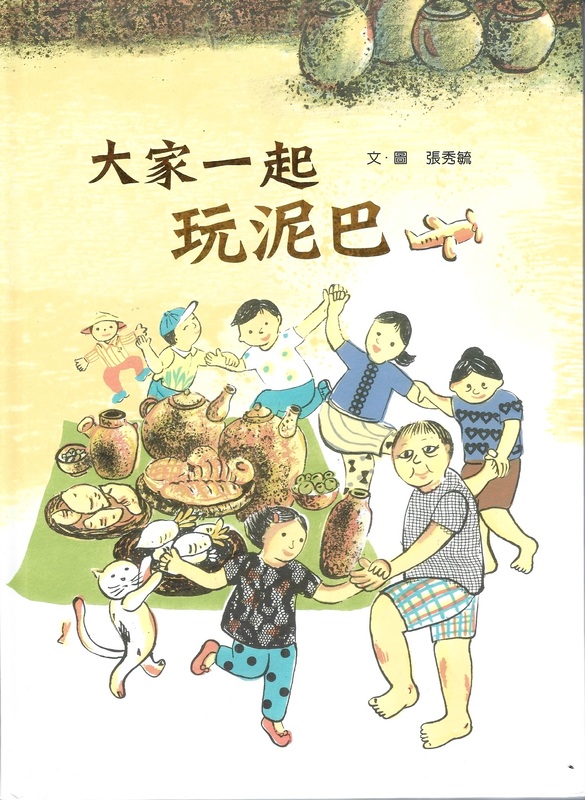
Playing with Clay
by Zhang Xiuyu
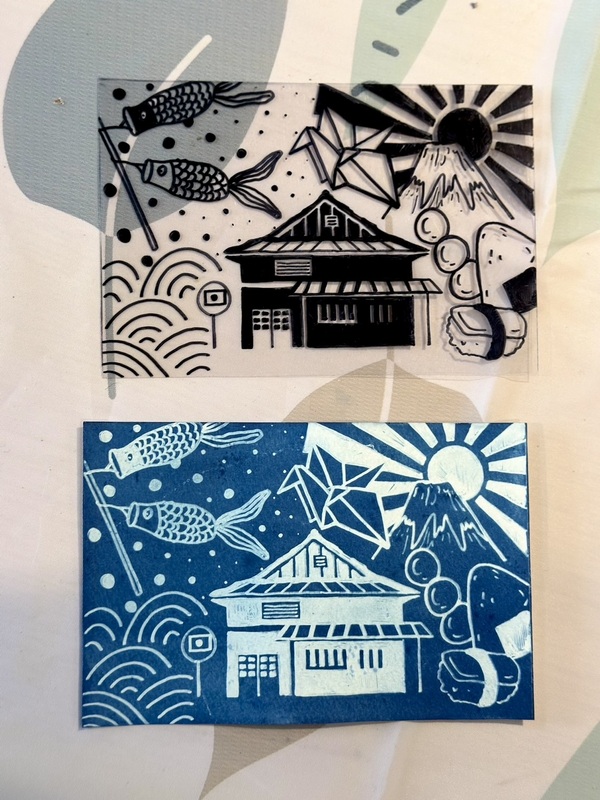
Student Teachers' Art Lesson
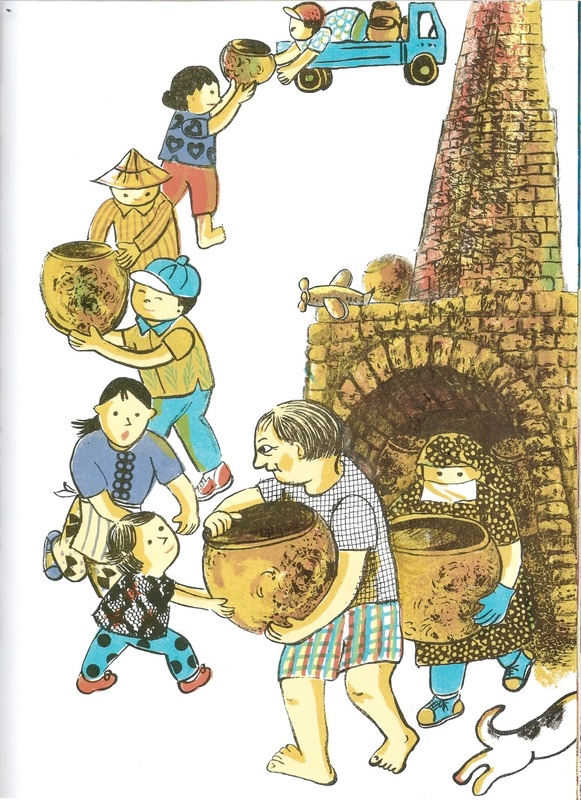
Playing with Clay
by Zhang Xiuyu