The Art of Intercultural Understanding
Art as the Bridge
Art reflects subjective culture and provides an opportunity to see differently.
The Art of Intercultural Understanding rests on the premise that before we can understand another culture’s behaviors, we must understand how that culture teaches its members to see. Art education, as “the doing, the making and the living of a culture”, reveals these perceptual habits in ways that textbooks cannot.
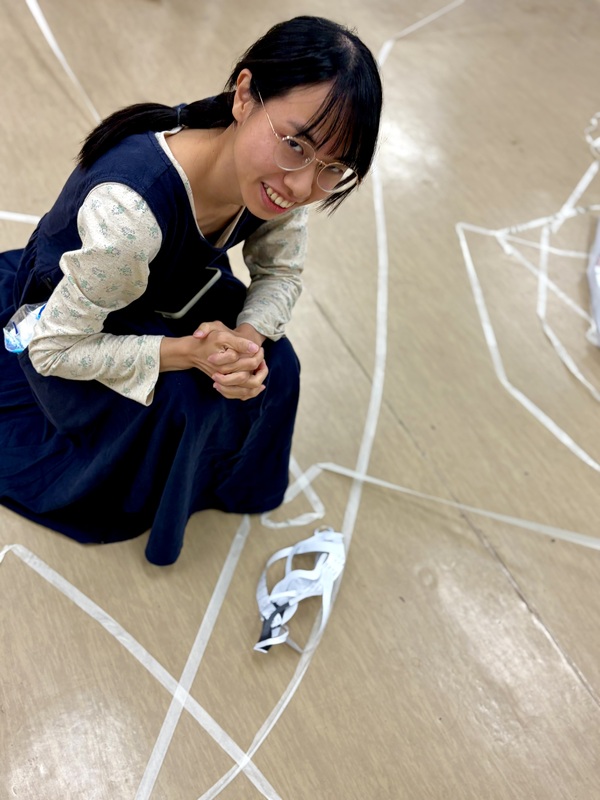
This installation demonstrates another way of living; it is a visual metaphor for a system shaped by connection, balance, and interdependence. The elevated houses and delicate walkways suggest a community where no one stands alone, and where survival depends on relationships with others and the environment. Rather than explaining this culture directly, the artwork asks us to look closely, to notice how space, structure, and proximity carry meaning. In doing so, it reveals what is often unseen: the values that shape how people live, move, and belong.
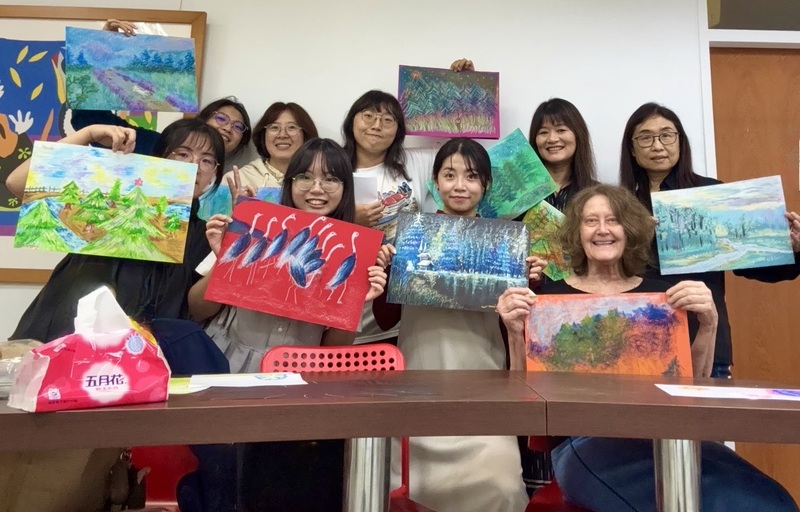
Creative individuals are more similar than different across racial and ethnic groups, with openness being the predominant personality trait (Vuyk, Kerr, & Montanía, 2025).
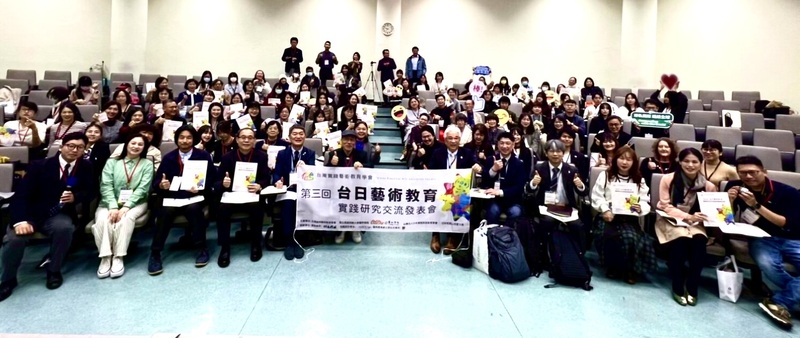
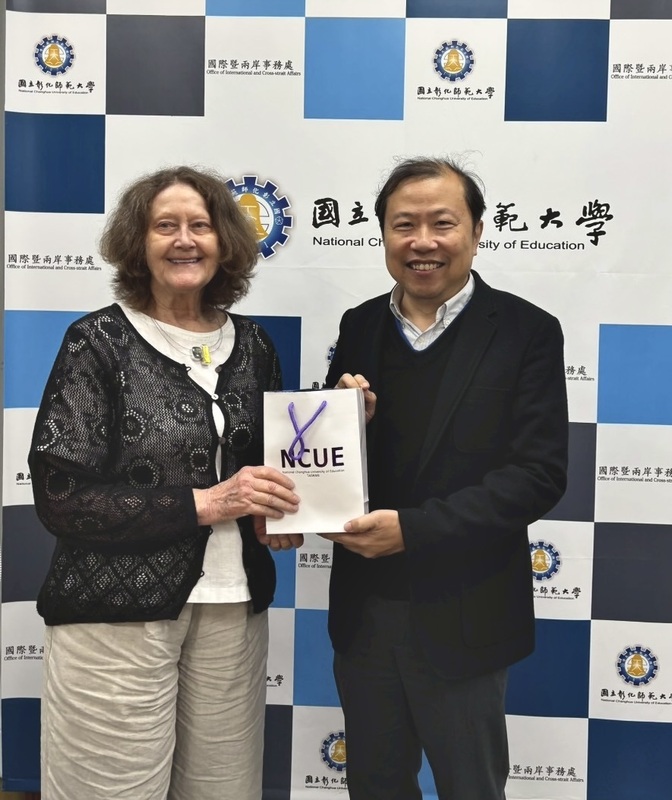
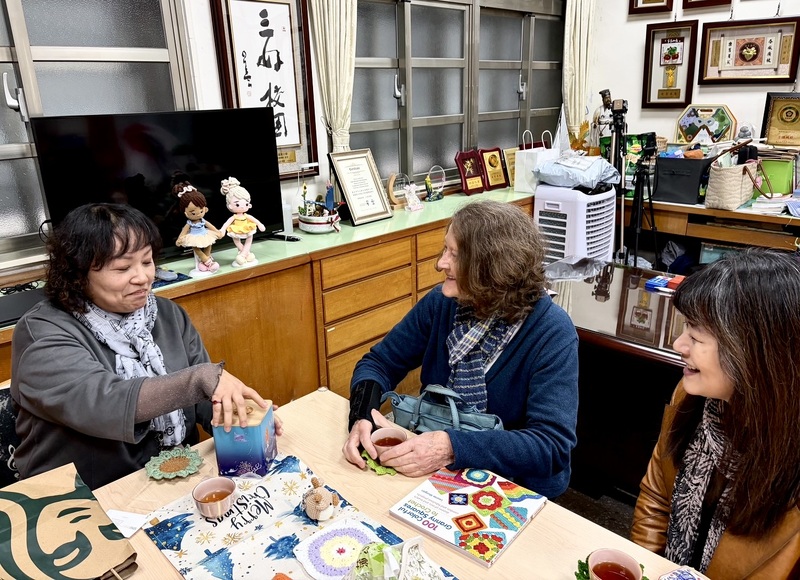
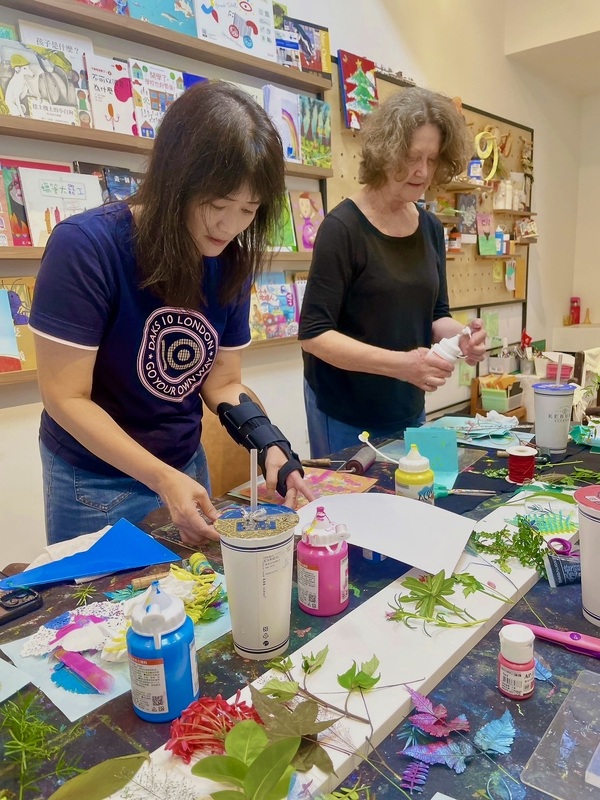
Intercultural understanding goes beyond travel, study, or service. It develops over time through participation, observation, and meaningful relationships.
...open individuals tend to show more positive attitudes toward individuals from diverse cultural backgrounds and are eager to learn about and interact with different cultures. These aspects of openness lead them to develop a broader understanding of the world and become more adaptable in different social contexts, promoting intercultural understanding, tolerance, and empathy (Vuyk, Kerr, & Montanía, 2025).
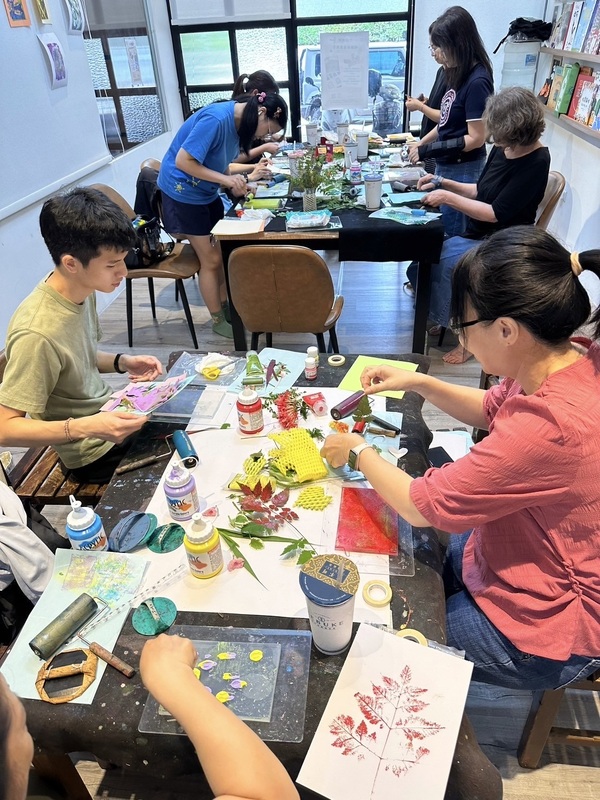
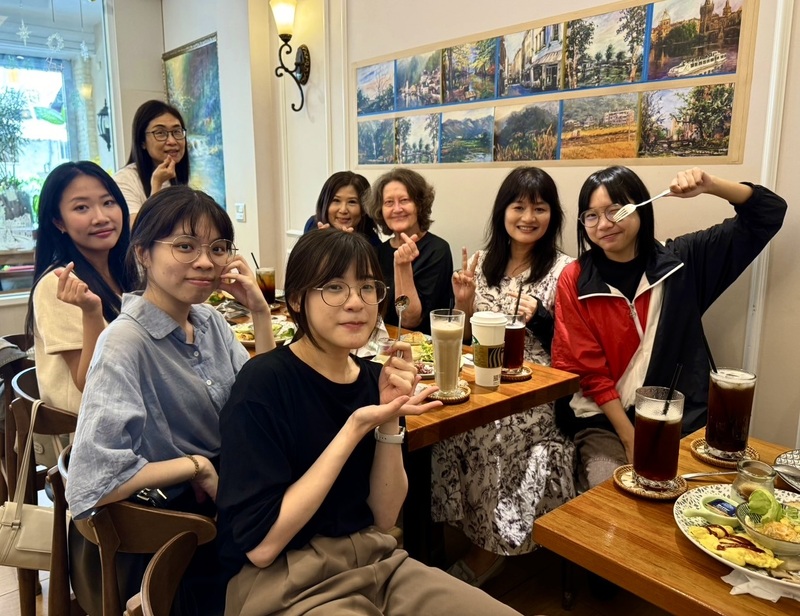
Traditionally intercultural understanding is approached through language acquisition, historical study, or political analysis. Yet culture operates most powerfully beneath the surface—through perception, habit, value systems, and the unconscious ways we learn to interpret the world. The customary research methods are insufficient for understanding subjective culture; qualitative, relational, and observational approaches are needed. There is a pressing need to develop alternative methods for understanding and defining other cultures in today’s multicultural, almost borderless world.
Art helps us understand cultures beyond surface-level observation. Art can serve as a bridge for understanding how others live, connect, and make meaning in the world. Art is not simply a subject of study. It is a method of cultural inquiry, and perhaps one of the most sympathetic pathways toward deeper global understanding.
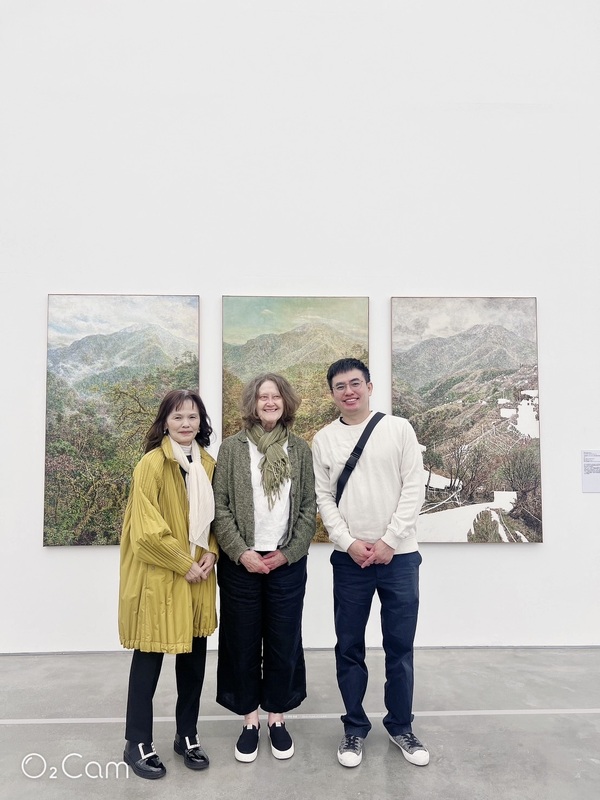
Understanding develops through relationship,
not observation alone.