The California Report Magazine is a weekly radio and podcast program produced by KQED. The program focuses on in-depth reporting on California’s people, politics, culture, and social issues and represents a flagship example of public media journalism in the state.
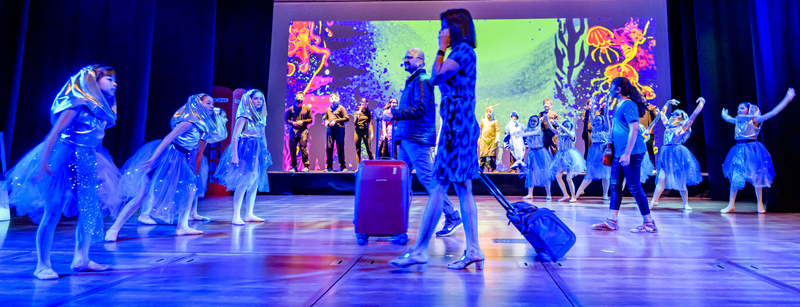
Eleven year old Ayesha is recruited by the queen of the oceans to discover why the bioluminiscent phyto plankton are dying in this Harry Potter meets Dan Brown Young Adult escapade.
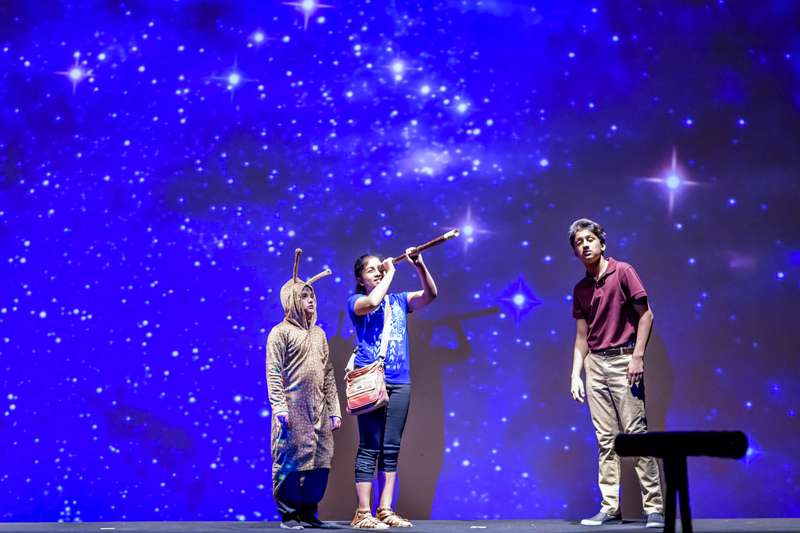
Ayesha, her snarky snail sidekick Caro, and her cousin Xander search the galaxies for the portal connecting the firefish to the aliens.
A scene from The Conference of the Birds, which is an ensemble-driven stage adaptation of Attar’s poem in which a group of travelers, guided by the hoopoe, undertake a symbolic journey through trials that strip away ego, fear, and illusion, ultimately revealing that the divine they seek is a reflection of their own collective self.
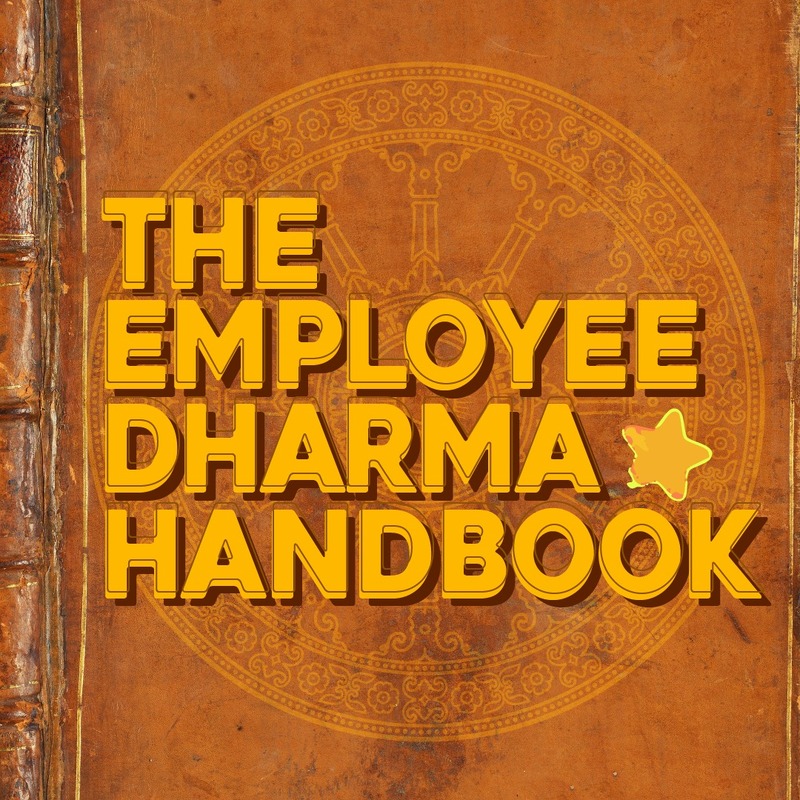
Promotional graphic created for the staged reading of The Employee Dharma Handbook at TheatreWorks Silicon Valley’s 2025 New Works Festival. Set at a Silicon Valley aerospace company on the brink of a major rocket launch, the play follows Val, an HR executive who suspects that Leela, a young Indian American engineer, has been denied a promotion due to bias. As corporate leadership navigates pressure, loyalty, and reputation, questions of sexism, hierarchy, and immigrant identity surface. Drawing on the concept of dharma, the work interrogates competing obligations to self, community, and institution within contemporary tech culture.
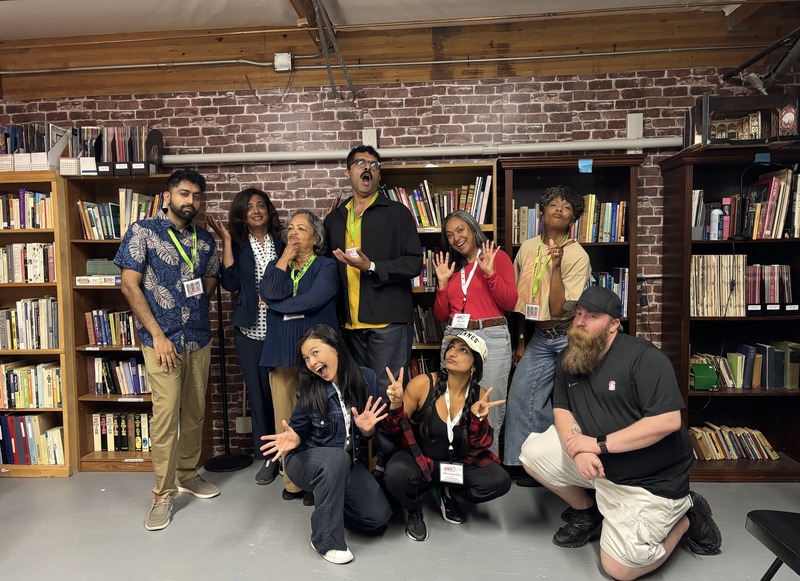
Cast members pose during rehearsal for the 2025 New Works Festival staged reading of The Employee Dharma Handbook. Developed in TheatreWorks’ Redwood City rehearsal space, the ensemble collaborated to shape the rhythm, tone, and interpersonal dynamics of Reddy’s workplace drama. Set within a high-pressure aerospace company, the play explores promotion, bias, and the layered hierarchies that structure corporate life in Silicon Valley. Through rehearsal, performers navigated questions of immigrant identity, gender politics, and ethical responsibility, foregrounding the concept of dharma as both a philosophical and professional framework.
Cast members pose during rehearsal for the 2025 New Works Festival staged reading of The Employee Dharma Handbook. Developed in TheatreWorks’ Redwood City rehearsal space, the ensemble collaborated to shape the rhythm, tone, and interpersonal dynamics of Reddy’s workplace drama. Set within a high-pressure aerospace company, the play explores promotion, bias, and the layered hierarchies that structure corporate life in Silicon Valley. Through rehearsal, performers navigated questions of immigrant identity, gender politics, and ethical responsibility, foregrounding the concept of dharma as both a philosophical and professional framework.
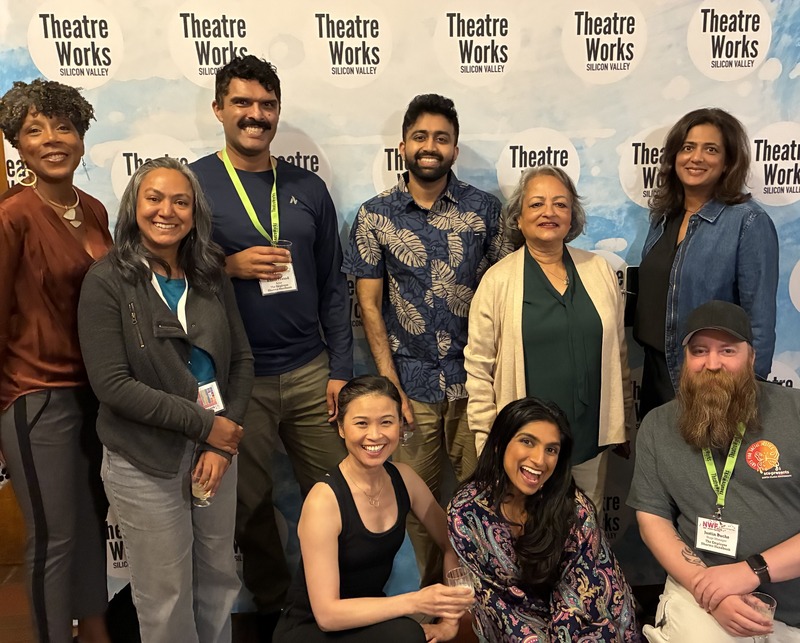
Cast members gather in rehearsal for the 2025 New Works Festival staged reading of The Employee Dharma Handbook. Pictured left to right: Kartic Bhargav, Geetha Reddy, Ranjita Chakravarty, Kunal Prasad, Reena Dutt, and Kathryn Smith McGlynn. Bottom row: Karen Law, Nikita Chaudhry, and Justin Buchs. Developed in a collaborative rehearsal setting, the reading brought together performers from diverse backgrounds to explore Reddy’s Silicon Valley–set drama. Through humor and tension, the play interrogates workplace bias, immigrant identity, and competing interpretations of professional and personal duty.
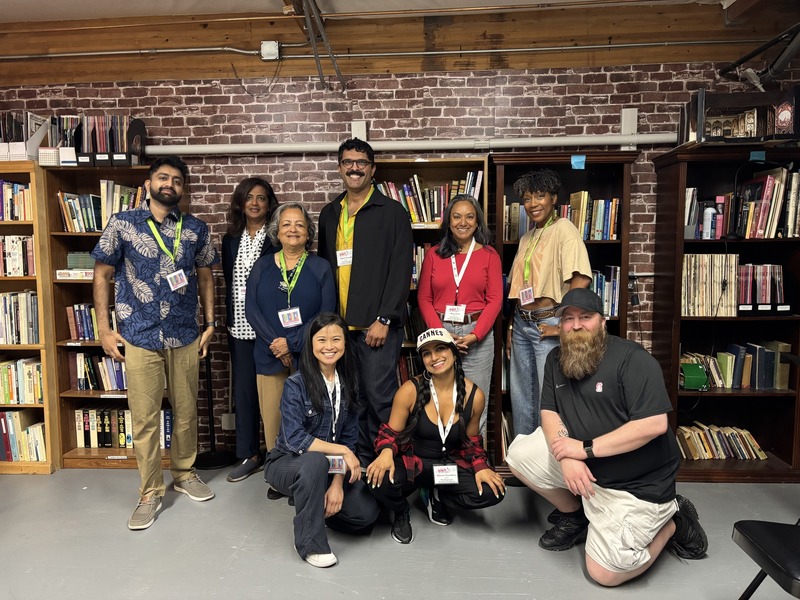
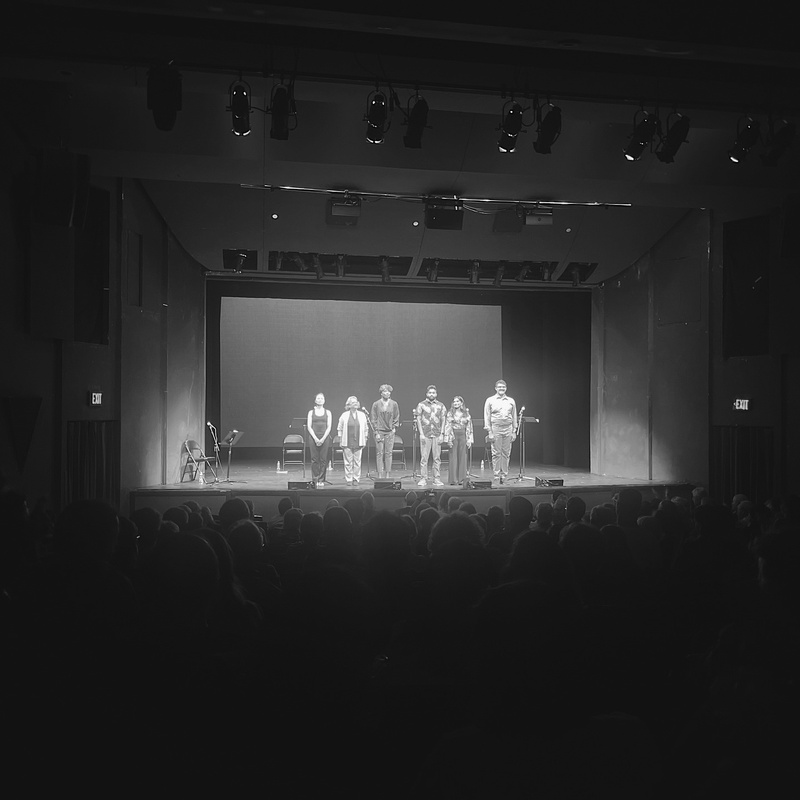
The cast takes their bows following the August 2025 New Works Festival staged reading at Lucie Stern Theatre in Palo Alto. Presented before a live audience, the reading marked a key public moment in the development of Geetha Reddy’s Silicon Valley–set drama. The work examines workplace bias, corporate hierarchy, and competing interpretations of professional and personal duty within a high-pressure aerospace environment. rehearsal process to a shared public experience.
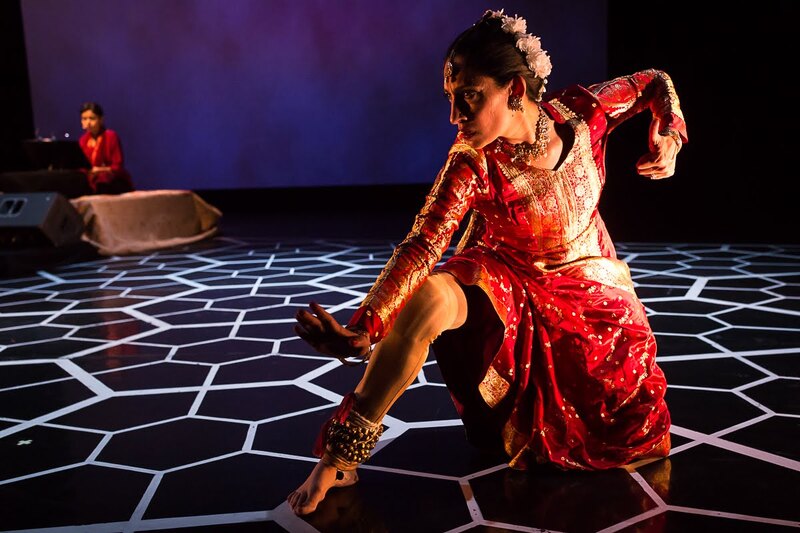
The Forgotten Empress is dynamic-dance drama based on the history and life of Empress Noor Jahan exploring the influence she had in 17th century Mughal India, and how she maintained her delicate power in a male dominated empire only to be almost forgotten in the latter years of her life and in death. Photo of Farah portraying Empress Noor Jahan in battle to save her husband, Emperor Jahangir.
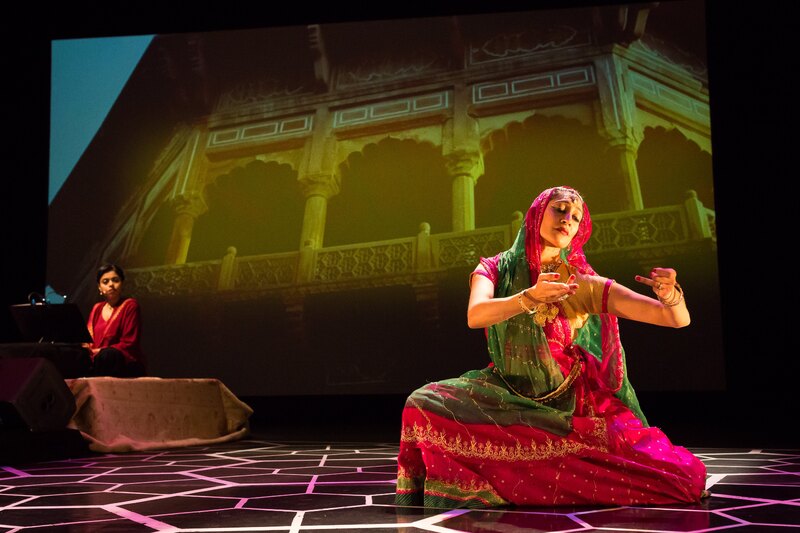
The Forgotten Empress is dynamic-dance drama based on the history and life of Empress Noor Jahan exploring the influence she had in 17th century Mughal India, and how she maintained her delicate power in a male dominated empire only to be almost forgotten in the latter years of her life and in death. Photo of Farah portraying Empress Jagat Gosini, second wife to Emperor Jahangir.
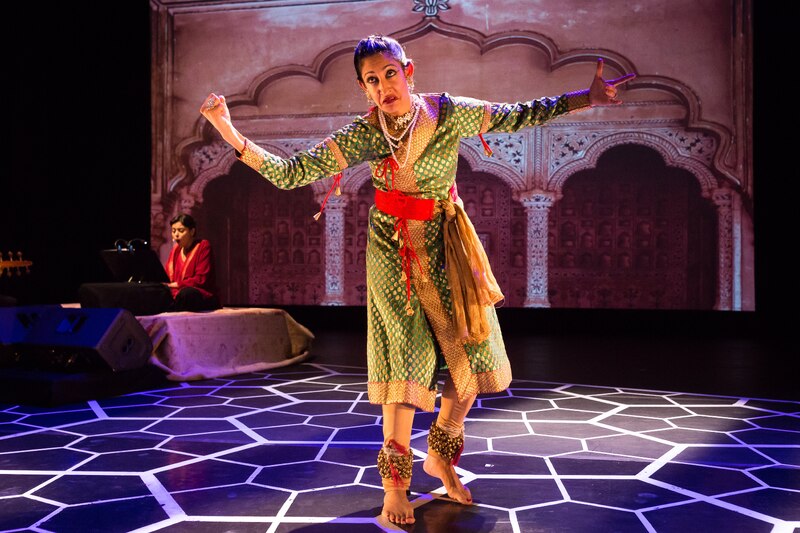
The Forgotten Empress is dynamic-dance drama based on the history and life of Empress Noor Jahan exploring the influence she had in 17th century Mughal India, and how she maintained her delicate power in a male dominated empire only to be almost forgotten in the latter years of her life and in death. Photo of Farah portraying a drunk Prince Salim who is angry with his father (Emperor Akbar) and is plotting to poison him.
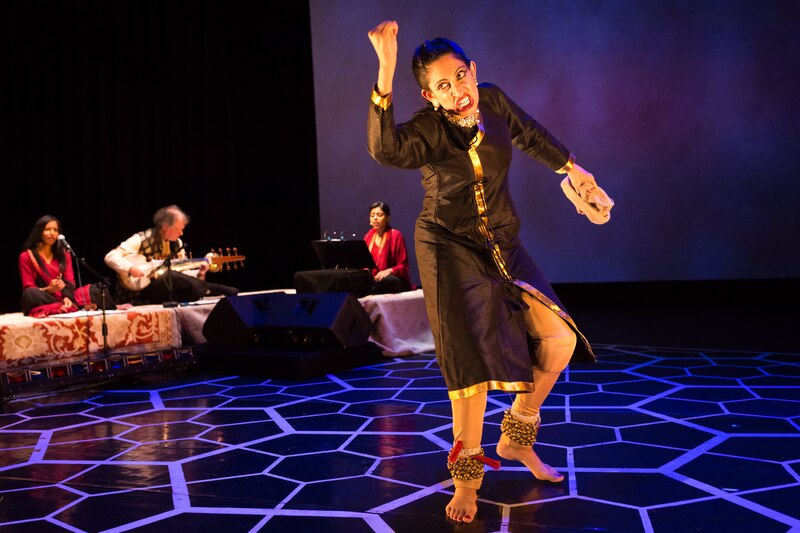
The Forgotten Empress is dynamic-dance drama based on the history and life of Empress Noor Jahan exploring the influence she had in 17th century Mughal India, and how she maintained her delicate power in a male dominated empire only to be almost forgotten in the latter years of her life and in death. Farah portrays an enraged Ali Quli (first husband to Mehrunissa (Empress Noor Jahan).
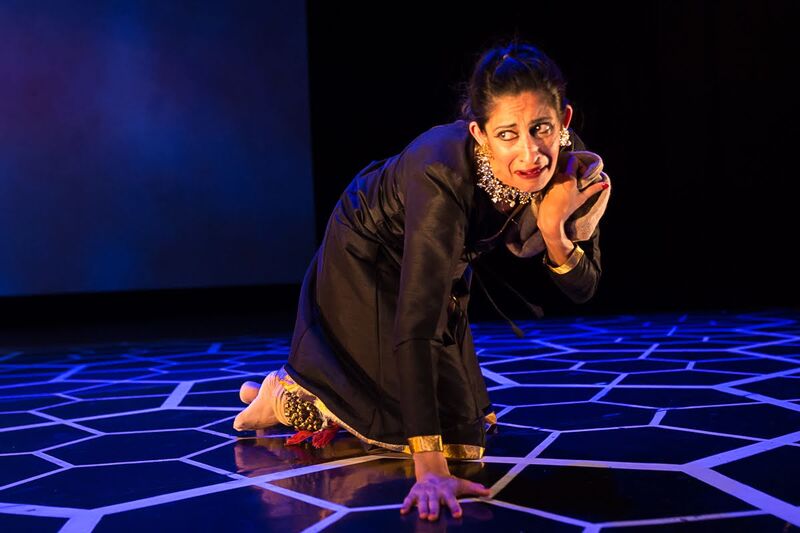
The Forgotten Empress is dynamic-dance drama based on the history and life of Empress Noor Jahan exploring the influence she had in 17th century Mughal India, and how she maintained her delicate power in a male dominated empire only to be almost forgotten in the latter years of her life and in death. Farah portrays a frightened Mehrunissa who has just witnessed her first husband being killed, and now fearing her own life and that of her daughter, Ladli.
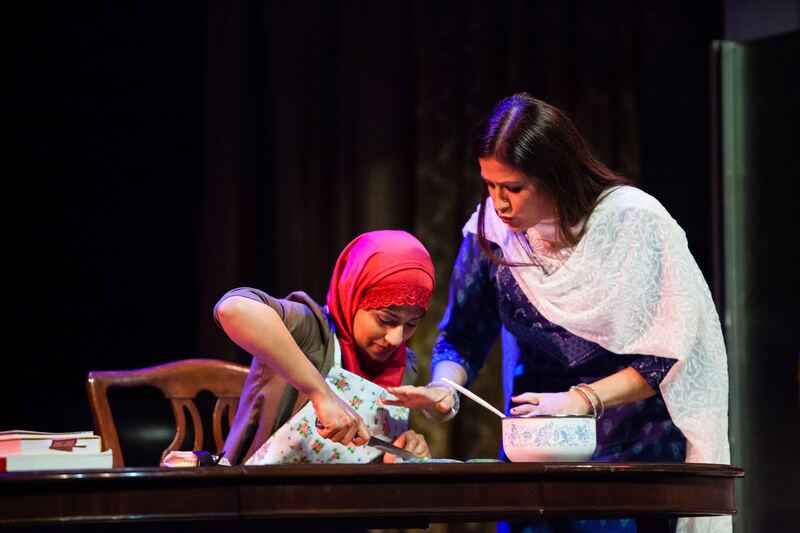
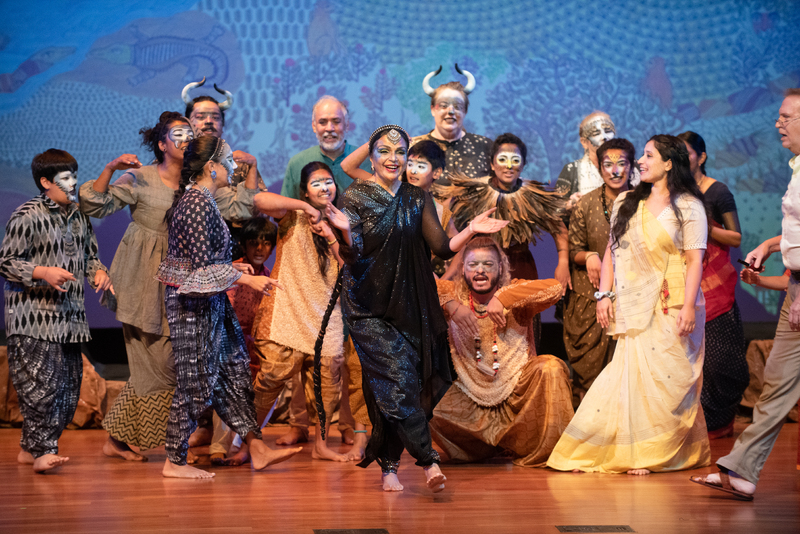
What if Kipling was to write the story of Jungle Book today? A multigenerational conservatory of writers transforms Kipling's classic into an authentic decolonised story centering identity and belonging.
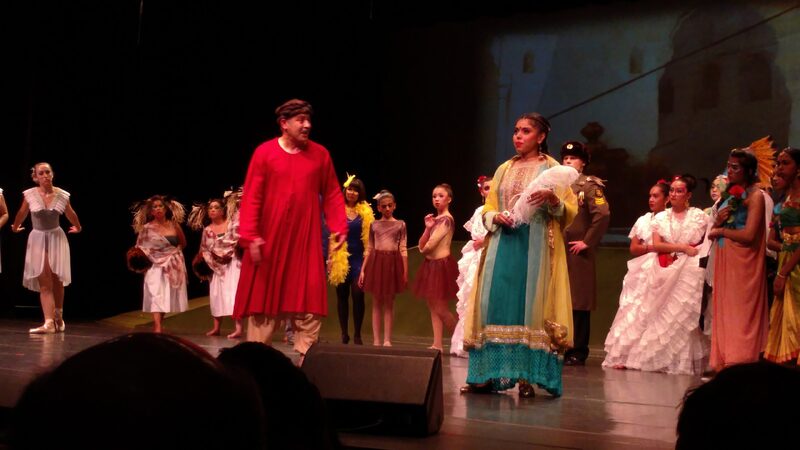
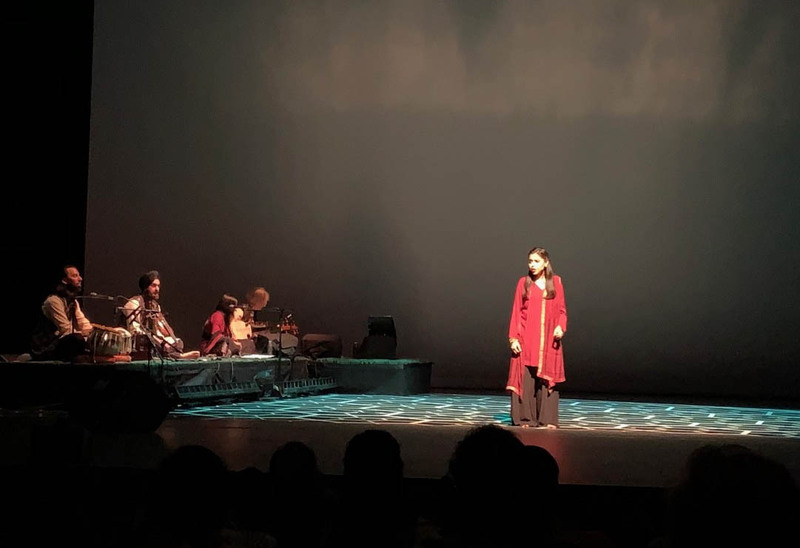
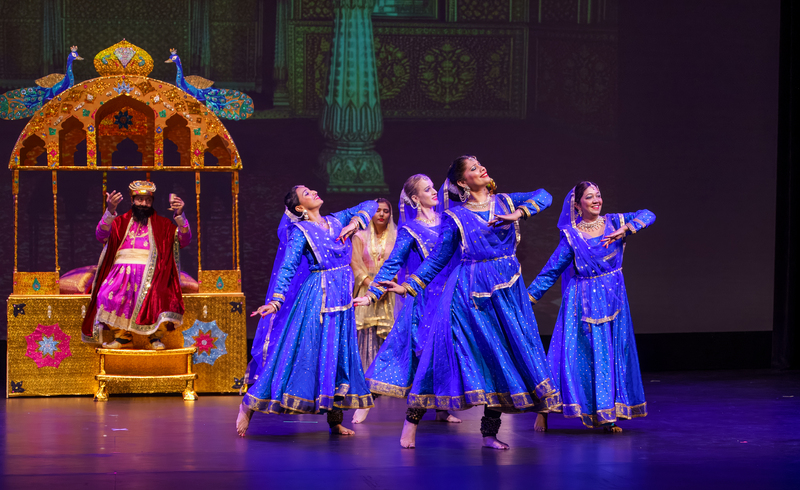
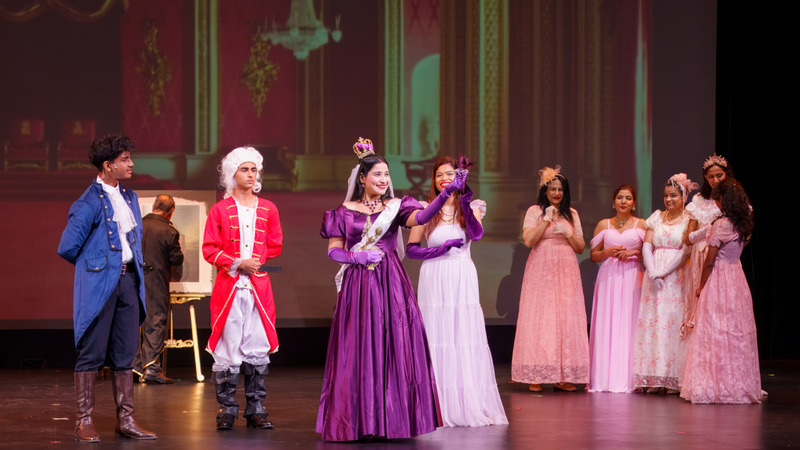
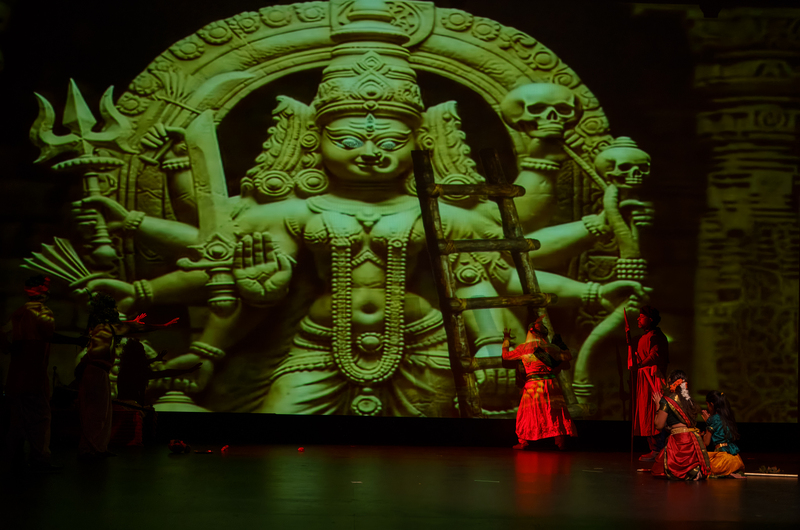
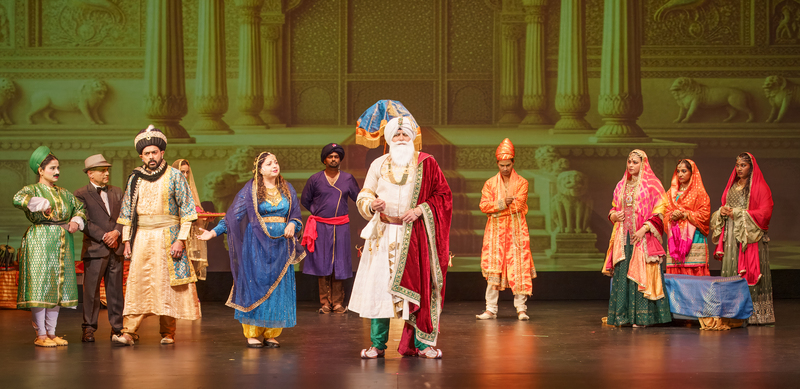
The Legend of Kohinoor traces the epic journey of the world’s most (in)famous diamond — from its origins in the Deccan (Southern part of India), through the hands of Indian and West Asian rulers, to its current place in the crown jewels of the British Empire.
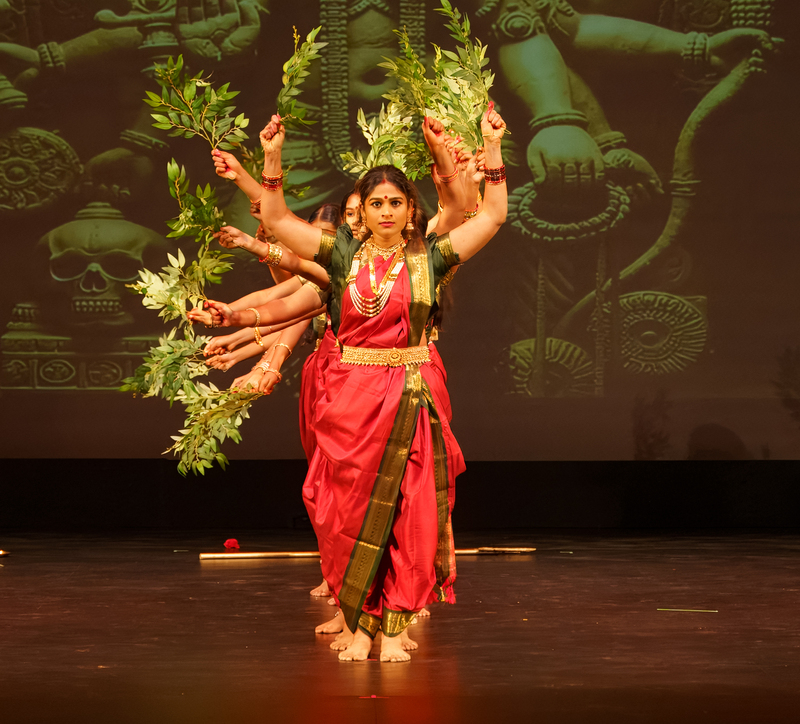
Featuring North Indian Classical (Hindustani) and South Indian Classical (Carnatic) music of India as well as a North Indian Classical dance form, Kathak, and a South Indian Classical dance form, Kuchipudi, along iwth folk and contemporary dance forms, this play showcases a wide range of dance and musical tradiitons of South Asia.
The Legend of Kohinoor traces the epic journey of the world’s most (in)famous diamond — from its origins in the Deccan (Southern part of India), through the hands of Indian and West Asian rulers, to its current place in the crown jewels of the British Empire.
Featuring North Indian Classical (Hindustani) and South Indian Classical (Carnatic) music of India as well as a North Indian Classical dance form, Kathak, and a South Indian Classical dance form, Kuchipudi, along iwth folk and contemporary dance forms, this play showcases a wide range of dance and musical tradiitons of South Asia.
The Legend of Kohinoor traces the epic journey of the world’s most (in)famous diamond — from its origins in the Deccan (Southern part of India), through the hands of Indian and West Asian rulers, to its current place in the crown jewels of the British Empire.
Featuring North Indian Classical (Hindustani) and South Indian Classical (Carnatic) music of India as well as a North Indian Classical dance form, Kathak, and a South Indian Classical dance form, Kuchipudi, along with folk and contemporary dance forms, this play showcases a wide range of dance and musical tradiitons of South Asia.
The Legend of Kohinoor traces the epic journey of the world’s most (in)famous diamond — from its origins in the Deccan (Southern part of India), through the hands of Indian and West Asian rulers, to its current place in the crown jewels of the British Empire.
Featuring North Indian Classical (Hindustani) and South Indian Classical (Carnatic) music of India as well as a North Indian Classical dance form, Kathak, and a South Indian Classical dance form, Kuchipudi, along iwth folk and contemporary dance forms, this play showcases a wide range of dance and musical tradiitons of South Asia.
The Legend of Kohinoor traces the epic journey of the world’s most (in)famous diamond — from its origins in the Deccan (Southern part of India), through the hands of Indian and West Asian rulers, to its current place in the crown jewels of the British Empire.
Featuring North Indian Classical (Hindustani) and South Indian Classical (Carnatic) music of India as well as a North Indian Classical dance form, Kathak, and a South Indian Classical dance form, Kuchipudi, along iwth folk and contemporary dance forms, this play showcases a wide range of dance and musical tradiitons of South Asia.