Suno 87.7 FM is a Bay Area–based South Asian radio station broadcasting Bollywood, Tollywood, and multicultural South Asian music. The station offers a mix of Hindi, Punjabi, Tamil, Telugu, and English programming, featuring celebrity interviews, entertainment updates, and local community news.
Operating on 87.7 FM and online streaming platforms, Suno serves as a hub for South Asian listeners across Silicon Valley and Northern California. Its tagline, “Apni Dhun, Apni Baat” (“Our music, our voice”), reflects its focus on uniting diverse South Asian audiences through shared culture, language, and music.
Since its launch in the late 2010s, Suno 87.7 FM has collaborated with local organizations, artists, and businesses, providing an inclusive media space that connects new immigrants, students, and long-established diaspora communities.
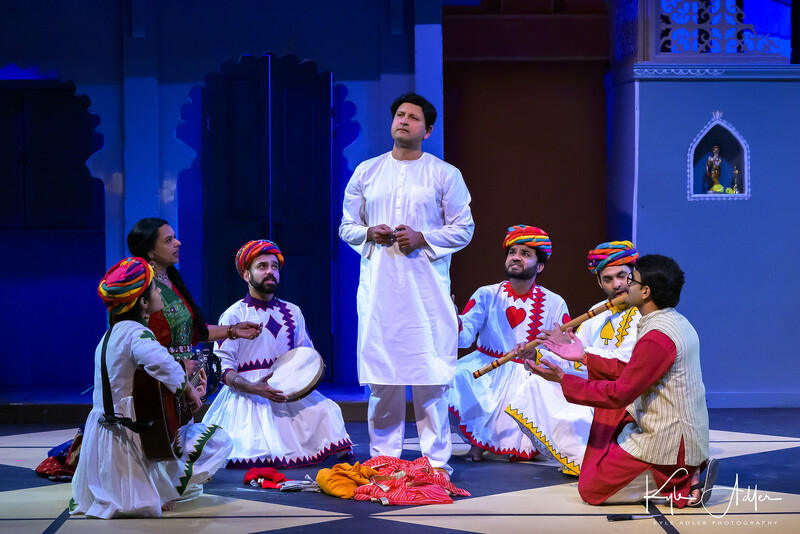
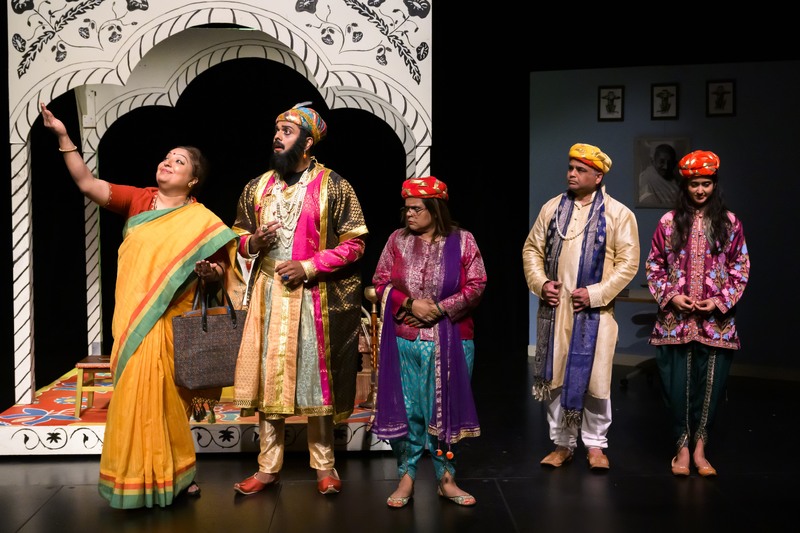
Adapted from Dharamvir Bharati’s celebrated novella, Suraj Ka Satwan Ghoda unfolds through a series of interwoven love stories narrated by Manik Mulla, whose storytelling blurs the boundaries between memory, fiction, and interpretation. Set against the rhythms of everyday life, the narrative moves fluidly across time and perspective, resisting definitive conclusions about love, truth, and human relationships. The play’s episodic structure and layered narration foreground the act of storytelling itself, a form deeply embedded in South Asian literary and oral traditions. In performance, Naatak brings this narrative complexity to the stage through ensemble work, music, and shifting tonal registers, reflecting both the intimacy and ambiguity of lived experience.
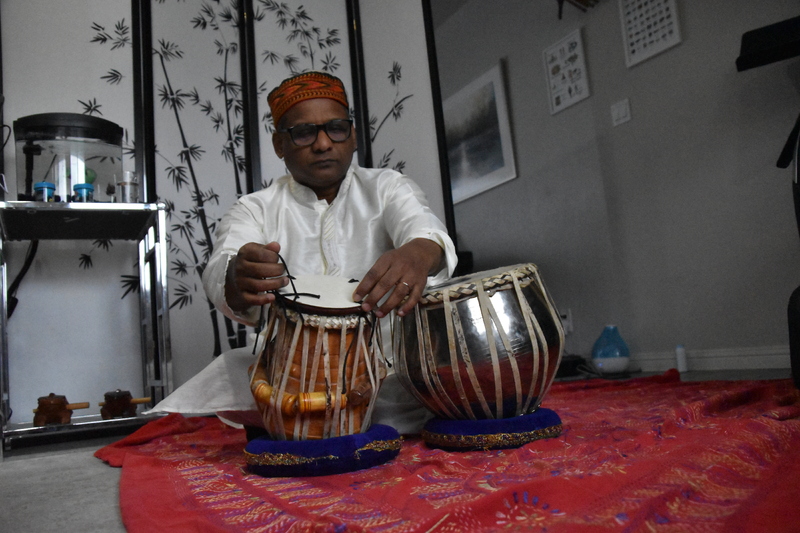
Tabla are a pair of hand drums played in multiple countries, including Bangladesh, India, Nepal, Pakistan. The higher-pitched right-hand drum is also known as the daya, while the left-handed drum, also called the baya, is lower-pitched. Tabla are a foundational instrument in Indian classical music.
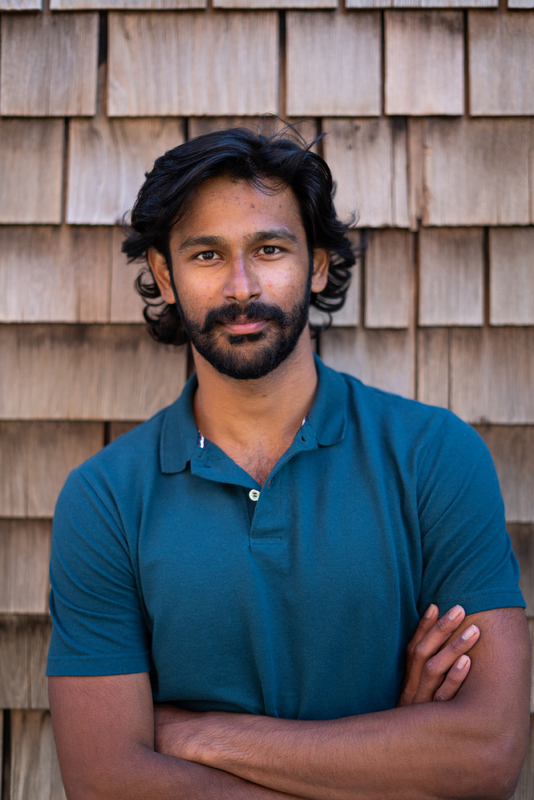
Tanay Gokhale is a Bay Area print and video journalist whose reporting connects local issues to the experiences of immigrant and diaspora communities. A UC Berkeley Journalism graduate, he served as a Community Reporter and California Local News Fellow with India Currents, covering South Asian community stories across California. His work focuses on community voices, cultural identity, and public-interest storytelling.
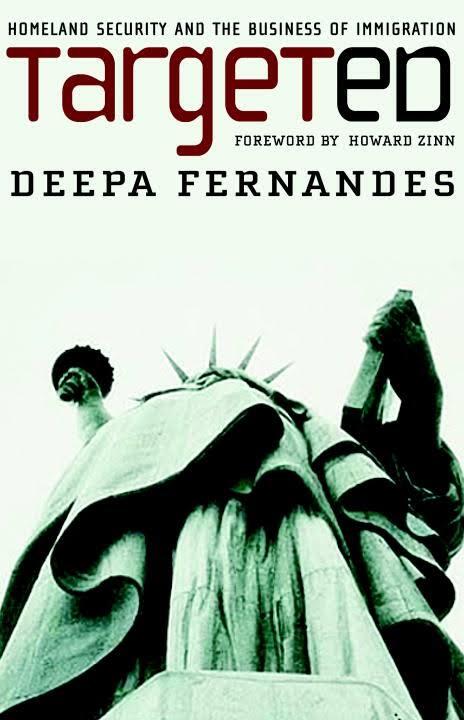
Targeted: Homeland Security and the Business of Immigration by journalist Deepa Fernandes. The book investigates the post-9/11 expansion of the U.S. homeland security apparatus and its impact on immigrants, civil liberties, and communities of color. It reflects Fernandes’s long-standing focus on immigration, surveillance, and social justice reporting.
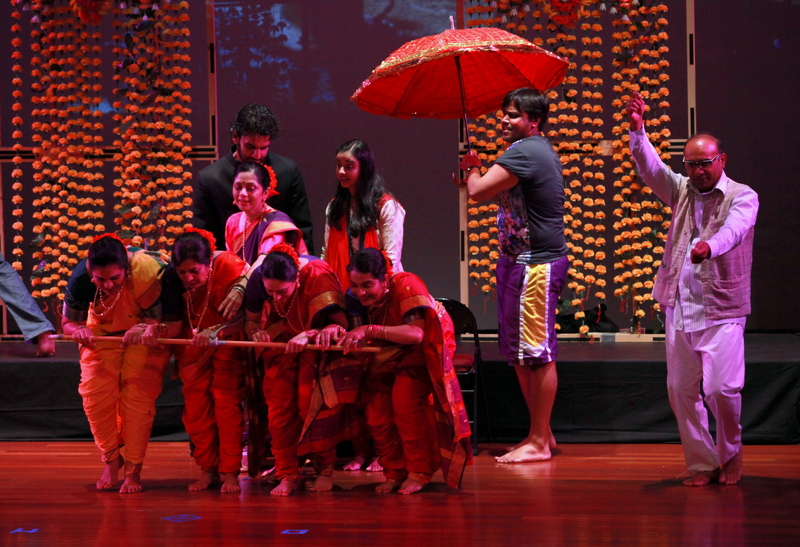
The staging of Teen Paishacha Tamasha marked CalAA's 40th production and was presented at the Cubberley Theater in Palo Alto. Adapted into Marathi by Pu. La. Deshpande, the play reinterprets Brecht and Weill’s The Threepenny Opera through the idiom of Marathi musical satire. Retaining the original’s critique of corruption, capitalism, and moral duplicity, Deshpande’s adaptation situates the narrative within a culturally resonant linguistic and performative framework.
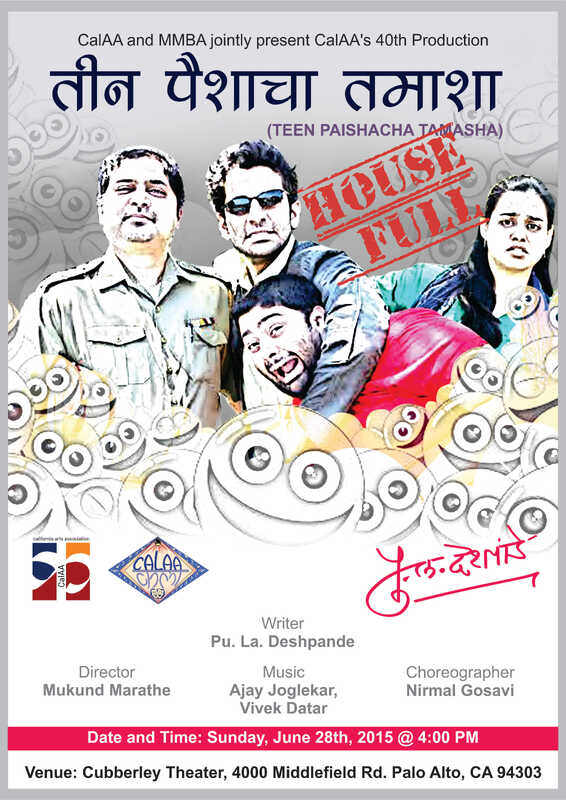
The poster announces CalAA’s 2015 staging of 'Teen Paishacha Tamasha', an adaptation of 'The Threepenny Opera', and marked its 40th production. The poster’s bold “House Full” stamp underscores the production’s popularity, reflecting both the enduring appeal of Brechtian satire and the vitality of Marathi musical theater in Silicon Valley.
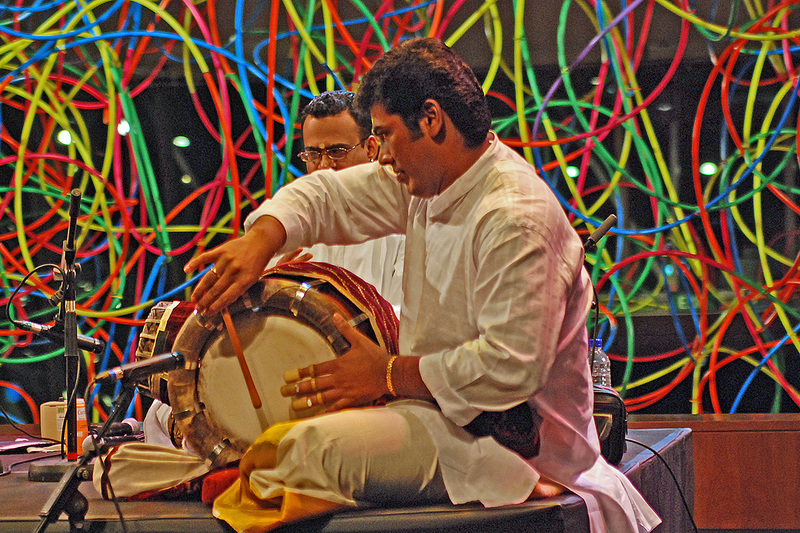
Thavil/Tavil is a traditional instrument from Tamil Nadu in south-eastern India. It is a percussion instrument that is barrel-shaped and commonly made from jackfruit wood and animal skins. It is also popular in Sri Lanka.
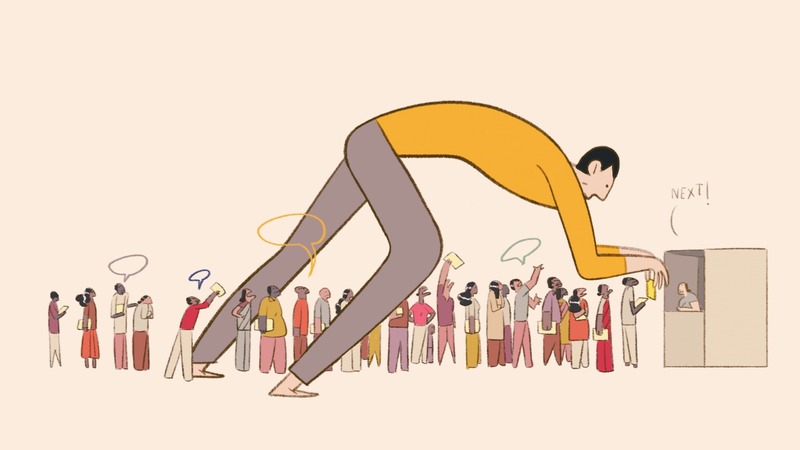
A long-form investigation published by The Morning Context on October 15, 2019, this essay by Anahita Mukherji offers a deep dive into the professional challenges and personal lives of Indian workers navigating the complex and precarious H-1B visa system in the United States. It uses vivid storytelling and individual narratives to show how the legal and economic frameworks intended to facilitate high-skill migration can also create emotional strain, uncertainty, and structural barriers that stand between immigrants and the so-called “American Dream.” The piece blends reporting on labor conditions, immigration policy, and community experience with intimate moments that reveal the hopes, anxieties, and contradictions faced by H-1B holders and their families.