This article, published by The Wire on June 13, 2020, reports on the experiences of South Asian domestic violence survivors in Silicon Valley during the COVID-19 lockdown. Written by Anahita Mukherji, the piece highlights how stay-at-home mandates intensified risks for women trapped with abusers, while simultaneously reducing their ability to seek help.
The article draws on interviews with survivors, advocates, and counselors to illuminate intersecting challenges related to immigration status, cultural stigma, isolation, economic precarity, and the digital divide. It also examines how South Asian community support organizations adapted—moving services online, offering remote counseling, and developing new safety strategies.
This story contributes to a deeper understanding of how the pandemic exacerbated vulnerabilities within the South Asian immigrant community in Silicon Valley, and it underscores the importance of culturally informed domestic violence services.
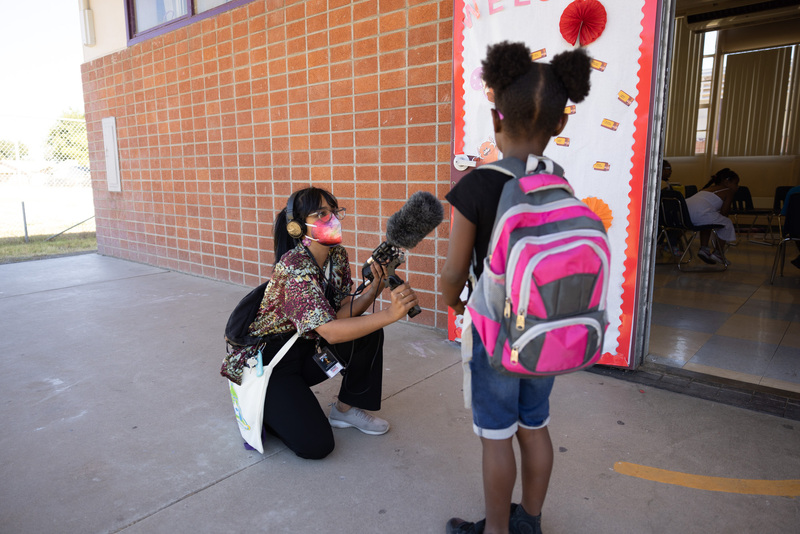
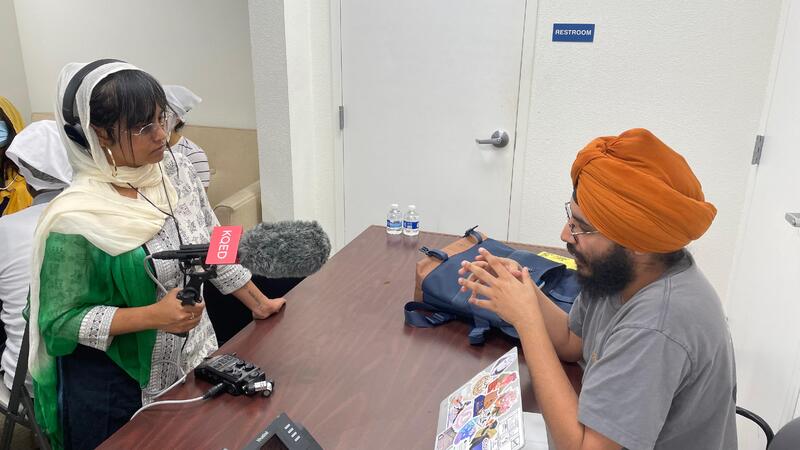
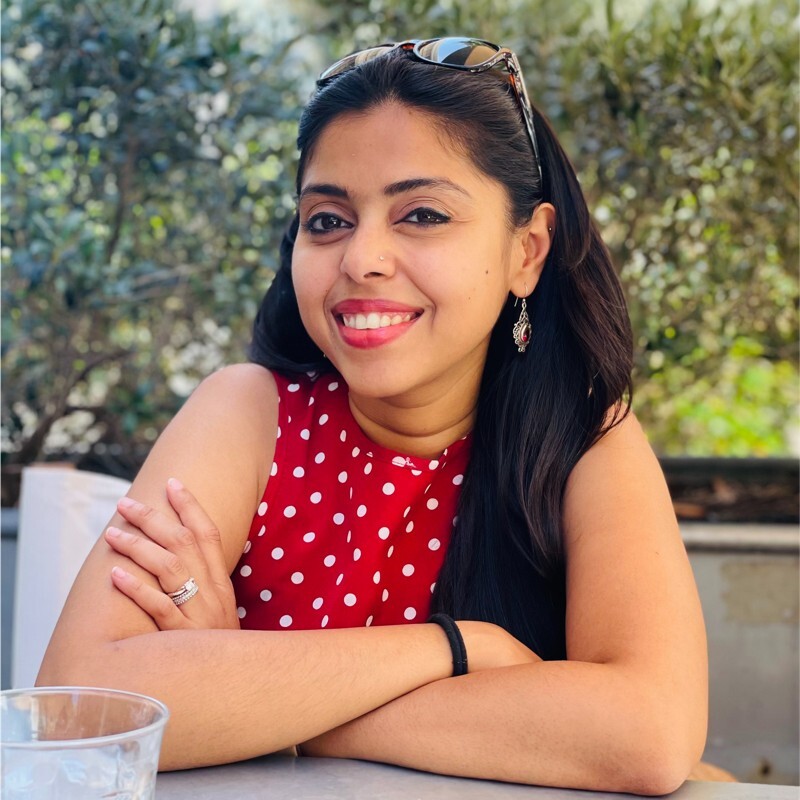
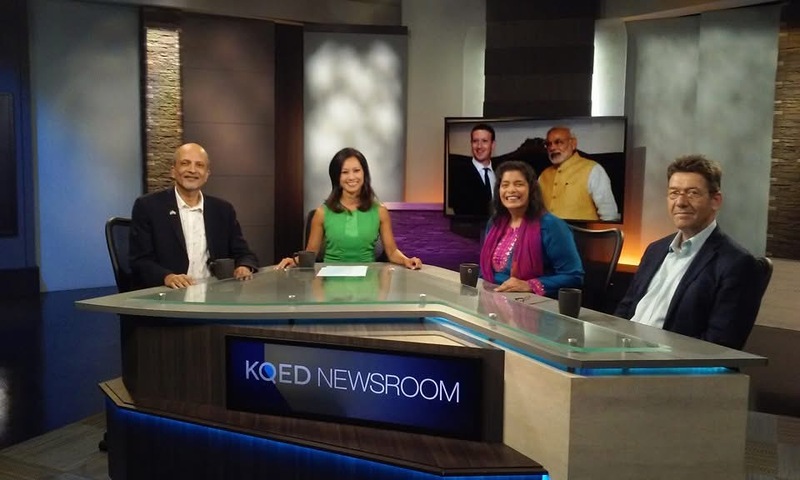
Srishti Prabha is a freelance writer and editor with bylines in NPR, KQED, CapRadio, The Sacramento Observer, East Palo Alto Today, and more. They currently help produce long-form audio and digital stories with The California Report Magazine at KQED, reporting human-centered narratives that examine identity and history in California. Before that, Prabha covered education in Sacramento as a Report for America corps member at CapRadio, focusing on stories impacting communities of color. As the managing editor of India Currents, a nonprofit magazine serving the Bay Area, Prabha covered the intersection of immigration, cultural identity, and health in South Asian communities. They came to journalism as a Public Allies Fellow at East Palo Alto Today, reporting on the impacts of gentrification in East Palo Alto. Since then, their work has been recognized by the San Francisco Press Club and the California News Publishers Association.
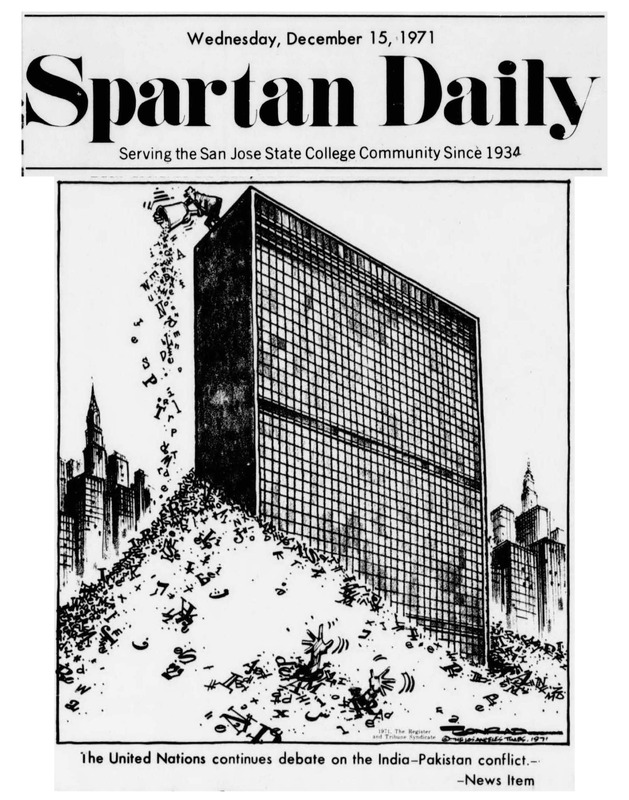
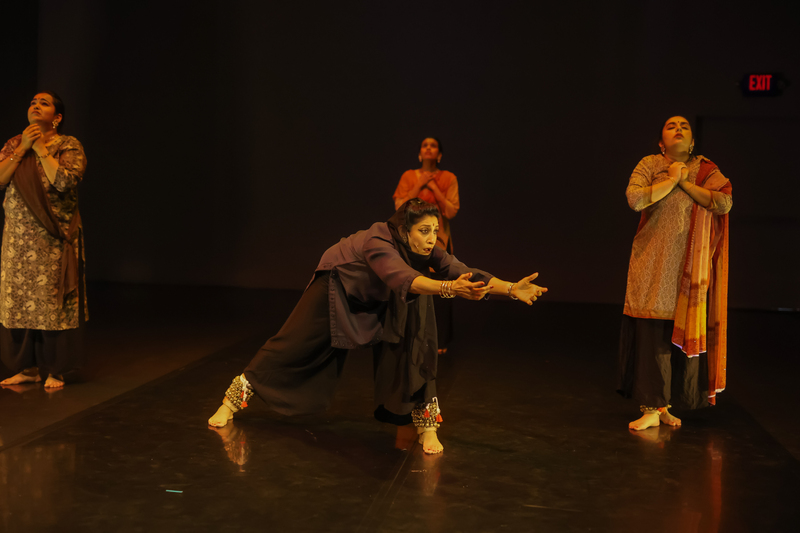
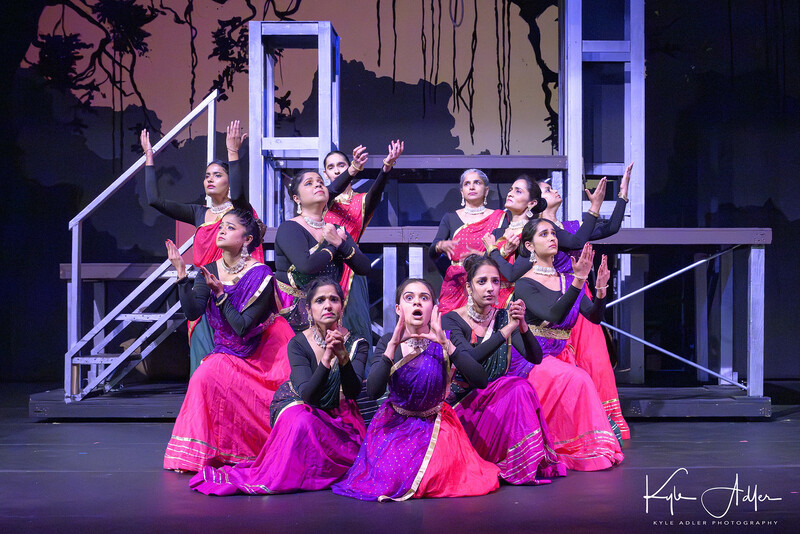
The production portrays the impact of the 1947 Partition of India into two independent nation states, India Based on excerpts of the poem by the great Pakistani Urdu poet, Faiz Ahmed Faiz, questioning the outcome of the 1947 Partition of India and Pakistan, and the “dawn” that came from the anticipated “freedom,” this piece asks: “Is this the dawn that we all ached for? No, this is not that one.” Pakistan.
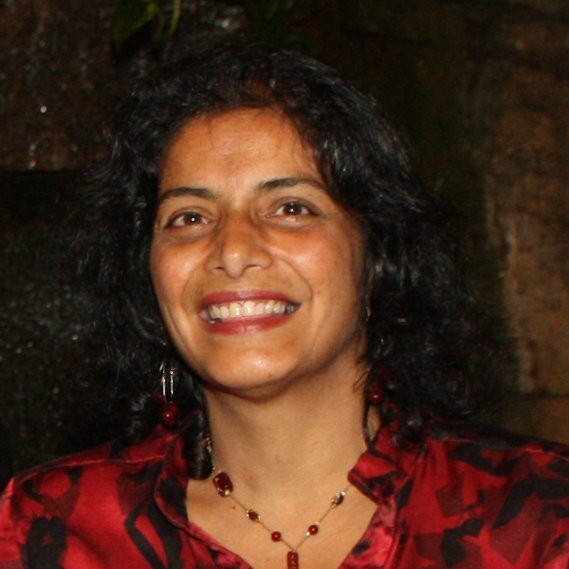
Sukanya Chakrabarti is an Associate Professor of Theatre Arts at Department of Film and Theater, San Jose State University. She is an artist (playwright, director, actor, dramaturg, singer) and a scholar and educator. She has worked with multiple productions all over Silicon Valley and nationally and internationally, in different capacities. She is the most recent translator of Rabindranath Tagore's Taasher Desh (Kingdom of Cards) and has co-adapted a Kingdom of Cards production that opens at the Hammer Theatre, San Jose, at the end of April 2026.
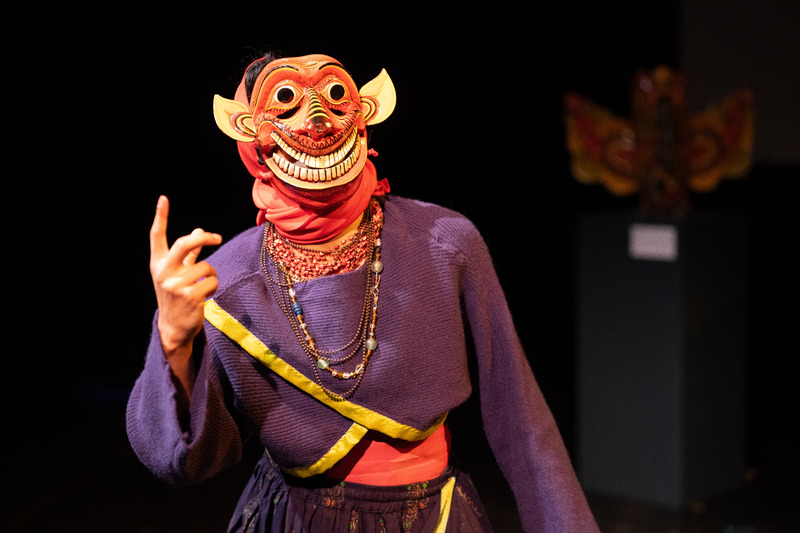
Sultana Daku is a Naatak original musical based on the historical figure of Sultana Daku, a notorious bandit active in North India in the early twentieth century. Adapted from The Confession of Sultana Daku, the play traces his rise to notoriety through raids, evasion, and eventual capture by British colonial authorities in 1924. Blending historical narrative with theatrical spectacle, the production incorporates live music, dance, and elements of swang performance to evoke the cultural landscape of 1920s India. Through its portrayal of outlaw heroism and colonial policing, the play engages questions of resistance, myth-making, and popular memory within South Asian storytelling traditions.
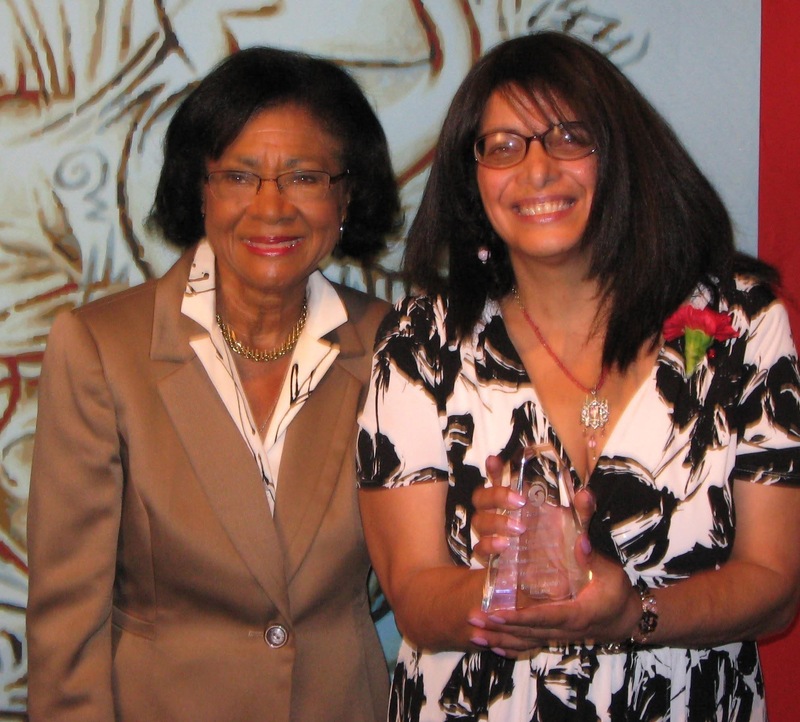
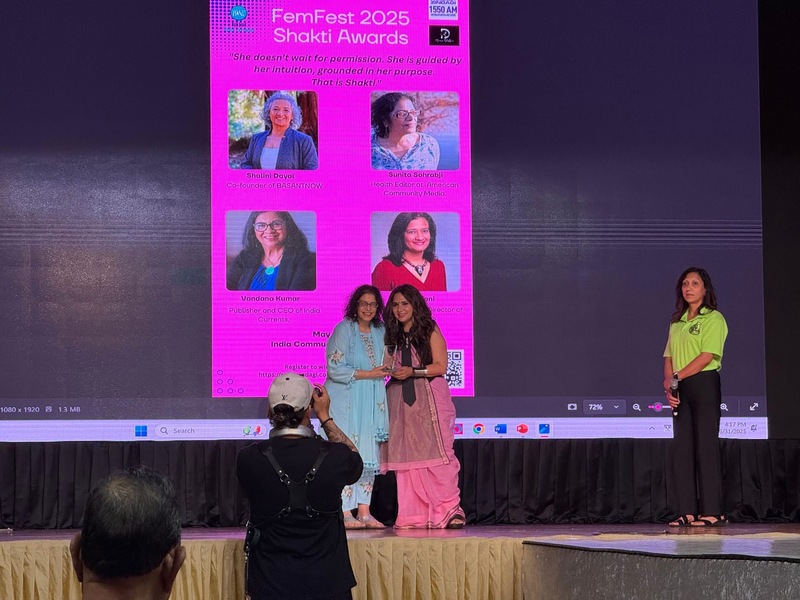
Sunita Sohrabji is a veteran community journalist whose career spans India-West and American Community Media. She joined India-West in 1987, when the South Asian community in the Bay Area was still growing, and became known for reporting on crime, hate violence, mental health, immigrant labor, public health, and other stories often overlooked by mainstream newsrooms. Her work helped document the growth of Indian American civic life while also bringing attention to difficult issues within and affecting the community, including anti-South Asian violence, postpartum depression, youth mental health, domestic labor exploitation, and electronic waste. In her later work with American Community Media, Sohrabji continued to emphasize community-centered public-service journalism, including health reporting, hate-crime awareness, and multilingual media briefings. In her interview for the South Asians in Silicon Valley Initiative, she described community media as advocacy, saying, “We are advocates for our communities.”