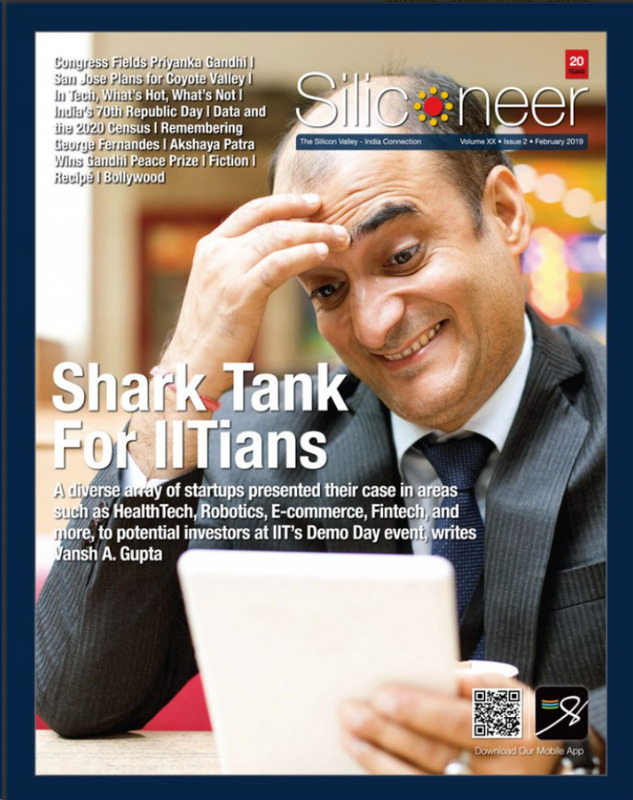
Cover of the February 2019 issue of Siliconeer (Volume XX, Issue 2), featuring the headline “Shark Tank for IITians.” The cover story, written by Vansh A. Gupta, highlights a wide range of startups presented by IIT (Indian Institutes of Technology) alumni in fields such as HealthTech, Robotics, E-commerce, FinTech, and engineering innovation.
The issue reflects Siliconeer’s editorial focus on bridging Silicon Valley’s tech ecosystem with South Asian entrepreneurial talent, capturing the energy and ambition of IIT graduates pitching their ventures to potential investors.
Additional cover highlights include:
Congressional and Bay Area political updates
Immigration and census data commentary
Remembrances of public figures such as George Fernandes
Republic Day reflections
Arts, fiction, Bollywood, and community coverage
Marking the magazine’s 20th year, this issue represents Siliconeer’s ongoing role in documenting South Asian innovation, leadership, and civic life in the tech capital of the world.
Cover of the December 2023 issue of Siliconeer (Volume XXIV, Issue 12), highlighting the feature story “When Deepfakes Get Real.” The issue addresses the accelerating rise of deepfake technologies — once used for harmless entertainment — and their new potential to influence political campaigns and public opinion, including implications for the upcoming U.S. presidential elections.
The cover’s mosaic-style digital portrait visually echoes the fragmentation and manipulation inherent in AI-generated media. The issue situates deepfakes within a larger conversation about trust, democracy, technology ethics, and the vulnerability of immigrant communities to misinformation.
Additional cover highlights include:
Apple’s Best Apps of 2023
Asian Para Games Gold Medalist Sheetal Devi
India in Pictures
The Great Canadian Road Trip
Lifestyle columns including fiction, cars, Bollywood, and food
Marking 24 years of publication, this issue reflects Siliconeer’s ongoing commitment to examining critical intersections between technology, society, and the South Asian diaspora.
Cover of the September–October 2025 issue of Siliconeer, a Bay Area–based magazine serving the South Asian community. The cover story, “When Immigrants Dare,” celebrates the entrepreneurial and cultural contributions of South Asian immigrants in Silicon Valley. Founded in 2000, Siliconeer publishes features on technology, innovation, culture, and identity, reflecting the experiences of South Asians navigating life and work in the United States.
Cover of Siliconeer magazine’s 25th Anniversary Edition (January–February 2025), marking 25 years of South Asian journalism in the San Francisco Bay Area. The issue, titled “Buckle Up:),” celebrates Siliconeer’s legacy of covering technology, culture, and identity across generations. The cover collage features notable past issues spotlighting leaders and innovators, including former U.S. President Barack Obama and Microsoft CEO Satya Nadella, reflecting the magazine’s commitment to chronicling South Asian achievement and community narratives in Silicon Valley and beyond.
Cover of Siliconeer magazine, January 2007 issue (Volume VIII, Issue 1). The cover story, “Off to Space,” celebrates astronaut Sunita Williams, who became the first woman of Indian descent to make a successful trip into space. The issue also features articles on India’s economic boom, Bollywood, technology, and global South Asian community news.
Cover of Siliconeer magazine, January 2007 issue (Volume VIII, Issue 1). The cover story, “Off to Space,” celebrates astronaut Sunita Williams, who became the first woman of Indian descent to make a successful trip into space. The issue also features articles on India’s economic boom, Bollywood, technology, and global South Asian community news.
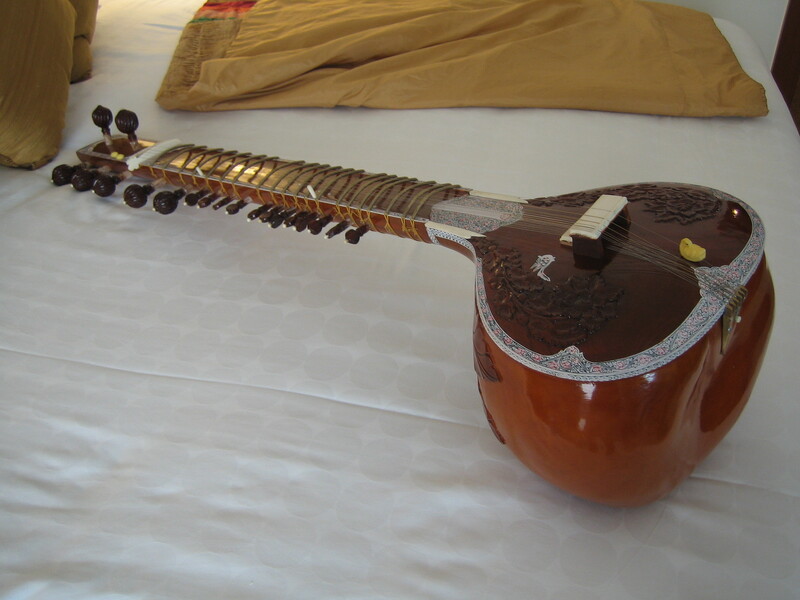
The Sitar is a string instrument and is one of the most well-known Indian instruments in the world. The sitar was likely inspired by the Iranian setar, and is used in both classical and modern music. The sitar player Ravi Shankar helped introduce the instrument to Western audiences starting in the 1950s and 60s.
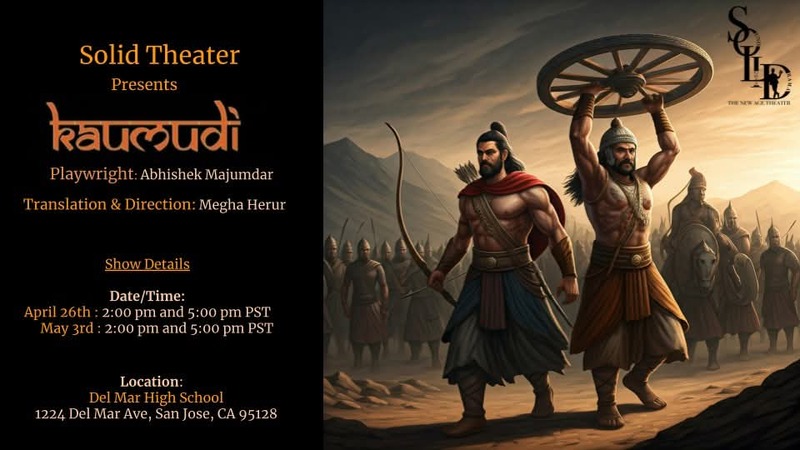
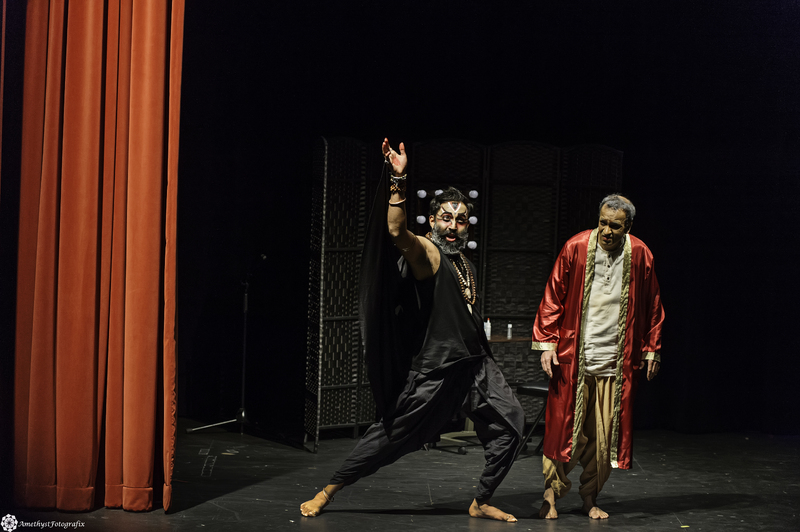
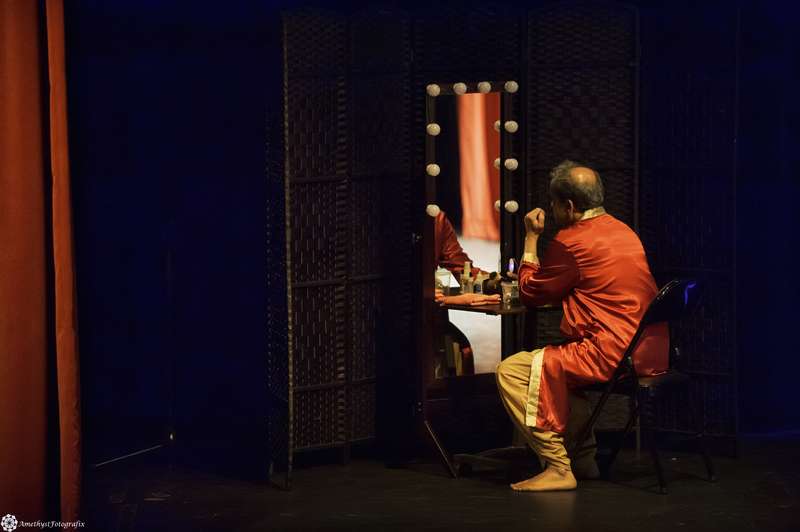
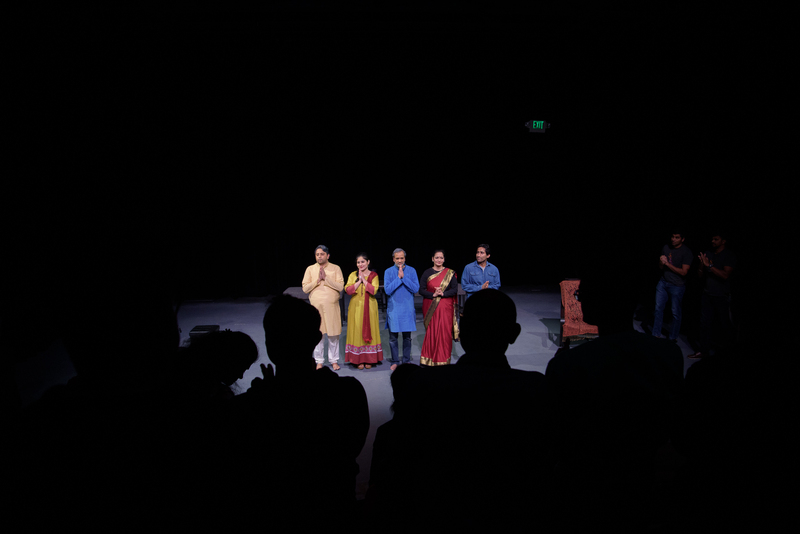
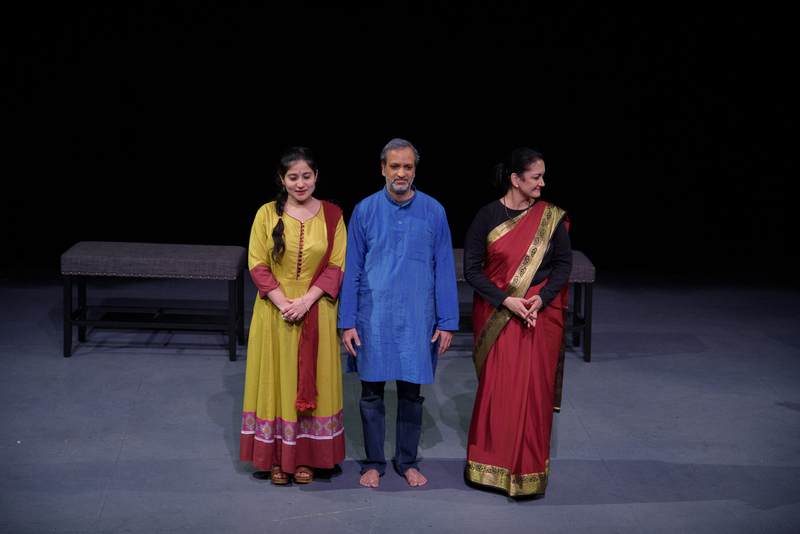
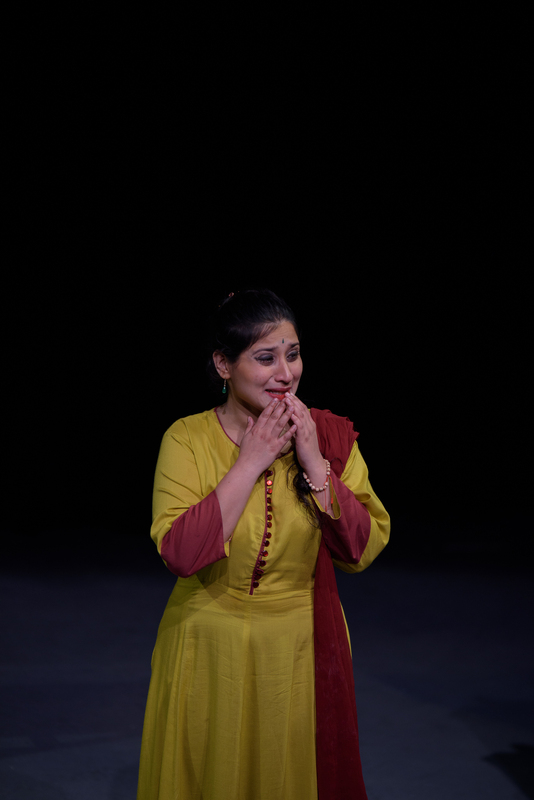
Kaumudi explores the intersections of performance, mythology, and human relationships through the story of Satyasheel, an aging and blind theatre actor known for portraying Ekalavya from the Mahabharata. As he prepares for his final performance, he is forced to collaborate with Paritosh, a younger actor set to replace him, with whom he shares a strained and unresolved past. The play draws parallels between their off-stage tensions and mythological narratives of Ekalavya and Abhimanyu, examining themes of sacrifice, legacy, and artistic truth. Influenced by literary and philosophical texts, the production reflects on the nature of theatre itself, questioning whether art reveals truth or constructs illusion.
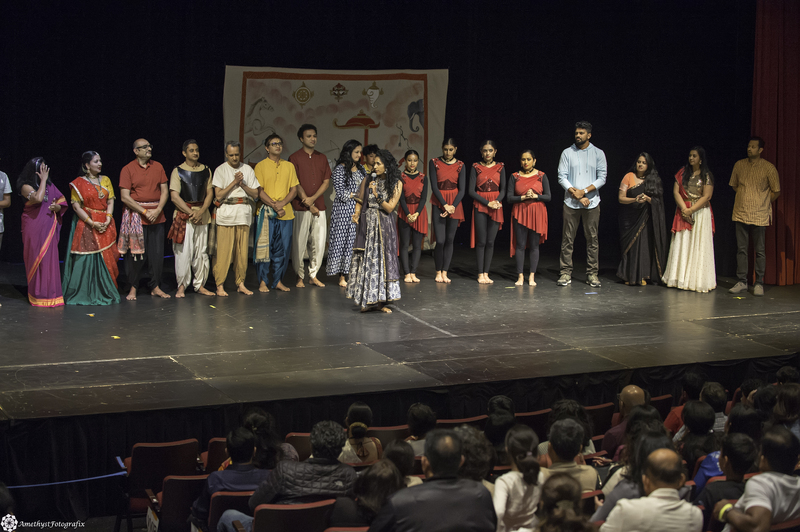
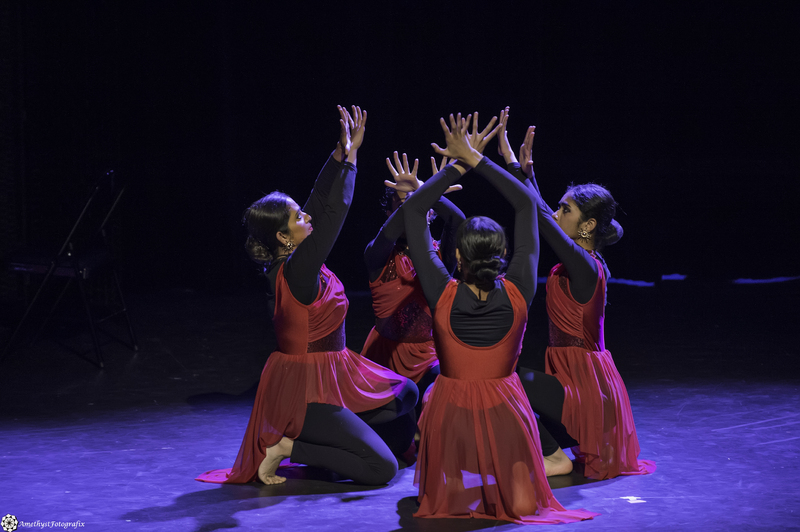
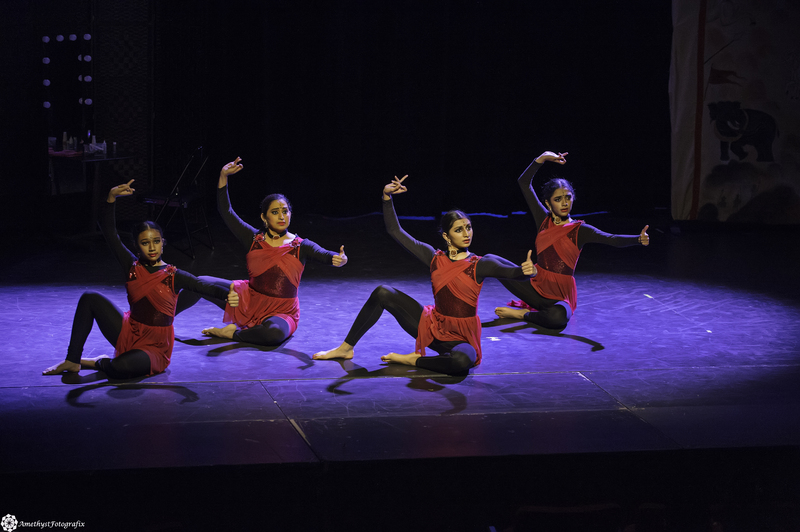
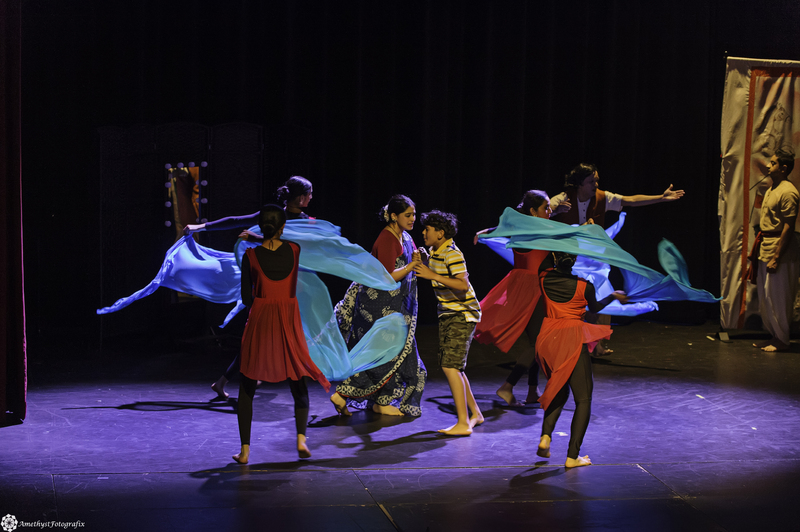
Ensemble movement sequence from Kaumudi (SoLiD Theater, 2025), featuring stylized choreography that contributes to the production’s layered visual storytelling.
Ensemble performers execute coordinated gestures in a choreographed sequence from Kaumudi, reflecting the production’s integration of theatrical and dance vocabularies.
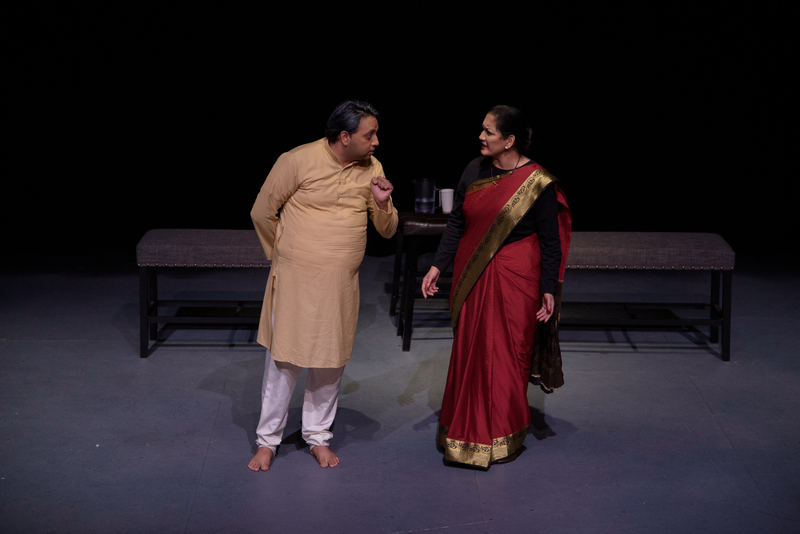
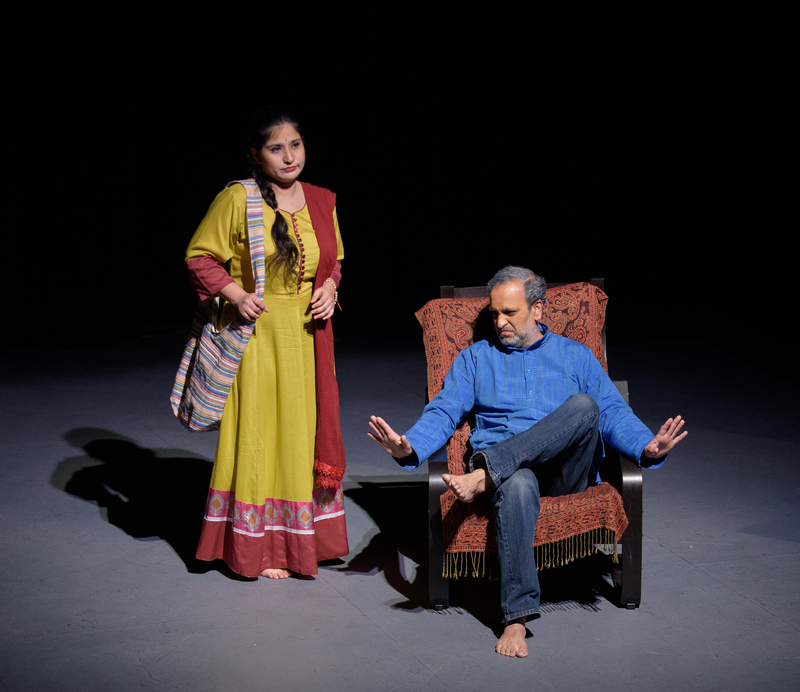
The Incomprehensible is an English adaptation of the Kannada play Atheetha, examining the blurred boundaries between justice and morality. The production interrogates how legal systems define justice while moral judgment remains shaped by faith, perception, and individual conscience. Through a series of reflective and philosophical moments, the play challenges audiences to reconsider societal norms, personal freedom, and the meaning of being “civilized,” positioning theatre as a space for ethical inquiry and self-reflection.
A scene from The Incomprehensible featuring two performers in a moment of dialogue, reflecting the play’s engagement with interpersonal conflict and moral questioning.
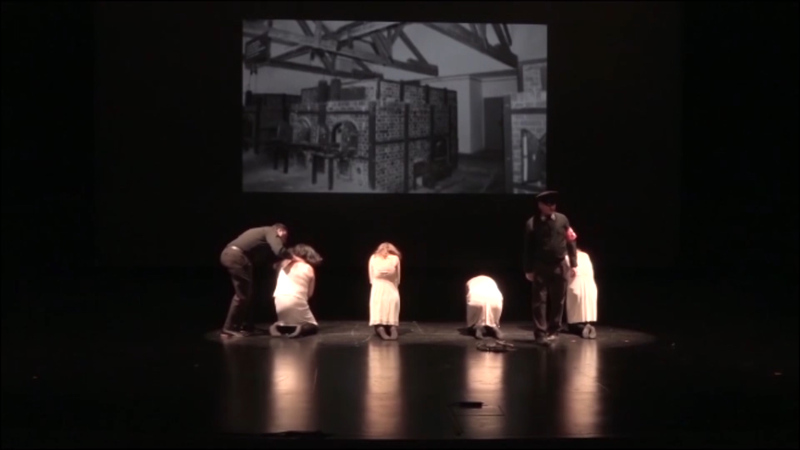
An unsung WW II hero: A young Muslim Indian girl caught up in German occupied Paris in World War II is trained by the SOE is embedded in the French resistance as one of the first radio spies of the allied command. Burnt alive in a concentration camp Noor Inayat Khan receieved both the George Cross and Le oix rouge posthmously. Four female radio spies are burned in the oven at Dachau weeks before the end of WWII.