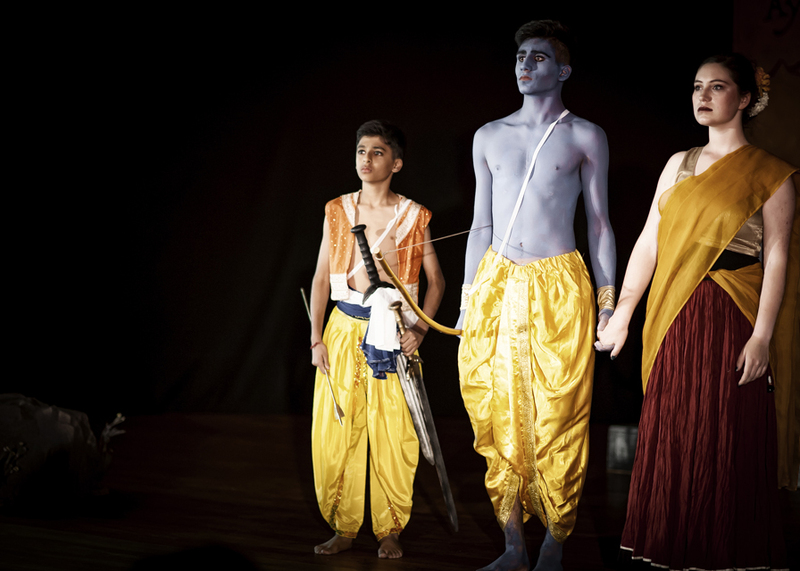
Ramayan marks Naatak’s 100th production, presenting a stage adaptation of one of South Asia’s most enduring epic narratives. Drawing from Tulsidas’s Ramcharitmanas, the production follows the story of Rama, Sita, and Ravana, bringing together themes of duty, devotion, exile, and cosmic order through an ensemble-driven performance.
The staging integrates live music, choreography, and stylized visual design, reflecting the poetic structure and rhythmic qualities of Tulsidas’s text. In translating a sacred and literary tradition to the stage, the production emphasizes performance as both storytelling and cultural transmission, connecting diasporic audiences in Silicon Valley to a foundational epic of South Asian heritage.
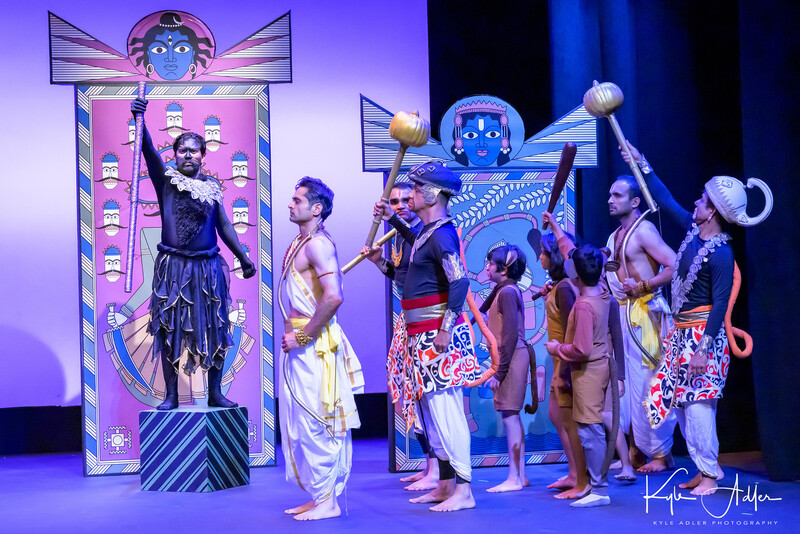
This image captures a choreographed ensemble sequence centered on Ravana, with symmetrical formation and gesture highlighting the production’s emphasis on movement, spectacle, and mythic characterization.
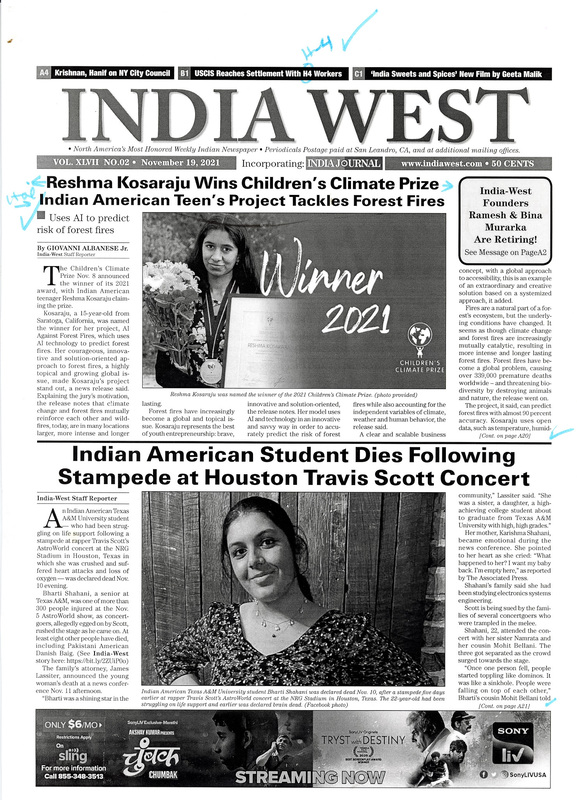
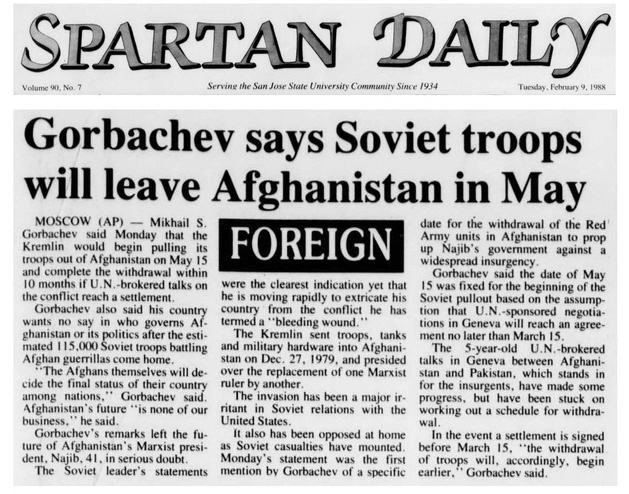
Front page and page A2 of the November 19, 2021 issue of India-West. A front-page notice directs readers to an announcement from founders Ramesh and Bina Murarka, who reflect on 46 years of publishing India-West and announce their plan to retire by the end of 2021.
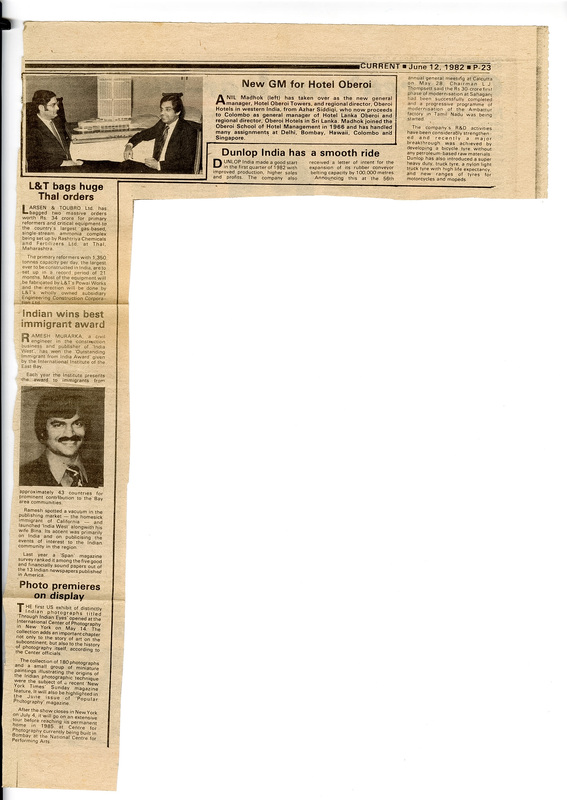
An article in the Indian publication Current reports that Ramesh Murarka, publisher of India-West, received the Outstanding Immigrant from India Award from the International Institute of the East Bay. The article describes how Ramesh and Bina Murarka founded India-West to address a gap in news coverage for Indian immigrants in California. It also notes that a Span magazine survey ranked India-West among five successful and financially sound Indian newspapers published in the United States.
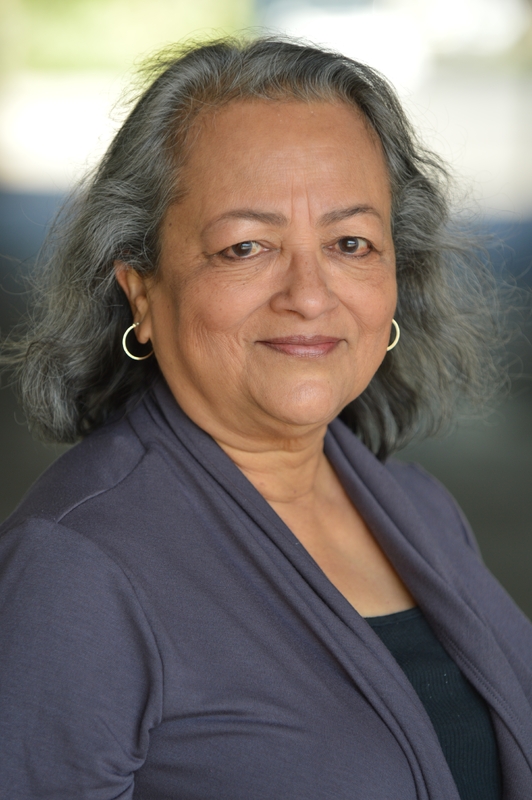
Ranjita Chakravarty wears many hats across different theater productions in the United States. In Silicon Valley's South Asian theater scene, she has been an actor, director, and playwright with equal aplomb. She has recently been a recurring guest artist in the Netflix series, Never Have I Ever.
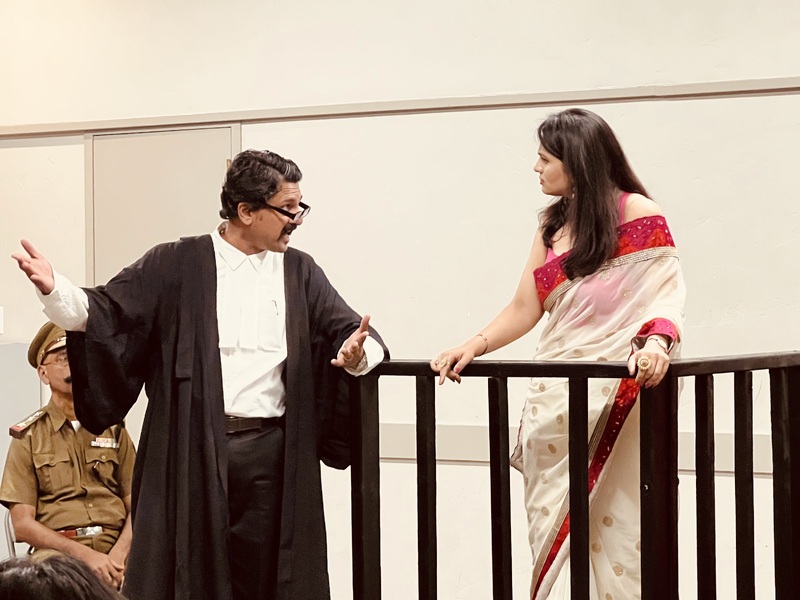
Ratra Sola January Chi reinterpreted the courtroom drama The Night of January 16th for Marathi audiences under its Sameep intimate theater initiative. The play examines the suspicious death of a powerful industrialist and the trial that ensnares his mistress, who was present at the penthouse where the incident occurred. As testimony unfolds, the narrative probes ambiguity, motive, and the instability of truth. Presented in a community room setting at Campbell Community Center, Sameep deliberately broke the traditional proscenium distance between actors and audience. With spectators seated only feet away and the Jury selected from the attendees, the courtroom exchanges became immediate and immersive, transforming viewers into near-participants in the judicial proceedings. This production exemplifies CalAA’s experimentation with spatial form while sustaining Marathi-language dramatic tradition in Silicon Valley.
Ravi Kapur — Pioneering South Asian Television in America
Ravi Kapur is a trailblazing journalist, entrepreneur, and founder of Diya TV, the first nationwide South Asian broadcast television network in the United States. Based in the Bay Area, he launched Diya TV to bring stories of the South Asian community into mainstream American media, creating a platform that celebrates heritage while addressing the issues and achievements of a rapidly growing diaspora.
Before founding Diya TV, Kapur worked as a broadcast journalist and reporter for multiple television stations in Northern California, including ABC, CBS, and NBC affiliates. His experience in both local and national broadcasting gave him the perspective to build a network that connects immigrants and first-generation South Asian Americans across cultural and geographic boundaries.
Through Diya TV, Kapur has expanded representation for millions of South Asians across the country. His leadership has helped reshape how the community is portrayed on screen, emphasizing authenticity, inclusion, and the power of shared stories. His work continues to inspire a new generation of broadcasters and journalists dedicated to telling stories that reflect the diversity of modern America.
Red Wine White Wine marked a notable engagement with contemporary social themes within Marathi-language theater. Adapted by Vikram Watave from Mike Bartlett’s West End and Off-Broadway play Cock, the work centers on a same-sex couple navigating family expectations, generational tension, and evolving definitions of identity. Balancing humor with emotional complexity, the play situates questions of acceptance and authenticity within a domestic setting. Its modern subject matter and experimental tonal shifts reflect CalAA’s willingness to engage themes that resonate strongly with younger and more diverse audiences in Silicon Valley. By presenting Red Wine White Wine, CalAA expanded the thematic scope of its repertoire, demonstrating how Marathi theater continues to evolve alongside changing social realities.
The play anticipates contemporary concerns with the use and abuse of tremendous technological power. In a musical fantasy, 'Robotana' shows powerful people grabbing wealth and resources away from poorer people who want to use a robot for good but fall short of achievement owing to lack of resources.
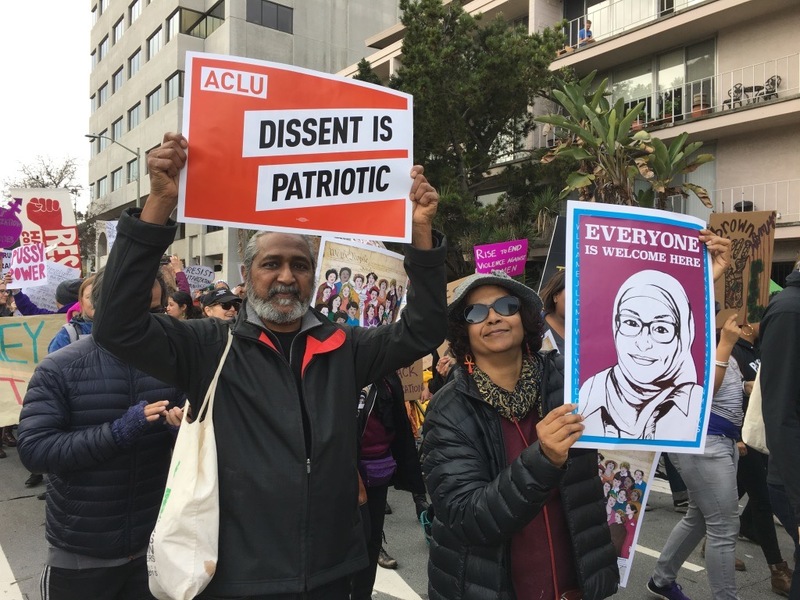
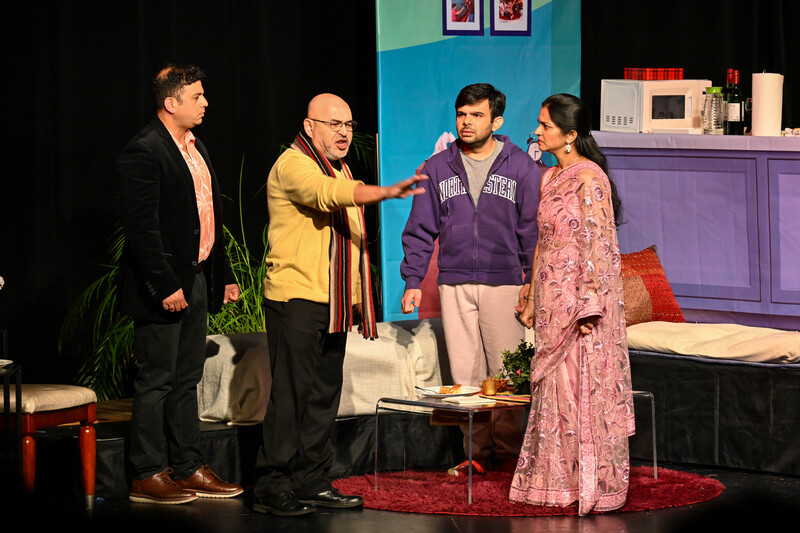
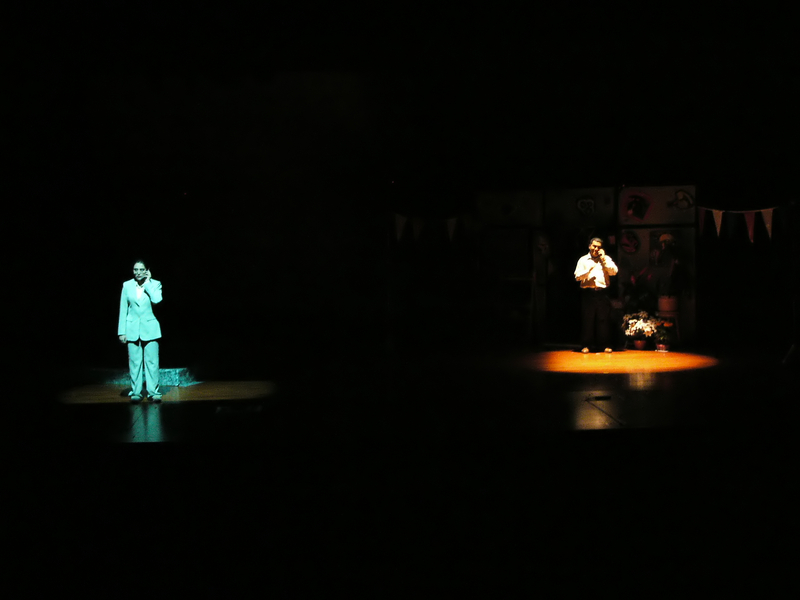
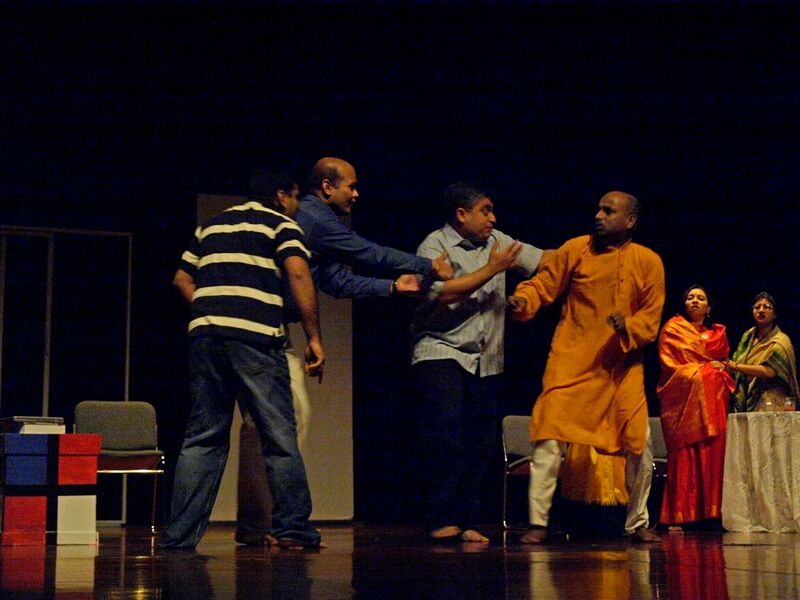
Parents of an Indian American soldier deployed in an ongoing war clash with the heady idealism of an army officer visiting from India who supports the war. The father of the soldier knows his son has fallen in service but has kept the news form his wife who will be devastated. The father's arguments with the army officer from India reach an untenable moment, to the dismay of the soldeir's unsuspecting mother and other guests, but an arrival at the door stuns everyone.