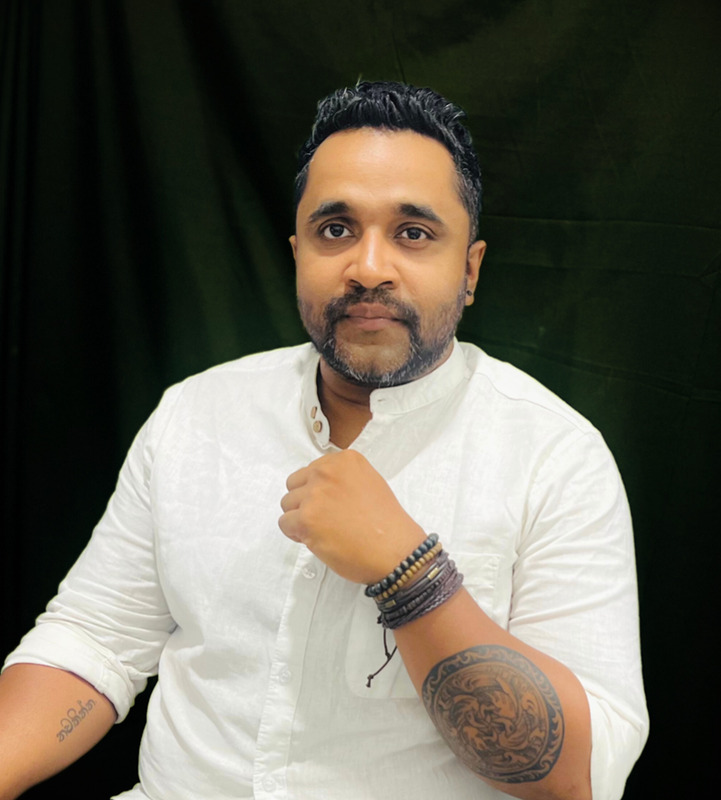
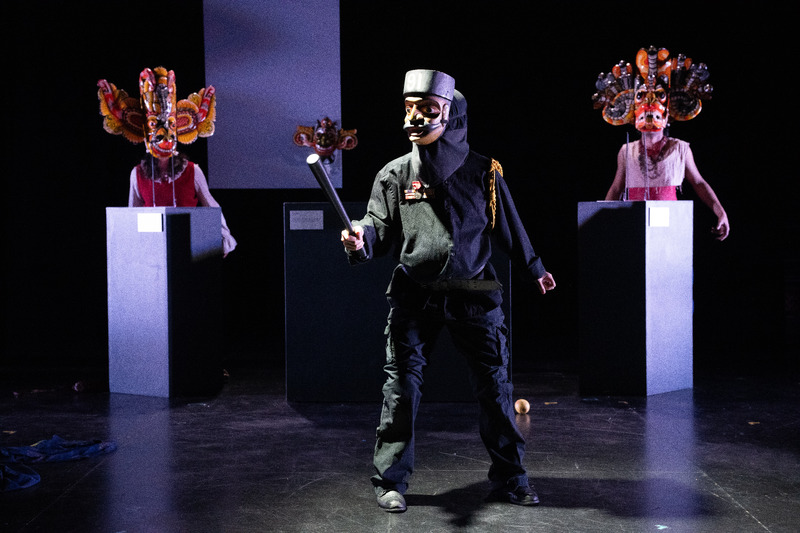
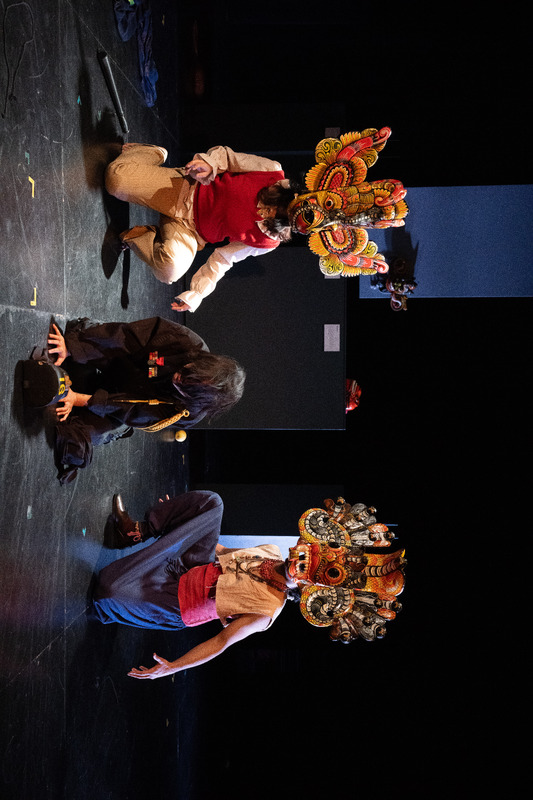
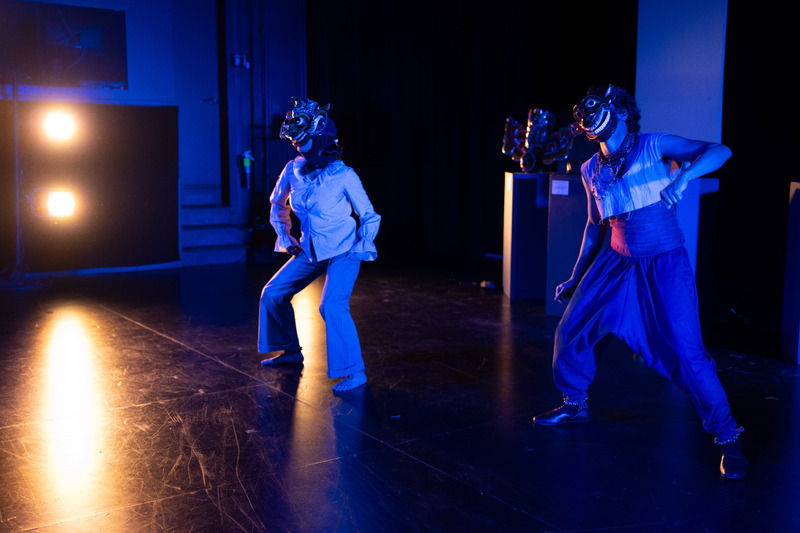
In his first production in Silicon Valley, Marlon Ariyasinghe examines the core of diasporic identity, an encounter between traditional artforms from the home country and the self-awareness about their "representation" in Western spaces. In Exorcism: A Ritual Performance (2025), Amaya, a Sri Lankan-American visits a museum where artefacts from Sri Lanka are on exhibition. By using a museum in the West as a setting and incorporating elements of Sri Lankan folklore, such as Riri Yaka and Rukada puppetry, the play draws attention to colonial history and personal diasporic identity, and examines the themes of decolonization, repatriation, and cultural restoration. Marlon Ariyasinghe is a PhD student at Stanford University.
Set in a museum and incorporating elements of Sri Lankan folklore, colonial history, and personal identity, the play examines the themes of decolonization, repatriation, and cultural restoration.
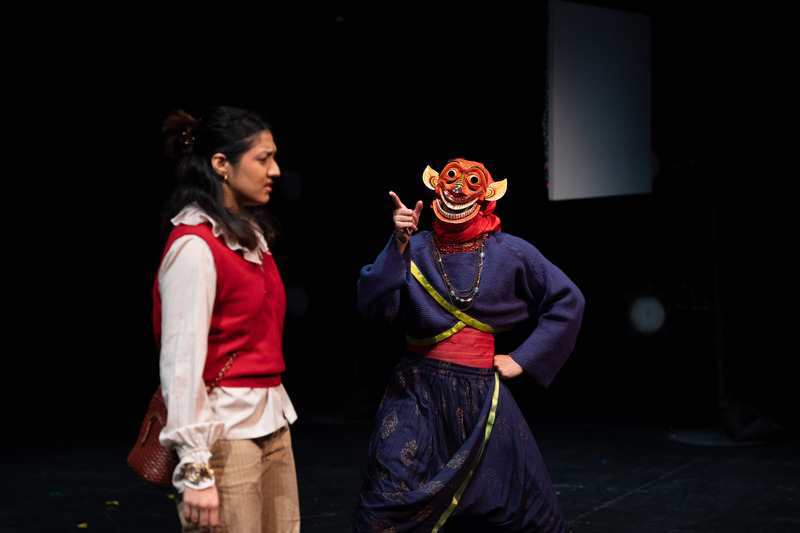
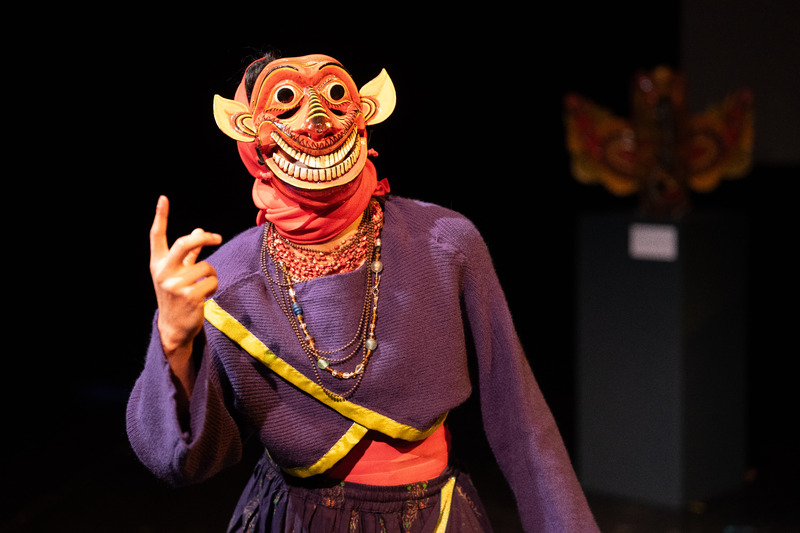
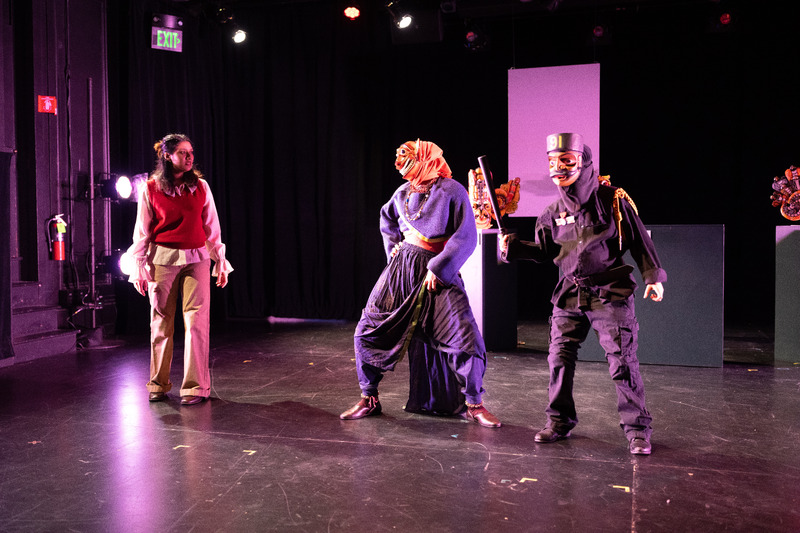
Amaya, a Sri Lankan-American visits a museum where artefacts from Sri Lanka are on exhibition. She encounters Riri Yaka, Jr, a Sri Lankan mythical demon, among the museum artifacts.
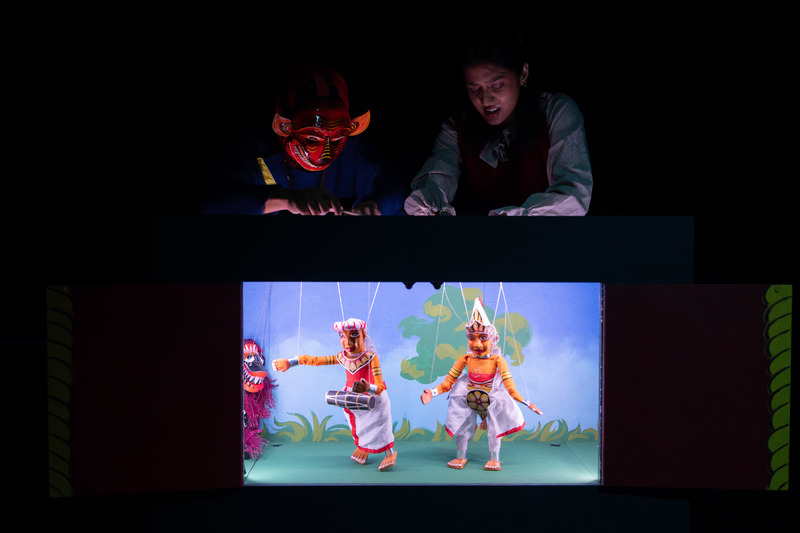
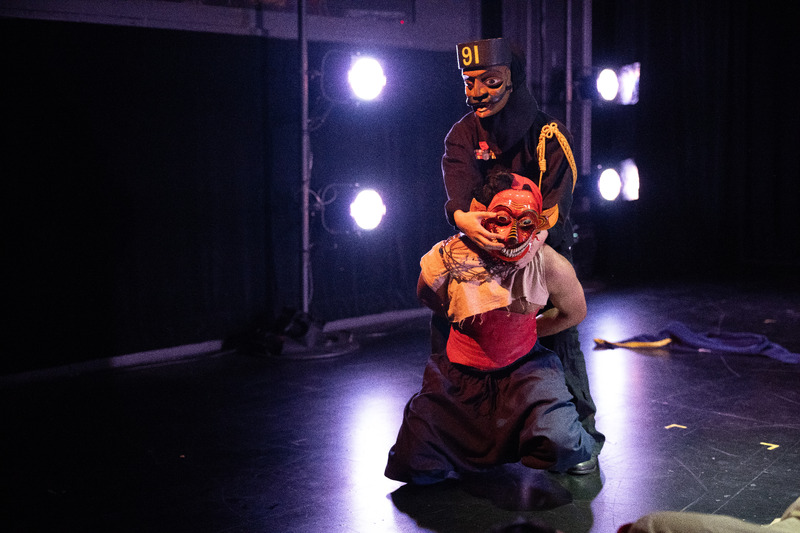
Rukada puppetry is used as a tool to critique contemporary Sri Lankan politics; a traditional form highlights the intersection between folklore and political realities.
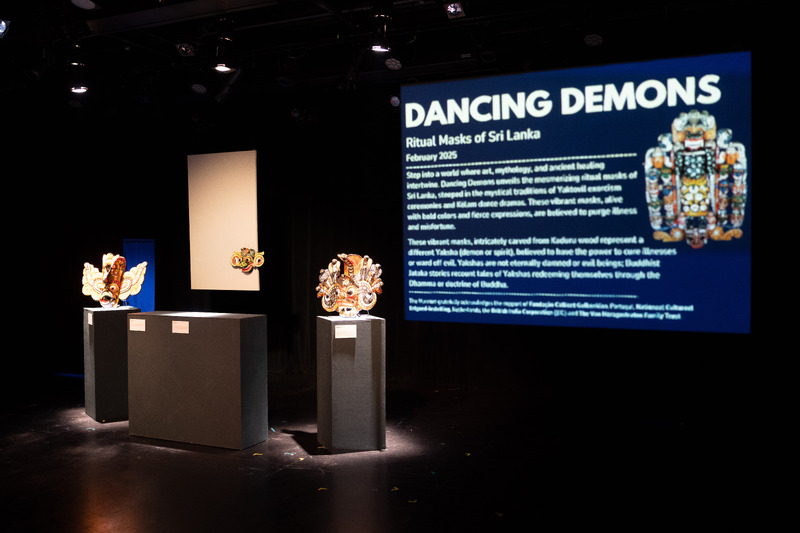
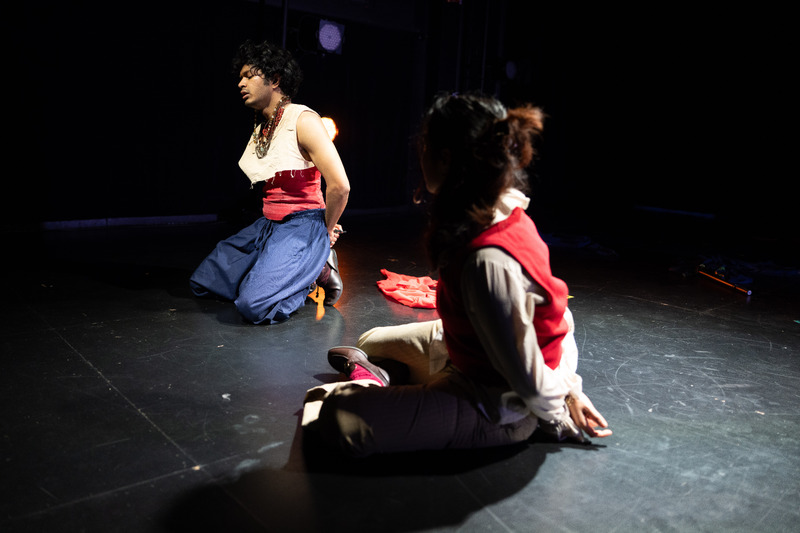
Stolen Sri Lankan cultural artefacts, such as traditional masks, in Western musuem spaces critique colonization. The integration of Kolam and Rukada masks and the embodiment of the mythical and supernatural figure of Riri Yaka, inform the moment when the fragmented identity of the diasporic Amaya recognizes the agency of cultural reclamation.
A museum space can feel like a sepulchre for performative arts and traditions; here, the brief agency of the Sri Lankans is squashed when they are relegated to becoming motionless museum artefacts.
Can the fractured identity among the diaspora become whole when they fully embrace and celebrate their roots with their feet planted in their diasporic lives?