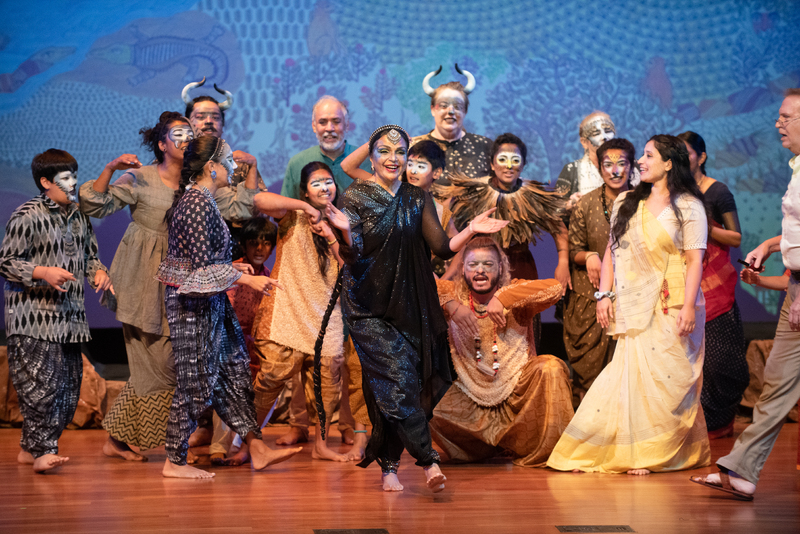
What if Kipling was to write the story of Jungle Book today? A multigenerational conservatory of writers transforms Kipling's classic into an authentic decolonised story centering identity and belonging.
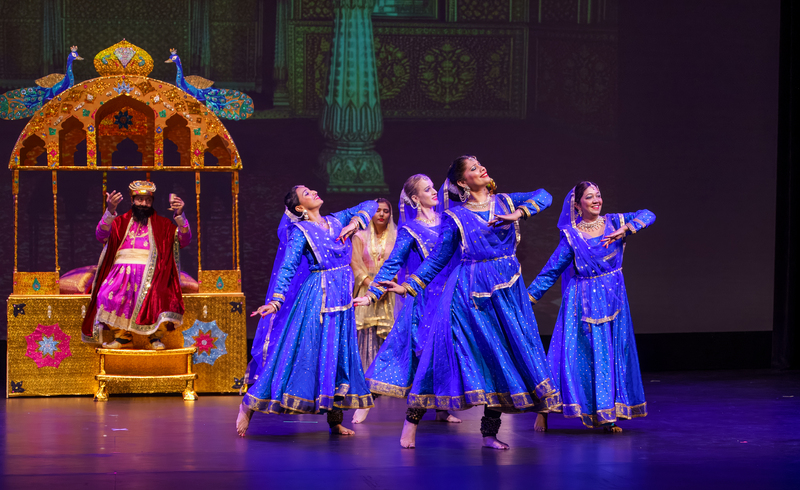
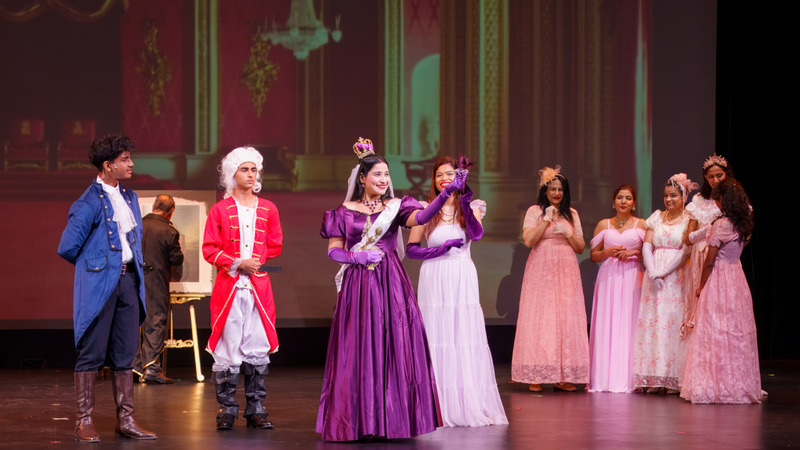
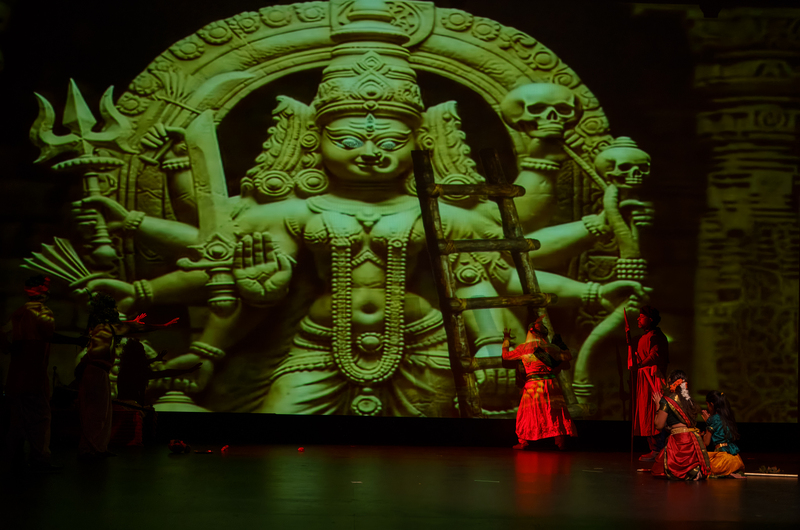
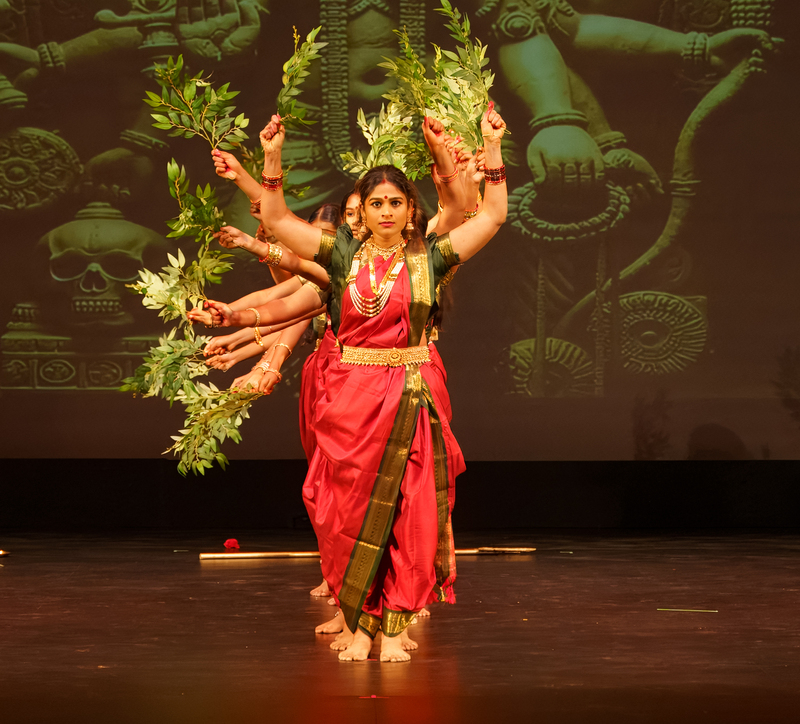
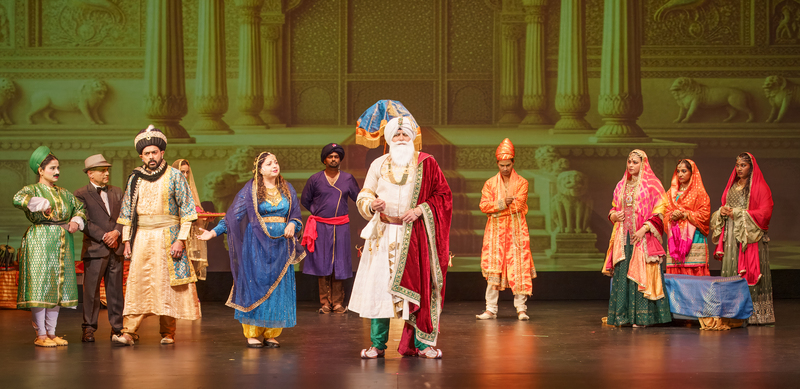
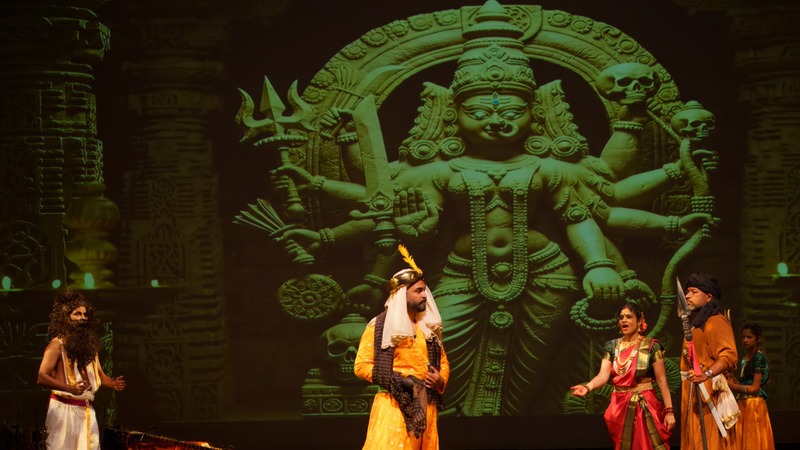
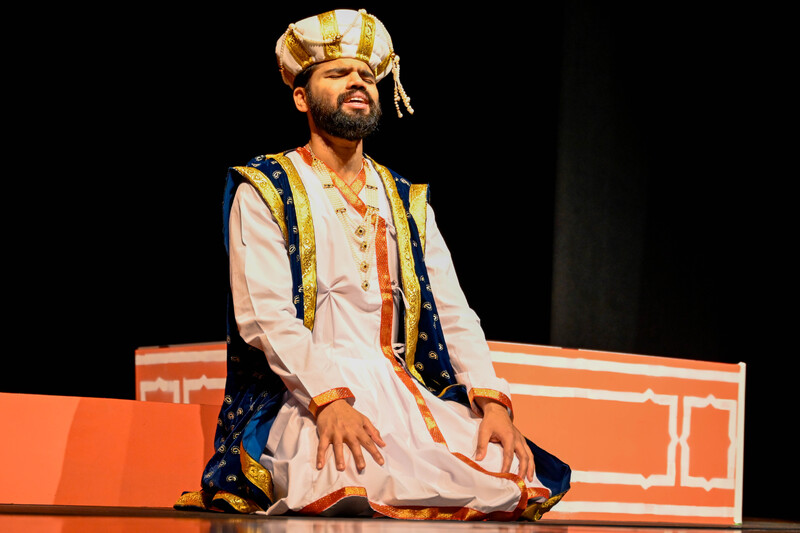
The Legend of Kohinoor traces the epic journey of the world’s most (in)famous diamond — from its origins in the Deccan (Southern part of India), through the hands of Indian and West Asian rulers, to its current place in the crown jewels of the British Empire.
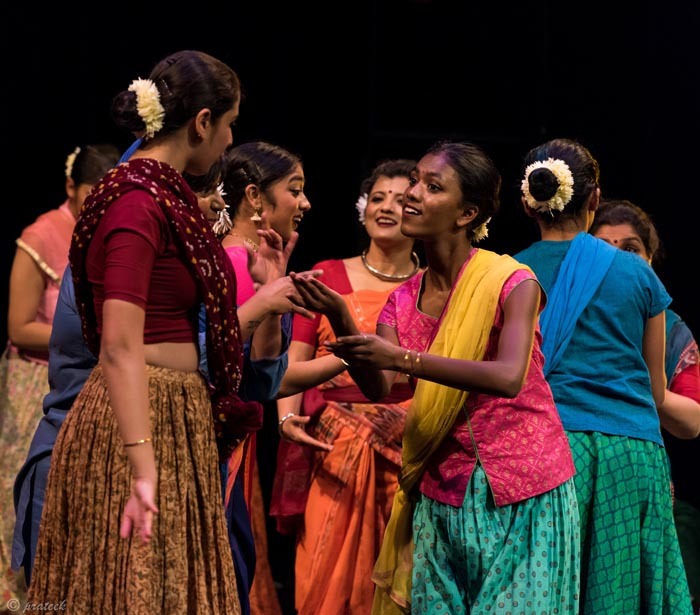
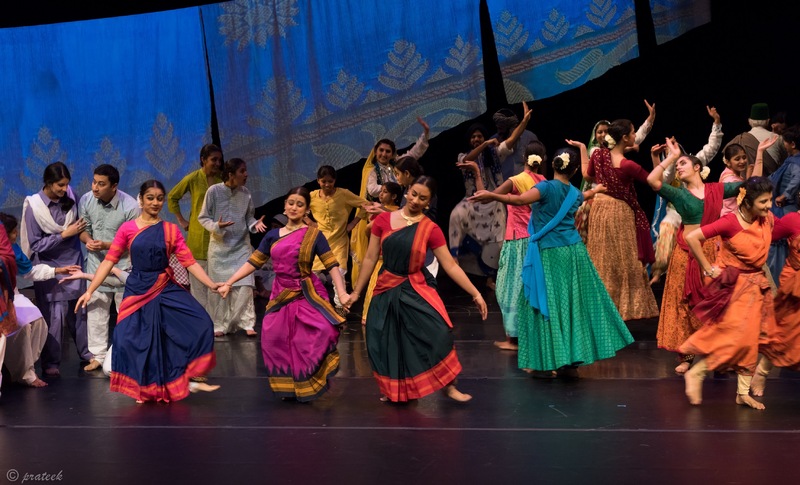
Featuring North Indian Classical (Hindustani) and South Indian Classical (Carnatic) music of India as well as a North Indian Classical dance form, Kathak, and a South Indian Classical dance form, Kuchipudi, along iwth folk and contemporary dance forms, this play showcases a wide range of dance and musical tradiitons of South Asia.
The Legend of Kohinoor traces the epic journey of the world’s most (in)famous diamond — from its origins in the Deccan (Southern part of India), through the hands of Indian and West Asian rulers, to its current place in the crown jewels of the British Empire.
Featuring North Indian Classical (Hindustani) and South Indian Classical (Carnatic) music of India as well as a North Indian Classical dance form, Kathak, and a South Indian Classical dance form, Kuchipudi, along iwth folk and contemporary dance forms, this play showcases a wide range of dance and musical tradiitons of South Asia.
The Legend of Kohinoor traces the epic journey of the world’s most (in)famous diamond — from its origins in the Deccan (Southern part of India), through the hands of Indian and West Asian rulers, to its current place in the crown jewels of the British Empire.
Featuring North Indian Classical (Hindustani) and South Indian Classical (Carnatic) music of India as well as a North Indian Classical dance form, Kathak, and a South Indian Classical dance form, Kuchipudi, along with folk and contemporary dance forms, this play showcases a wide range of dance and musical tradiitons of South Asia.
The Legend of Kohinoor traces the epic journey of the world’s most (in)famous diamond — from its origins in the Deccan (Southern part of India), through the hands of Indian and West Asian rulers, to its current place in the crown jewels of the British Empire.
Featuring North Indian Classical (Hindustani) and South Indian Classical (Carnatic) music of India as well as a North Indian Classical dance form, Kathak, and a South Indian Classical dance form, Kuchipudi, along iwth folk and contemporary dance forms, this play showcases a wide range of dance and musical tradiitons of South Asia.
The Legend of Kohinoor traces the epic journey of the world’s most (in)famous diamond — from its origins in the Deccan (Southern part of India), through the hands of Indian and West Asian rulers, to its current place in the crown jewels of the British Empire.
Featuring North Indian Classical (Hindustani) and South Indian Classical (Carnatic) music of India as well as a North Indian Classical dance form, Kathak, and a South Indian Classical dance form, Kuchipudi, along iwth folk and contemporary dance forms, this play showcases a wide range of dance and musical tradiitons of South Asia.
The Legend of Kohinoor traces the epic journey of the world’s most (in)famous diamond — from its origins in the Deccan (Southern part of India), through the hands of Indian and West Asian rulers, to its current place in the crown jewels of the British Empire.
Featuring North Indian Classical (Hindustani) and South Indian Classical (Carnatic) music of India as well as a North Indian Classical dance form, Kathak, and a South Indian Classical dance form, Kuchipudi, along iwth folk and contemporary dance forms, this play showcases a wide range of dance and musical tradiitons of South Asia.
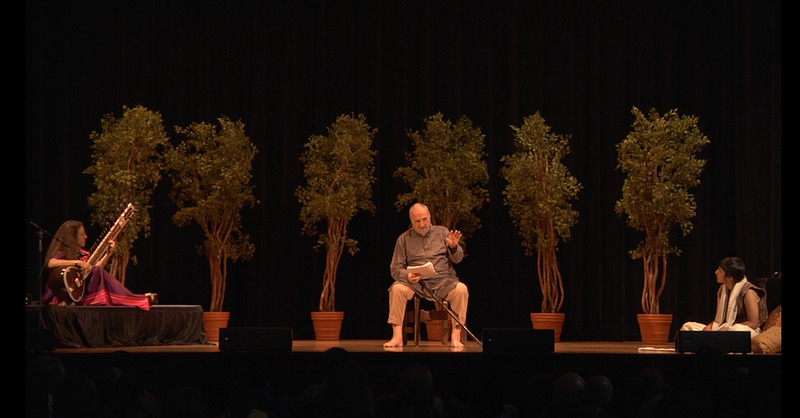
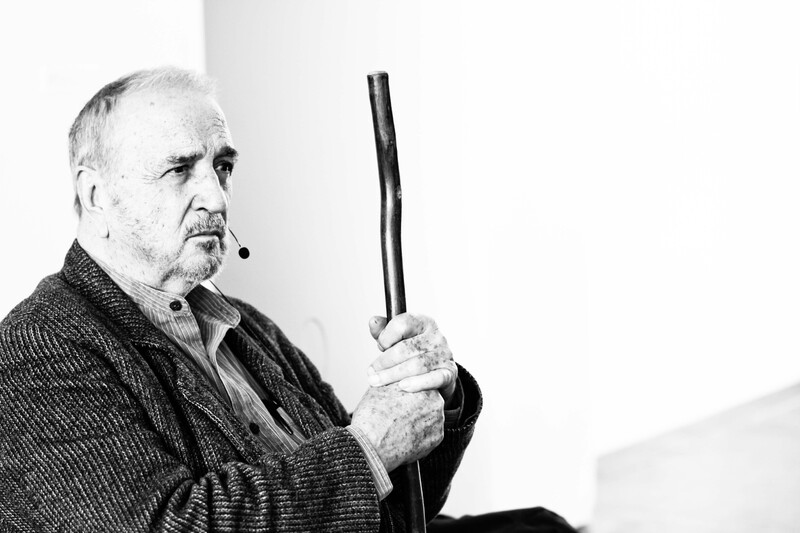
Lifetime Oscar-winning scriptwriter and playwright Jean-Claude Carrière presented a one-man retelling of the Mahabharata as a final performance of his lifetime in sold-out performances in museums, universities, schools, and theaters across America. Vyaasa recounts the story of the Mahabharata to a young Bharat to a mesmerized house-full audience at UC Berkeley.
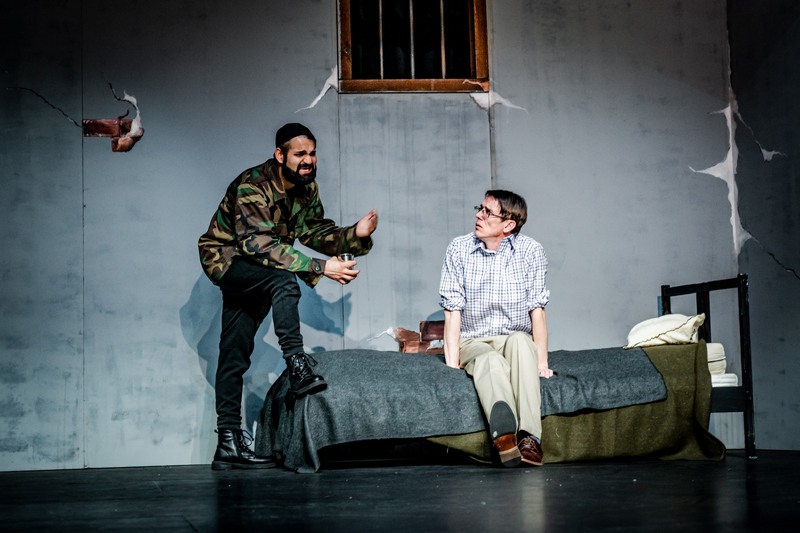
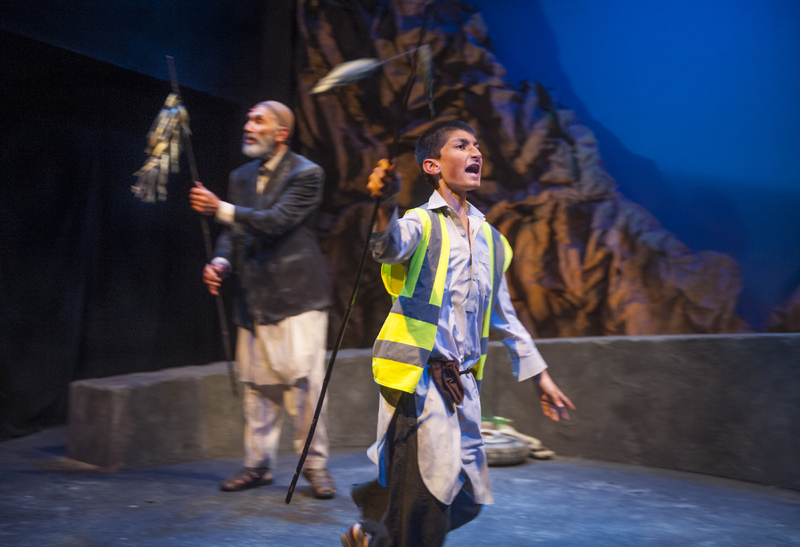
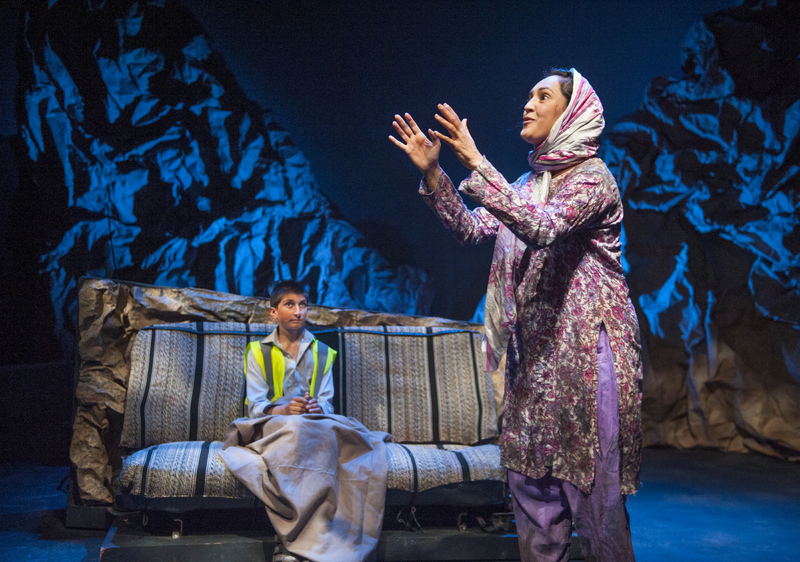
Kiran Patel (Traffic, foreground) and Terry Lamb (Zarif) in The Most Dangerous Highway in the World. The play examines survival, power, and human connection along Afghanistan’s perilous Highway 1. Directed by Evren Odcikin.
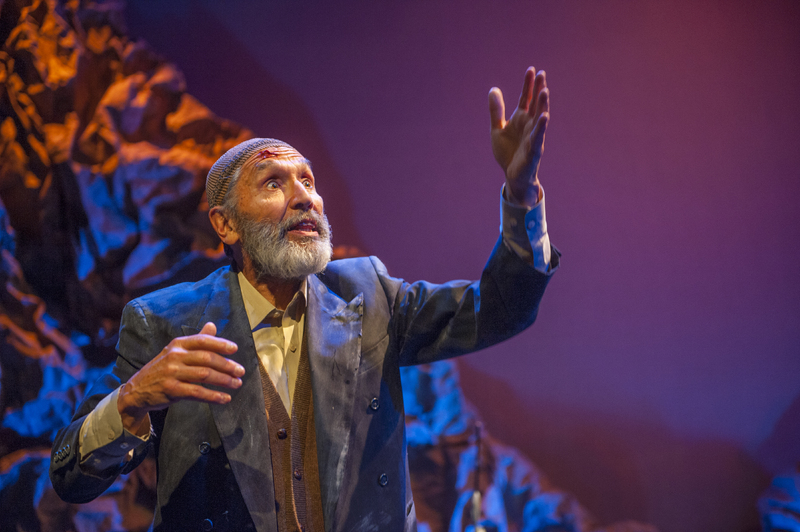
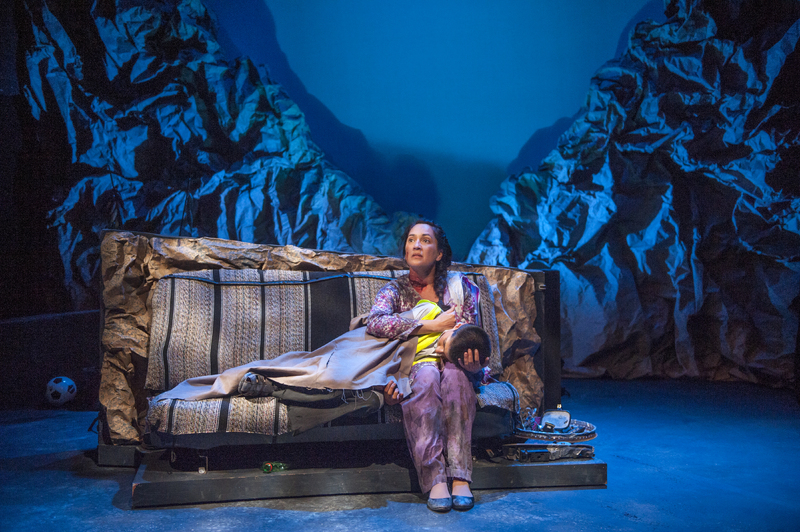
Terry Lamb as Zarif in The Most Dangerous Highway in the World, a world premiere by Kevin Artigue exploring conflict and moral ambiguity in a war-torn landscape. Directed by Evren Odcikin.
Sofia Ahmad (Samira) and Kiran Patel (Traffic) in The Most Dangerous Highway in the World. The production centers Afghan civilian voices within contemporary geopolitical conflict. Directed by Evren Odcikin.
Davern Wright (Nader, left) and Kiran Patel (Traffic) in The Most Dangerous Highway in the World, a drama set against the volatile terrain of Afghanistan’s Highway 1. Directed by Evren Odcikin.
Sofia Ahmad (Samira) and Kiran Patel (Traffic) in The Most Dangerous Highway in the World. The play foregrounds personal stakes amid political instability. Directed by Evren Odcikin.
Louel Señores (Daoud, left), Davern Wright (Nader, center), and Kiran Patel (Traffic) in The Most Dangerous Highway in the World, a world premiere directed by Evren Odcikin.
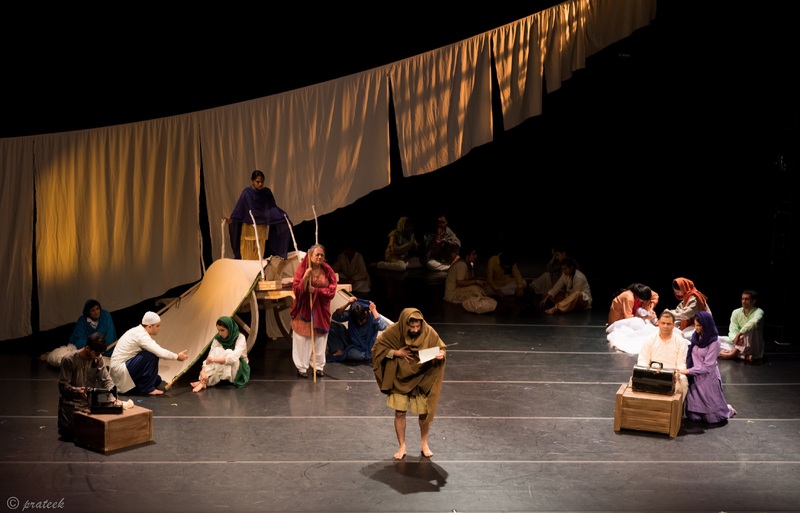
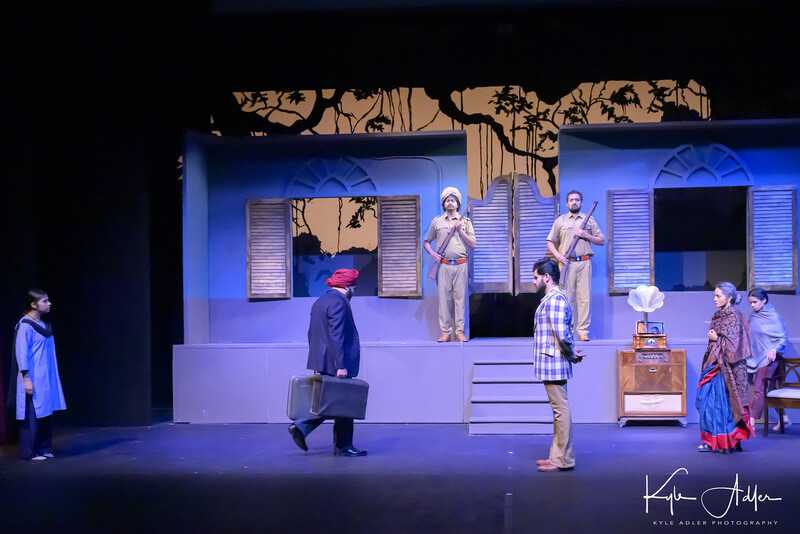
The aftermath of the callous drawing of the Radcliffe line dividing India into two countries is explored through the brutality and compassion experienced by six varied families on both sides of the border. The play opens with scenes of village life in which various communities coexist peacefully.
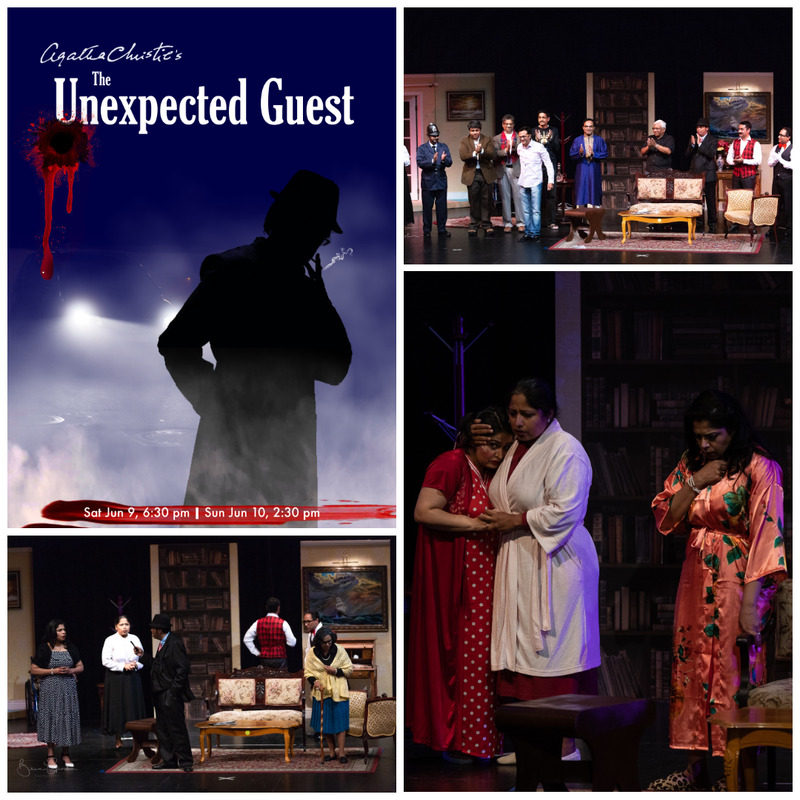
BAAT’s inaugural production presented Agatha Christie’s The Unexpected Guest, an original English-language stage mystery that opened in London’s West End in 1958. Directed by Anindya Chakraborty, the production marked the company’s entry into full-scale theatrical staging and its engagement with the global tradition of detective drama.
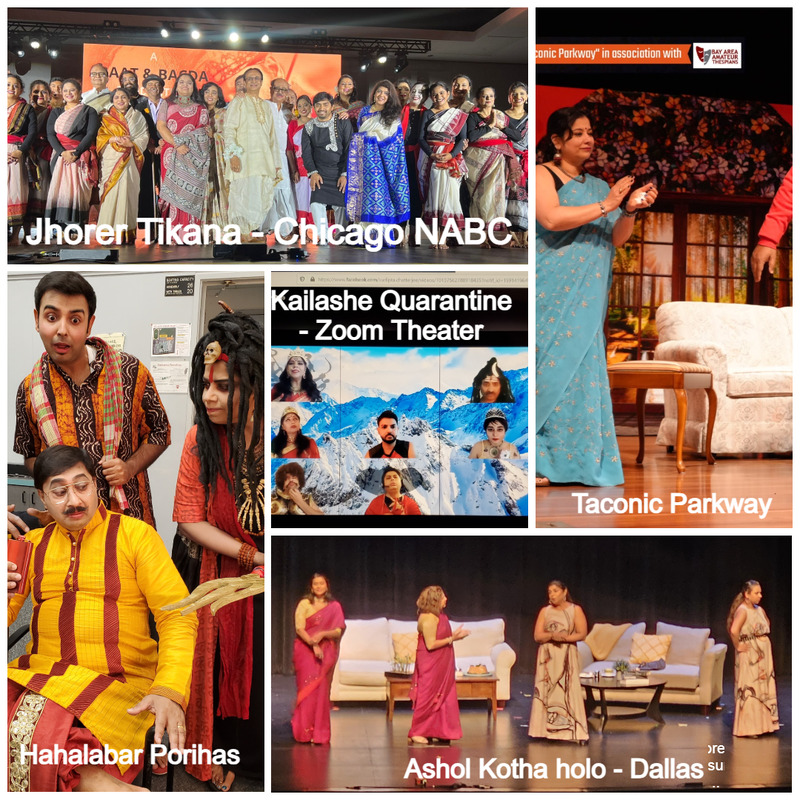
This collage documents BAAT’s performances beyond the Bay Area, including cities such as Dallas and Chicago, as well as its pivot to virtual theater during the COVID-19 pandemic.
Tughlaq revisited Girish Karnad’s landmark historical drama, presented in Marathi through Vijay Tendulkar’s adaptation. The play examines the reign of Muhammad bin Tughlaq, the fourteenth-century Sultan of Delhi, whose ambitious reforms and radical political experiments earned him a reputation as both visionary and tyrant. Often remembered as a “mad king,” Tughlaq’s decision to shift the capital from Delhi to Daulatabad, introduce currency reforms, and restructure governance exposed the fragile balance between idealism and political pragmatism. Karnad’s text portrays a ruler deeply invested in philosophy, poetry, and intellectual debate, yet increasingly isolated by mistrust and unintended consequences.
Tuzhi Mazhi Jodi reimagined Neil Simon’s iconic comedy The Odd Couple within a Marathi cultural framework. While the original centers on two mismatched male roommates, this adaptation introduced a gendered twist: the messy and disorderly roommate was reconfigured as a woman, subverting audience expectations and refreshing the dynamic of domestic incompatibility. The play explores friendship, cohabitation, and clashing personalities through sharp dialogue and situational humor. By altering the gender dynamics while preserving the comedic structure, the adaptation highlights how classic Western texts can be reshaped to resonate within regional language theater and diasporic audiences.
Vilayat Mahal is a Naatak original play inspired by the real-life story of a woman who claimed royal lineage as the descendant of Wajid Ali Shah, the last nawab of Oudh. Set in 1970s India, the narrative follows her arrival in a public railway waiting room and her assertion of identity, status, and historical legitimacy in the face of skepticism and bureaucracy. Blending historical reference with theatrical invention, the play unfolds as a tragicomedy that examines questions of power, displacement, and recognition. Through its portrayal of a self-fashioned royal household negotiating modern state structures, the production reflects on postcolonial identity and the persistence of memory and myth within South Asian histories.