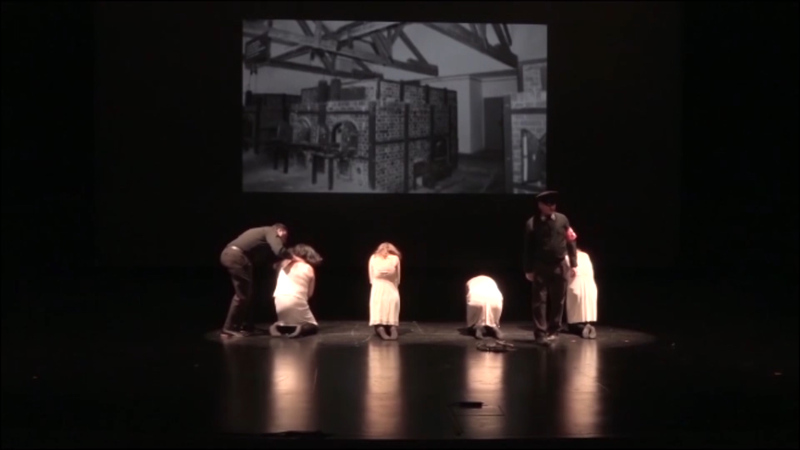
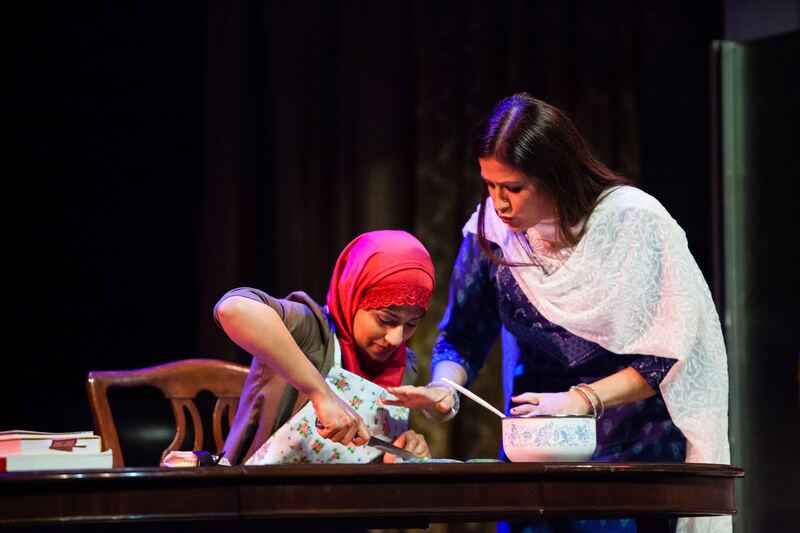
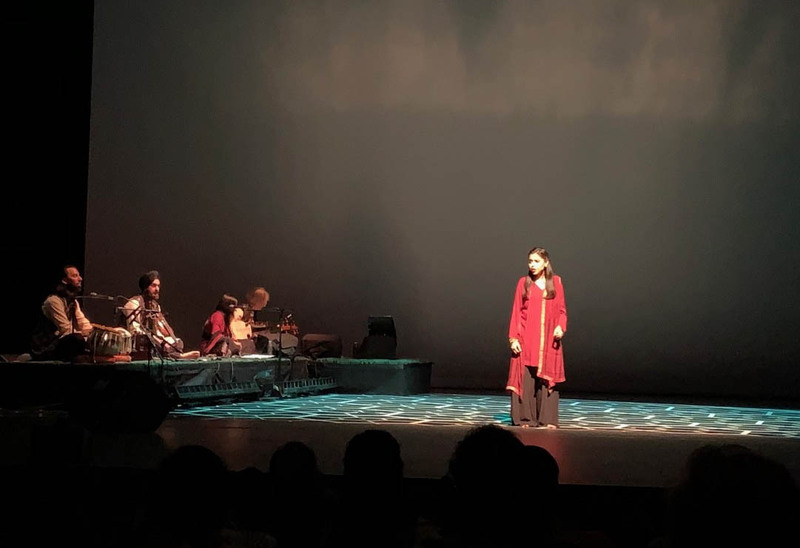
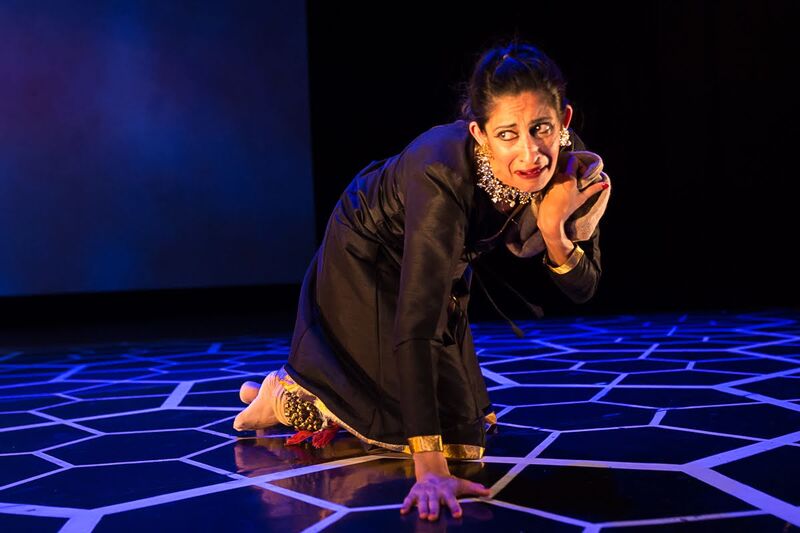
An unsung WW II hero: A young Muslim Indian girl caught up in German occupied Paris in World War II is trained by the SOE is embedded in the French resistance as one of the first radio spies of the allied command. Burnt alive in a concentration camp Noor Inayat Khan receieved both the George Cross and Le oix rouge posthmously. Four female radio spies are burned in the oven at Dachau weeks before the end of WWII.
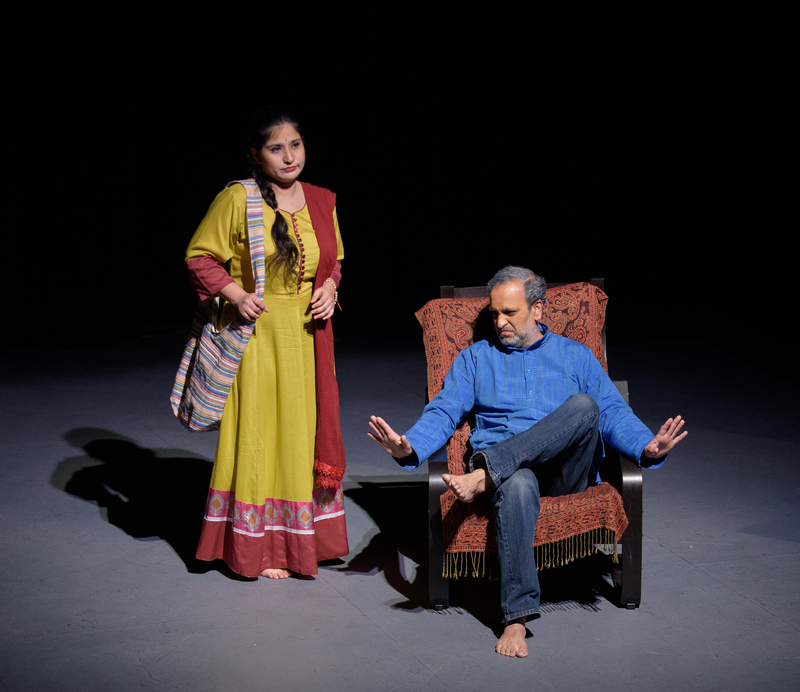
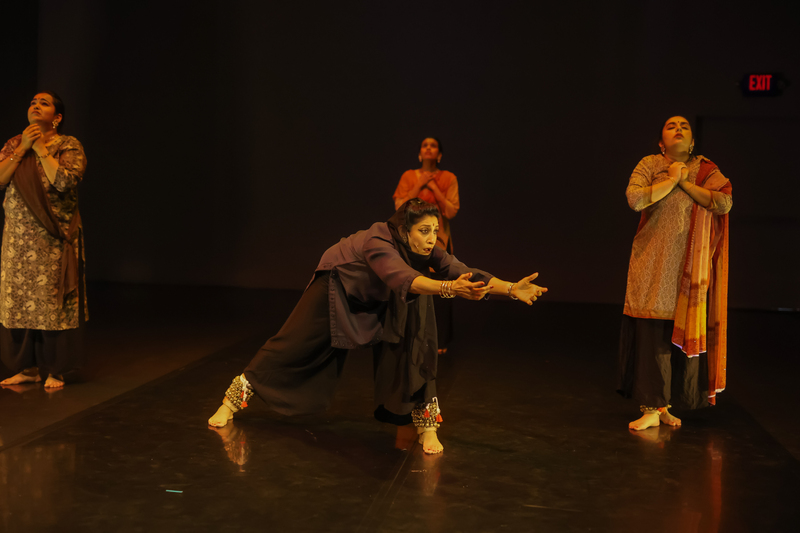
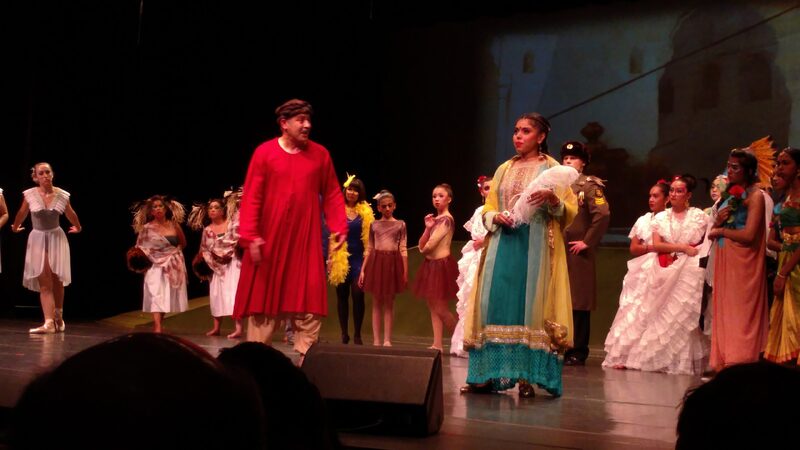
The production portrays the impact of the 1947 Partition of India into two independent nation states, India Based on excerpts of the poem by the great Pakistani Urdu poet, Faiz Ahmed Faiz, questioning the outcome of the 1947 Partition of India and Pakistan, and the “dawn” that came from the anticipated “freedom,” this piece asks: “Is this the dawn that we all ached for? No, this is not that one.” Pakistan.
Sultana Daku is a Naatak original musical based on the historical figure of Sultana Daku, a notorious bandit active in North India in the early twentieth century. Adapted from The Confession of Sultana Daku, the play traces his rise to notoriety through raids, evasion, and eventual capture by British colonial authorities in 1924. Blending historical narrative with theatrical spectacle, the production incorporates live music, dance, and elements of swang performance to evoke the cultural landscape of 1920s India. Through its portrayal of outlaw heroism and colonial policing, the play engages questions of resistance, myth-making, and popular memory within South Asian storytelling traditions.
Adapted from Dharamvir Bharati’s celebrated novella, Suraj Ka Satwan Ghoda unfolds through a series of interwoven love stories narrated by Manik Mulla, whose storytelling blurs the boundaries between memory, fiction, and interpretation. Set against the rhythms of everyday life, the narrative moves fluidly across time and perspective, resisting definitive conclusions about love, truth, and human relationships. The play’s episodic structure and layered narration foreground the act of storytelling itself, a form deeply embedded in South Asian literary and oral traditions. In performance, Naatak brings this narrative complexity to the stage through ensemble work, music, and shifting tonal registers, reflecting both the intimacy and ambiguity of lived experience.
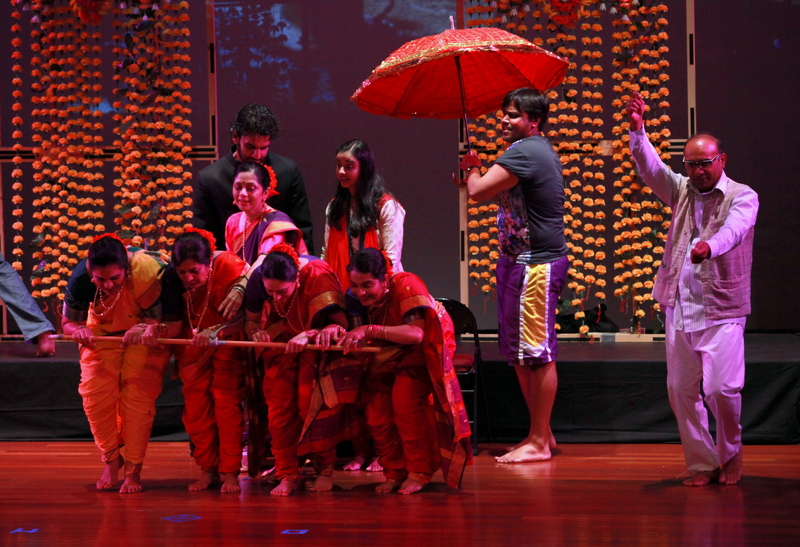
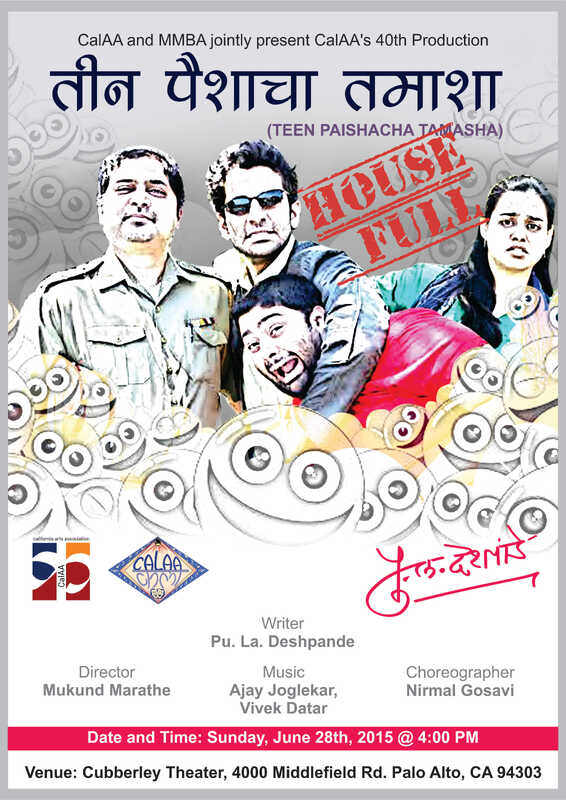
The staging of Teen Paishacha Tamasha marked CalAA's 40th production and was presented at the Cubberley Theater in Palo Alto. Adapted into Marathi by Pu. La. Deshpande, the play reinterprets Brecht and Weill’s The Threepenny Opera through the idiom of Marathi musical satire. Retaining the original’s critique of corruption, capitalism, and moral duplicity, Deshpande’s adaptation situates the narrative within a culturally resonant linguistic and performative framework.
The poster announces CalAA’s 2015 staging of 'Teen Paishacha Tamasha', an adaptation of 'The Threepenny Opera', and marked its 40th production. The poster’s bold “House Full” stamp underscores the production’s popularity, reflecting both the enduring appeal of Brechtian satire and the vitality of Marathi musical theater in Silicon Valley.
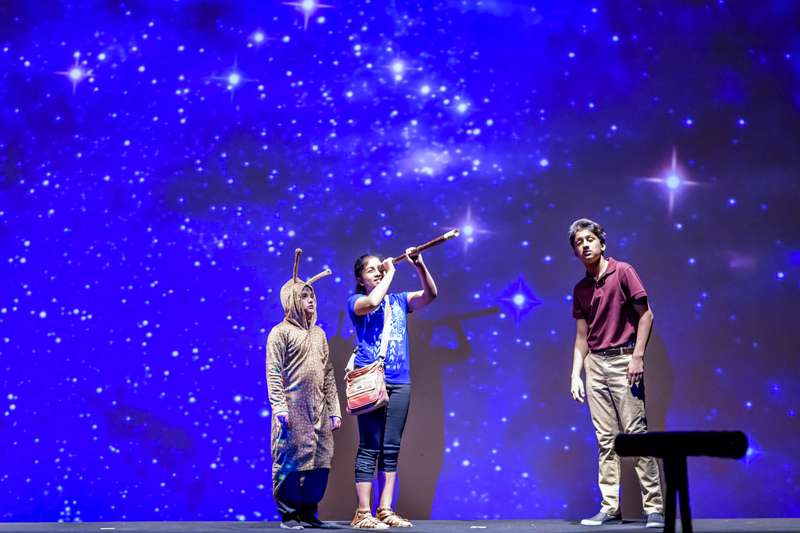
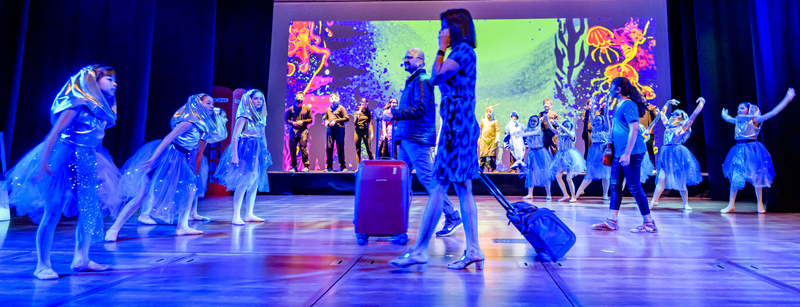
Eleven year old Ayesha is recruited by the queen of the oceans to discover why the bioluminiscent phyto plankton are dying in this Harry Potter meets Dan Brown Young Adult escapade.
Ayesha, her snarky snail sidekick Caro, and her cousin Xander search the galaxies for the portal connecting the firefish to the aliens.
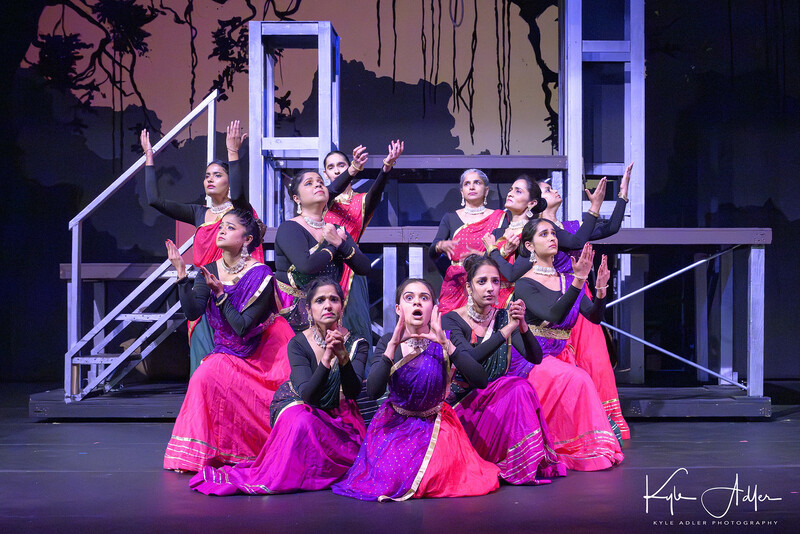
A scene from The Conference of the Birds, which is an ensemble-driven stage adaptation of Attar’s poem in which a group of travelers, guided by the hoopoe, undertake a symbolic journey through trials that strip away ego, fear, and illusion, ultimately revealing that the divine they seek is a reflection of their own collective self.
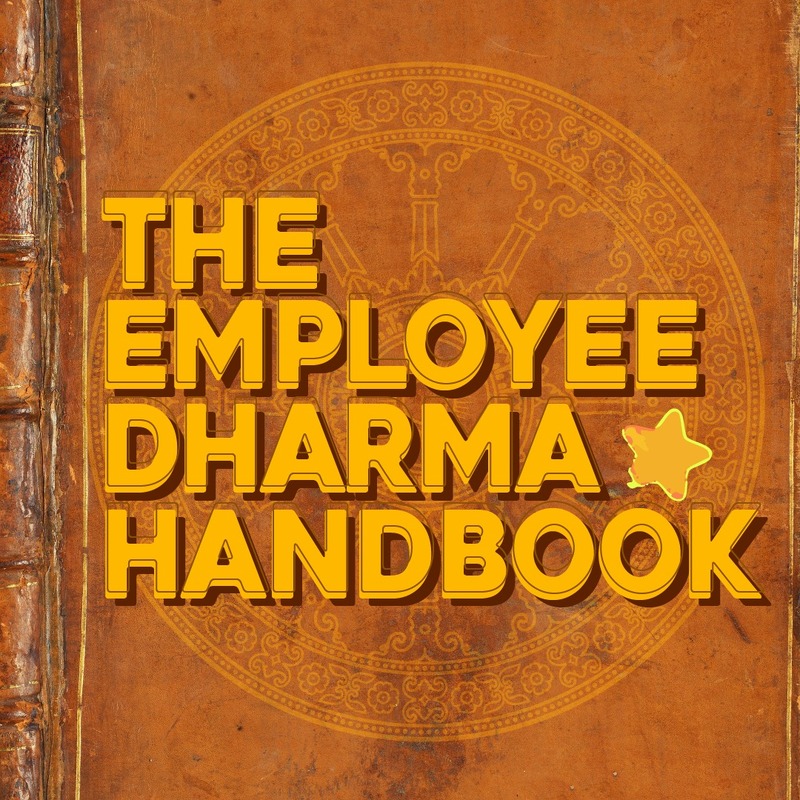
Promotional graphic created for the staged reading of The Employee Dharma Handbook at TheatreWorks Silicon Valley’s 2025 New Works Festival. Set at a Silicon Valley aerospace company on the brink of a major rocket launch, the play follows Val, an HR executive who suspects that Leela, a young Indian American engineer, has been denied a promotion due to bias. As corporate leadership navigates pressure, loyalty, and reputation, questions of sexism, hierarchy, and immigrant identity surface. Drawing on the concept of dharma, the work interrogates competing obligations to self, community, and institution within contemporary tech culture.
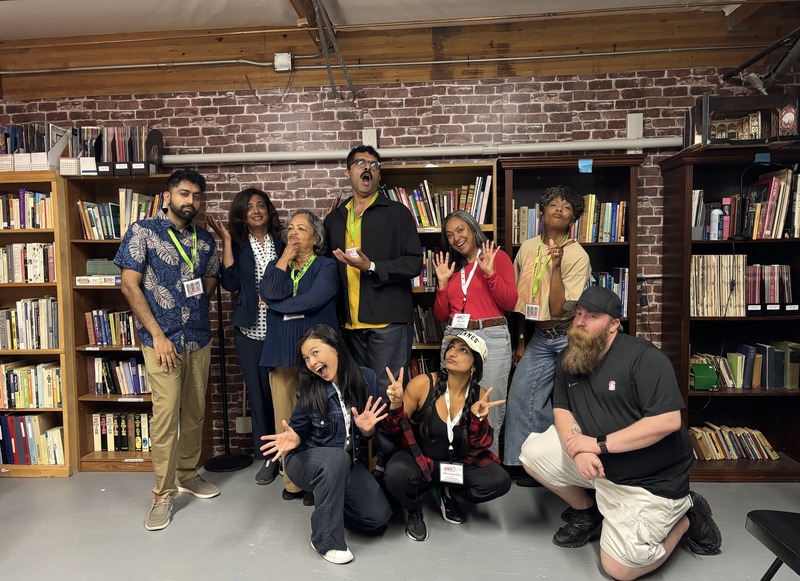
Cast members pose during rehearsal for the 2025 New Works Festival staged reading of The Employee Dharma Handbook. Developed in TheatreWorks’ Redwood City rehearsal space, the ensemble collaborated to shape the rhythm, tone, and interpersonal dynamics of Reddy’s workplace drama. Set within a high-pressure aerospace company, the play explores promotion, bias, and the layered hierarchies that structure corporate life in Silicon Valley. Through rehearsal, performers navigated questions of immigrant identity, gender politics, and ethical responsibility, foregrounding the concept of dharma as both a philosophical and professional framework.
Cast members pose during rehearsal for the 2025 New Works Festival staged reading of The Employee Dharma Handbook. Developed in TheatreWorks’ Redwood City rehearsal space, the ensemble collaborated to shape the rhythm, tone, and interpersonal dynamics of Reddy’s workplace drama. Set within a high-pressure aerospace company, the play explores promotion, bias, and the layered hierarchies that structure corporate life in Silicon Valley. Through rehearsal, performers navigated questions of immigrant identity, gender politics, and ethical responsibility, foregrounding the concept of dharma as both a philosophical and professional framework.
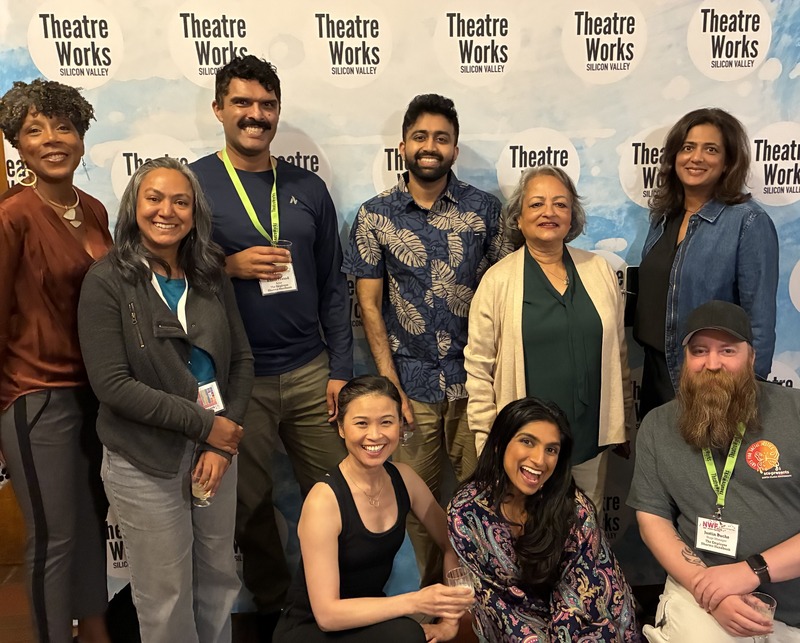
Cast members gather in rehearsal for the 2025 New Works Festival staged reading of The Employee Dharma Handbook. Pictured left to right: Kartic Bhargav, Geetha Reddy, Ranjita Chakravarty, Kunal Prasad, Reena Dutt, and Kathryn Smith McGlynn. Bottom row: Karen Law, Nikita Chaudhry, and Justin Buchs. Developed in a collaborative rehearsal setting, the reading brought together performers from diverse backgrounds to explore Reddy’s Silicon Valley–set drama. Through humor and tension, the play interrogates workplace bias, immigrant identity, and competing interpretations of professional and personal duty.
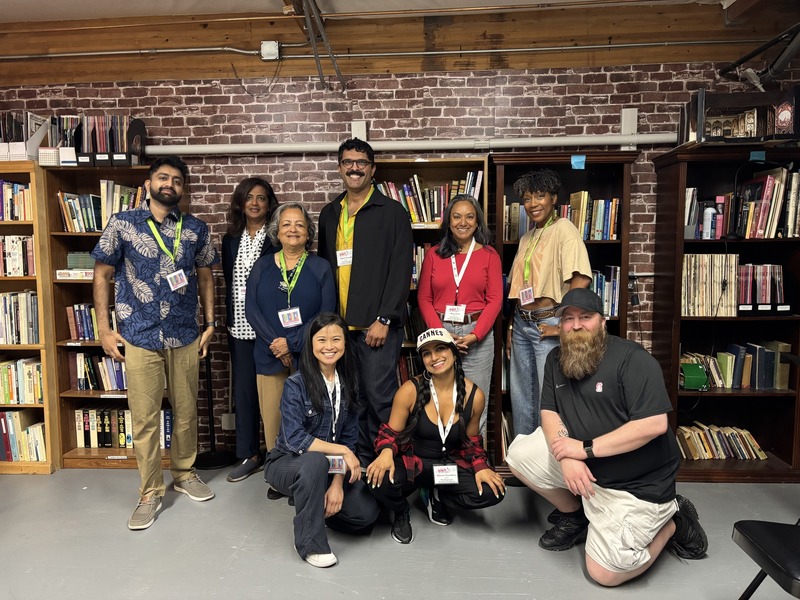
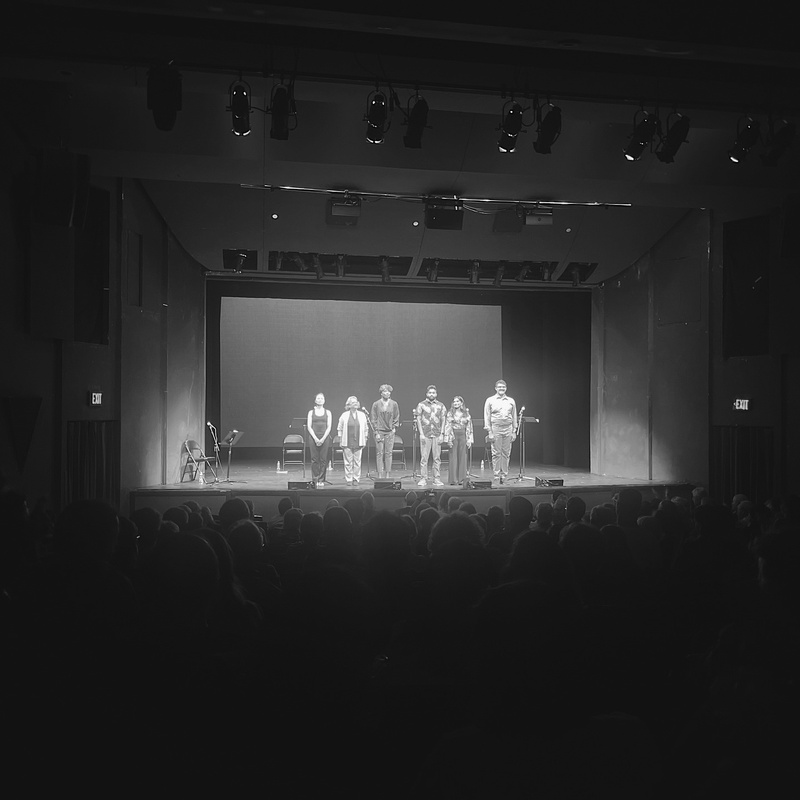
The cast takes their bows following the August 2025 New Works Festival staged reading at Lucie Stern Theatre in Palo Alto. Presented before a live audience, the reading marked a key public moment in the development of Geetha Reddy’s Silicon Valley–set drama. The work examines workplace bias, corporate hierarchy, and competing interpretations of professional and personal duty within a high-pressure aerospace environment. rehearsal process to a shared public experience.
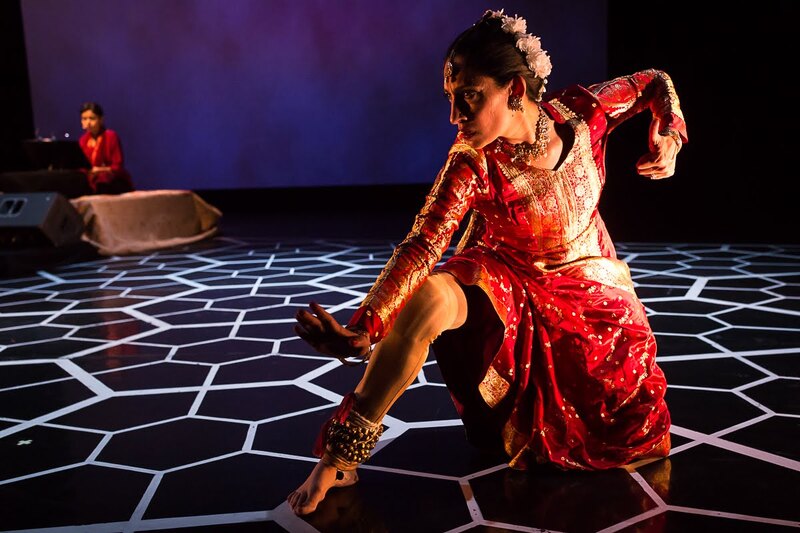
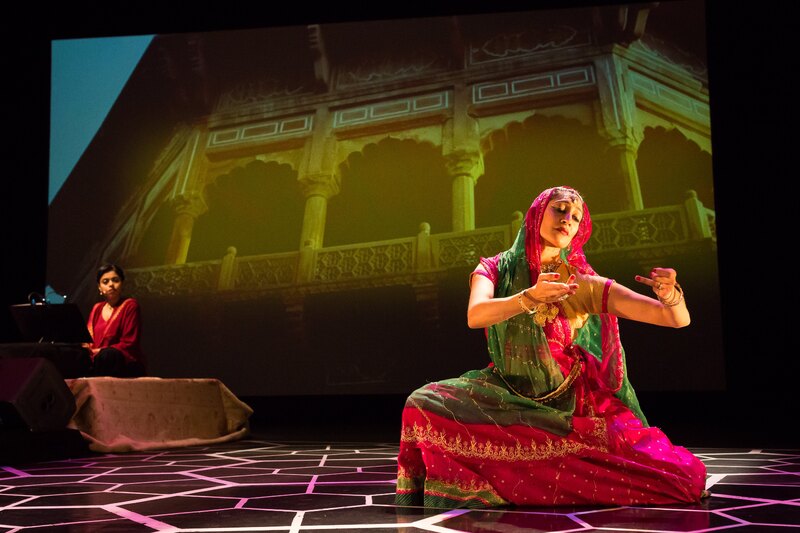
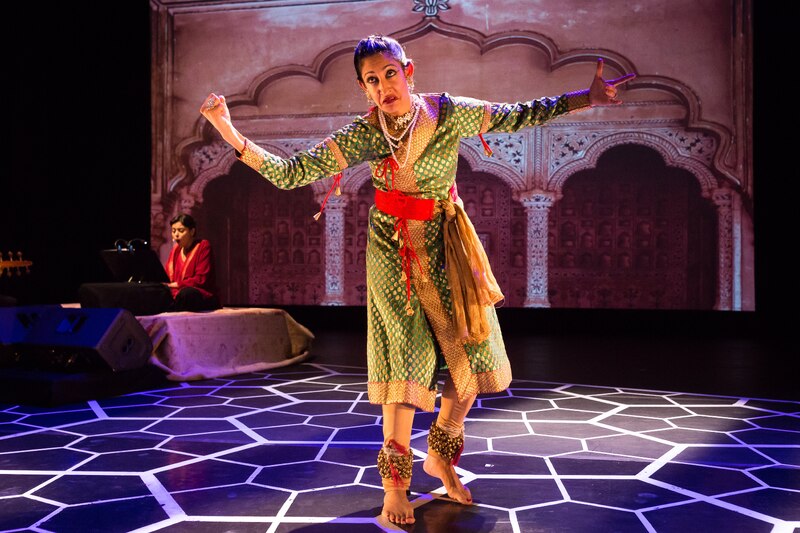
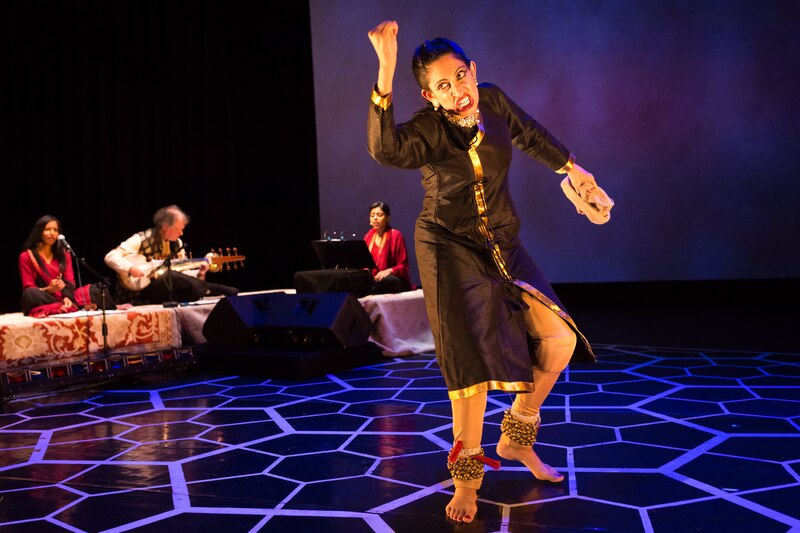
The Forgotten Empress is dynamic-dance drama based on the history and life of Empress Noor Jahan exploring the influence she had in 17th century Mughal India, and how she maintained her delicate power in a male dominated empire only to be almost forgotten in the latter years of her life and in death. Photo of Farah portraying Empress Noor Jahan in battle to save her husband, Emperor Jahangir.
The Forgotten Empress is dynamic-dance drama based on the history and life of Empress Noor Jahan exploring the influence she had in 17th century Mughal India, and how she maintained her delicate power in a male dominated empire only to be almost forgotten in the latter years of her life and in death. Photo of Farah portraying Empress Jagat Gosini, second wife to Emperor Jahangir.
The Forgotten Empress is dynamic-dance drama based on the history and life of Empress Noor Jahan exploring the influence she had in 17th century Mughal India, and how she maintained her delicate power in a male dominated empire only to be almost forgotten in the latter years of her life and in death. Photo of Farah portraying a drunk Prince Salim who is angry with his father (Emperor Akbar) and is plotting to poison him.
The Forgotten Empress is dynamic-dance drama based on the history and life of Empress Noor Jahan exploring the influence she had in 17th century Mughal India, and how she maintained her delicate power in a male dominated empire only to be almost forgotten in the latter years of her life and in death. Farah portrays an enraged Ali Quli (first husband to Mehrunissa (Empress Noor Jahan).
The Forgotten Empress is dynamic-dance drama based on the history and life of Empress Noor Jahan exploring the influence she had in 17th century Mughal India, and how she maintained her delicate power in a male dominated empire only to be almost forgotten in the latter years of her life and in death. Farah portrays a frightened Mehrunissa who has just witnessed her first husband being killed, and now fearing her own life and that of her daughter, Ladli.