God of our fathers, hear our earnest cry!
Our hope, our strength, our refuge is with Thee!
Confound our foes and make their legions fly!
Strengthen our hosts and give them victory!
Victory—victory—
Oh, God of Armies! give us victory!
Not for exemption from the toil and loss,
The pains, the woes, the horrors of the strife,
But that with strong hearts we may bear the cross,
And welcome death to save our nation's life:
Victory—victory—
Oh, God of Battles! give us victory!
For this no costliest gift would we withhold;
For this we count not dear our loved repose,
Our teeming harvests, and our gathered gold,
Our commerce fanned by every wind that blows.
Victory—victory—
God of our fathers! give us victory!
Sons, brothers, sires, our bravest and our best—
The dearest treasures love has sanctified—
These have gone forth at Liberty's behest,
And on her altars have augustly died!
Victory—victory—
God of our martyrs! give us victory!
God! have they poured their priceless blood in vain?
Shall treason triumph in our nation's fall?
Shall slavery weld once more her broken chain,
And o'er a prostrate land hold carnival?
Victory—victory—
Oh, God of Freedom! give us victory!
Nerve with new strength the patriot soldier's arm!
Fill with new zeal the hero-souls that stand,
Pillars of fire, to save from deadliest harm
Their children's birthright in this goodly land!
Victory—victory—
God of our heroes! give us victory!
For the sad millions of the groaning earth,
Helpless and crushed beneath oppression's rod,
For every hope that hallows home and hearth,
For heaven-born Liberty, the Child of God,
Victory—victory—
God of the nations! give us victory!
From war's red hell, involved in smoke and flame,
From up-piled altars of our noblest dead,
We cry to Thee! Oh, for thy glorious name,
Make bare Thine arm and smite our foes with dread!
Victory—victory—
Oh, God of battles! give us victory!

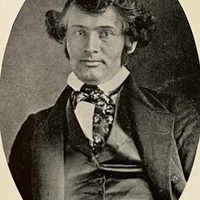 William Henry Burleigh
 John Greenleaf Whittier
 War - Abolished by Universal Peace