Where laugh the bright Antilles
Amid the Southern main,
Oppression long in pride had ruled
With bloody scourge and chain—
The negro, crushed beneath his hand,
Bent at his cheerless toil,
And poured his unavailing tears
Upon the thirsty soil
Curses and groans went upward
Continually to God,
And shrieks which vexed the quiet air
Where’er the tyrant trod—
The negro’s cup was dregged with tears,
And—darkest, dreariest fate—
His fetters clanked within his soul,
And made it desolate.
Year after year of bondage
The self-same story told
Of guilt, and woe, and severed hearts,
Mothers and children sold—
Hopes crushed, affections blighted, ties
The holiest, rent in twain,
And myriad victims flung upon
Thy bloody altar, Gain!
God saw it all!—the record
Was traced before His eye—
And in His own good time He sent
Deliverance from on high!
For the oppression of the poor
He rose, and shook the earth;
His hand unlocked the prison door
And led the captives forth.
Then swelled the choral anthem
Those sunny isles among—
The freedman shouted in his joy,
And songs were on his tongue—
Songs of thanksgiving—bursts of prayer,
On every hill were heard;
The vales were vocal, and the air
With melody was stirred!
Praise to Thy name, Jehovah!
Who hath deliverance wrought!—
We view the wonders of Thy power,
With reverential thought;
We cry to Thee in faith—oh Lord!
Stretch forth Thy helping hand,—
Break the strong fetters of the slave,
And spare our guilty land!

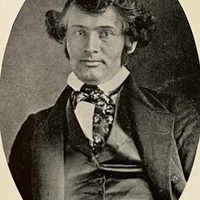 William Henry Burleigh