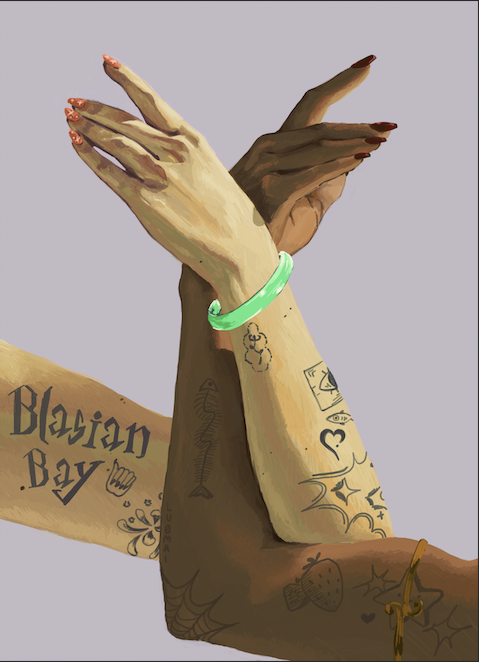
Femme Artists & Creatives
Femininity in the Bay Area is deeply entangled with the region's origins of colonial and economic violence. Since the Gold Rush, the state has weaponized Black and Asian women's sexuality, often placing them at opposite ends of a manufactured spectrum of respectability. While Asian women were frequently reduced to tropes of submissive or exoticized labor, Black women faced a different form of hyper-visibility rooted in the denial of their womanhood. This collection explores femme fugivity, the active process of fleeing restrictive roles and reclaiming the femininity gone wrong. As Black femme schoar Omise'eke Natasha Tinsely notes, this defiance is a feminity marked by mistakes that intentionally fail to conform to intersecting norms of patriarchal expectations, creating a shared site of resistance for queer, cis, and straight women alike.
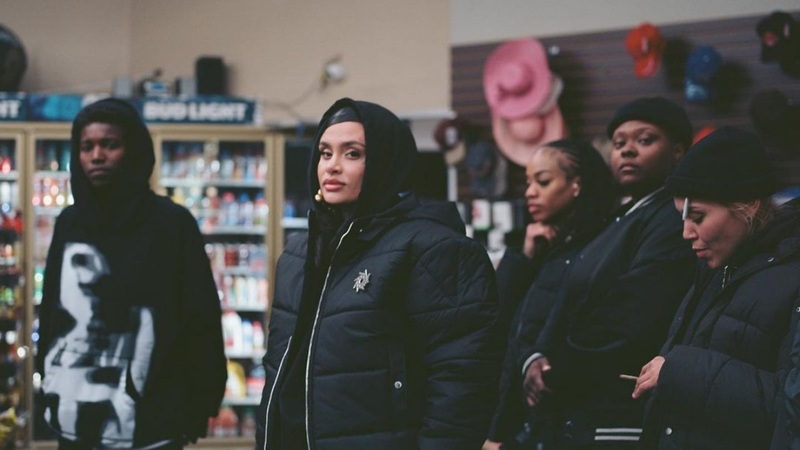
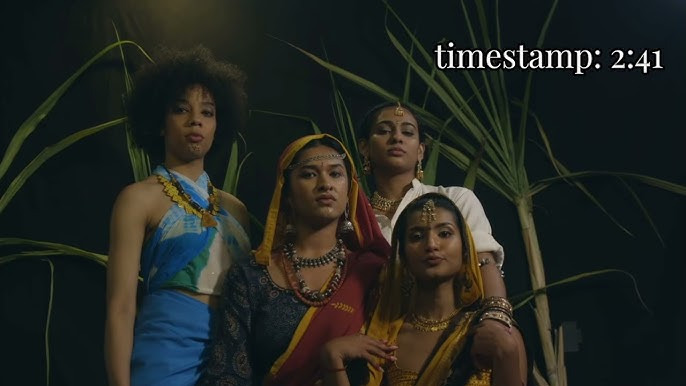
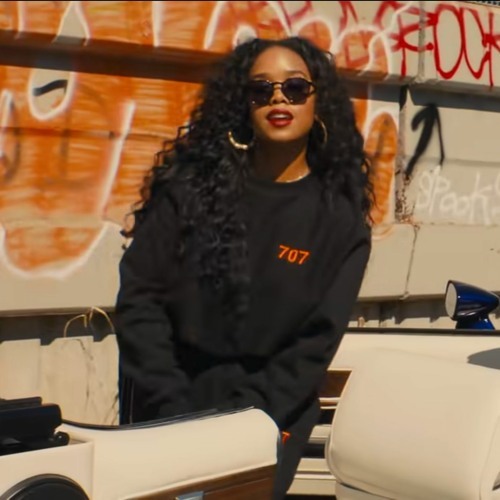
The items in this collection document how artists use their work to navigate these historical hostilities and build cross-racial solidarities. Through annotated music videos, the archive traces how Asian and Blasian femme artists such as Ruby Ibarra, Rocky Rivera, Thuy, and Saweetie align themselves with Blackness through the sonic and visual languages of Hip Hop and R&B. This alignment is a political choice rooted in a shared legacy of being brazen. These artists, alongside Bay Area figures like The Conscious Daughters, Kamaiyah, and Kehlani, reclaim derogatory labels to forge a defiant identity that refuses to be contained by the white gaze.
The creative lineage of the archive extends to visionary writers, designers, and multimedia artists who map the complexities of the femme experience. From the choreopoems of Ntozake Shange and the avant-garde designs of Kaisik Wong to the literary interventions of Jessica Hagedorn and the digital work of Alysia Liu, these creatives embody the spirit of the brazen hussy. By centering the work of Black, Asian, and Blasian femmes, the collection reveals how the failure to perform traditional femininity becomes a powerful tool for liberation. These spaces become territories of fugivity where femme identity is continuously reimagined and reclaimed.